Why 'Low-Maintenance' Is a Misleading Starting Point
Small pets are frequently marketed - and genuinely perceived - as an easier entry point into animal ownership. In some respects, that perception has a basis in reality: they require less physical space than dogs, produce less noise, and tend to cost less to acquire. But the label 'low-maintenance' glosses over a set of care demands that are specific, non-negotiable, and often surprising to first-time owners.
The challenge is not that small pets are difficult - it is that their needs are frequently misunderstood. A hamster in an undersized cage, a lone guinea pig without social contact, or a rabbit whose diet relies on seed mixes rather than hay will all experience welfare problems that are entirely avoidable. Understanding what you are actually signing up for is the most useful thing a prospective owner can do. For a structured starting point, the readiness checklist for small pet adoption is a practical resource worth working through before committing.
Not All Vets Treat Small Pets
Before acquiring a rabbit, bird, reptile, or exotic rodent, confirm that a qualified exotic-animal veterinarian is accessible in your area. General practice vets may decline to treat these species or may lack the specialized training to do so effectively. Locating a vet before you bring a pet home - rather than during a health emergency - is strongly recommended.
The Real Advantages of Keeping a Small Pet
The advantages of small pet ownership are genuine, and for the right household, they are compelling. Space constraints that rule out a dog or even a cat may not prevent someone from providing a good home for a rabbit or a pair of rats. If you live in a smaller apartment and have considered the relevant factors - including lease terms and neighbor impact - small animals can be a reasonable fit.
Suitable for smaller living spaces
Most small pets require a fraction of the floor space a dog needs. A well-sized cage or enclosure can fit comfortably in an apartment, making them practical for urban dwellers - though enclosure requirements are often larger than packaging suggests.
Generally lower noise impact
Compared to dogs, most small pets produce minimal noise that affects neighbors. This can matter significantly in multi-unit housing, though some birds and certain rodents are active and vocal at night.
Can form genuine bonds with owners
Rats, guinea pigs, rabbits, and parakeets are all capable of recognizing their owners and responding to interaction. Many owners report strong, rewarding relationships with small animals when they invest time consistently.
Typically lower upfront acquisition cost
The initial cost of many small pets is lower than purchasing a dog or cat from a breeder. However, this can be misleading if the cost of appropriate housing, bedding, and diet is not factored in from the start.
Can introduce children to responsible care
Small pets can be a meaningful way to teach children about routine responsibility and animal welfare, provided an adult remains the primary caregiver and the species chosen is temperamentally suited to handling.
Beyond logistics, the relational dimension of small pet ownership surprises many people. Species like rats and guinea pigs are capable of forming recognizable bonds with their owners. Parakeets, given consistent interaction and a properly enriched environment, can become highly engaged companions. See our guide on setting up a parakeet's environment for what that actually requires day-to-day.
The Honest Disadvantages You Should Weigh
The disadvantages of small pet ownership cluster around three areas: veterinary access, behavioral complexity, and the gap between perceived and actual cost. Each deserves serious consideration before acquisition.
Specialist veterinary care is often required
Rabbits, birds, reptiles, and many small rodents are classified as exotic animals - not all veterinarians treat them. Finding a qualified exotic vet and budgeting for their typically higher consultation fees is essential before acquiring these pets.
Social needs are frequently underestimated
Many species commonly kept as 'starter pets' - guinea pigs and gerbils among them - are social animals that suffer when housed alone. Meeting their behavioral needs requires either companionship of their own species or substantial daily human interaction.
Enclosure and enrichment requirements are demanding
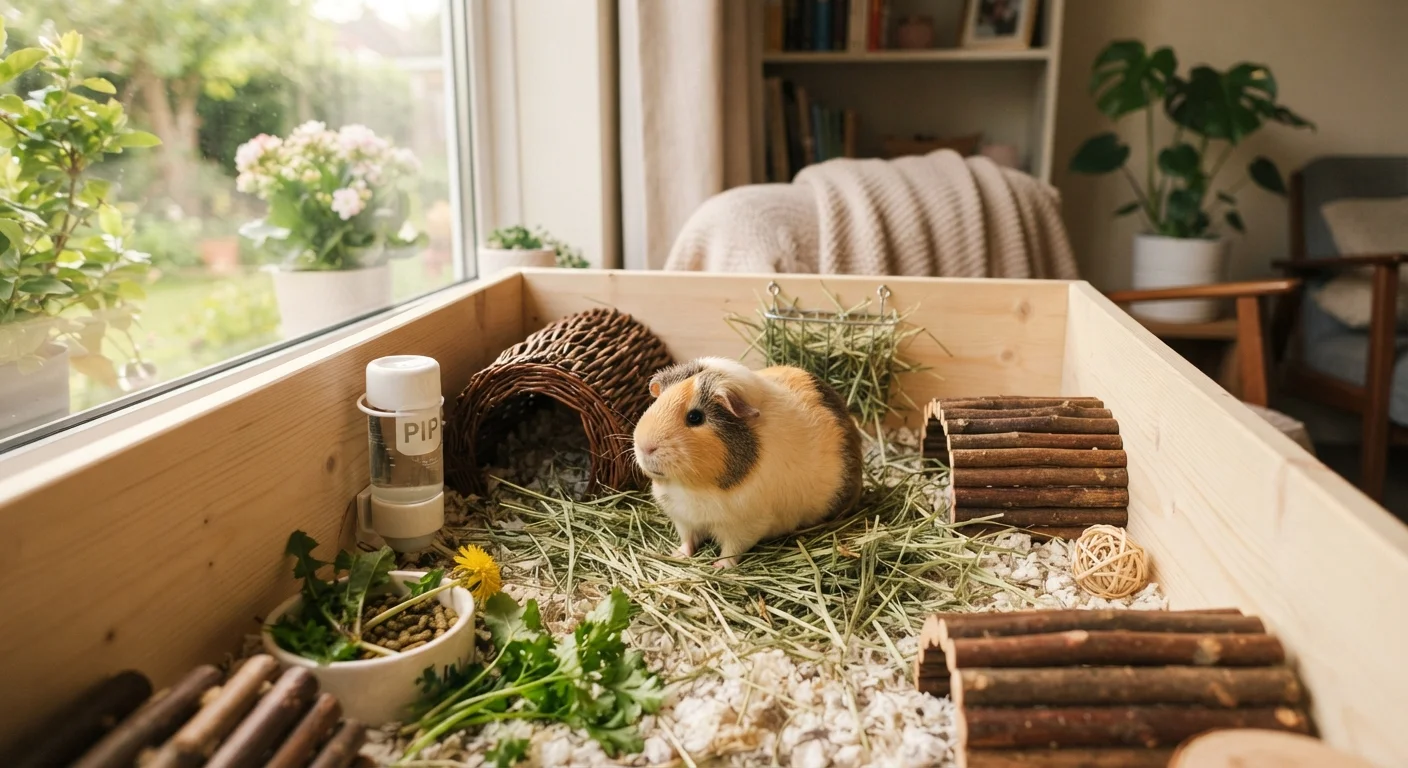
The cages sold in many retail stores are often undersized for the animals they are marketed for. Providing genuinely adequate space, appropriate substrate, hiding spots, and enrichment items requires research and investment beyond a basic setup.
Lifespan commitments vary and can be long
A rabbit may live 10-12 years; some parrots can live several decades. Prospective owners often underestimate the duration of care involved, which can lead to animals being surrendered when circumstances change.
Ongoing costs accumulate quickly
Bedding, species-appropriate food, hay, fresh vegetables, toys, and routine vet care create recurring monthly costs that can rival those of a cat. A single illness requiring exotic veterinary treatment can result in substantial unexpected expense.
Some species are nocturnal or crepuscular
Hamsters, for example, are most active at night - a biological pattern that does not always align with owners' expectations of interaction during daytime hours and may result in sleep disruption if housing is in a bedroom.
Veterinary care is the area most likely to catch new owners off guard. Not all vets treat exotic or small animals - and when they do, the costs are often comparable to or higher than treating a cat or dog. Our overview of exotic pet veterinary care in the US explains what to expect and how to prepare. Similarly, species differences matter enormously: hamsters and gerbils have very different needs despite appearing similar, and conflating them leads to poor welfare outcomes.
Making an Informed Decision
The most useful frame for prospective small pet owners is species-specificity: the tradeoffs of keeping a rabbit differ substantially from those of keeping a hamster, a parakeet, or a leopard gecko. General guidance only goes so far. Once you have identified a species you are seriously considering, researching its actual enclosure size requirements, dietary needs, social structure, lifespan, and veterinary care profile will give you a far more accurate picture of what ownership involves.
~6.7M
Small animal pets kept in US households
According to the American Pet Products Association's National Pet Owners Survey, millions of US households include small animals such as rabbits, hamsters, guinea pigs, and gerbils.
10-12 years
Typical rabbit lifespan with proper care
Veterinary sources including the House Rabbit Society indicate that domestic rabbits commonly live a decade or more, far exceeding many owners' initial expectations.
2+
Guinea pigs recommended per enclosure
Guinea pigs are social animals; animal welfare organizations and exotic vets generally recommend keeping at least two to prevent loneliness-related stress.
If you share your home with others - or rent rather than own - there are additional factors to work through. Our article on keeping a small pet in an apartment covers lease clauses, noise considerations, and neighbor dynamics in practical terms. For those considering a guinea pig specifically, common first-time guinea pig mistakes is worth reading before rather than after bringing one home.
This article provides general educational information about small pet ownership. It is not a substitute for guidance from a qualified exotic animal veterinarian or animal behavior professional. Care requirements vary by species - always consult a vet familiar with your specific animal before making decisions about their health or housing.