Why Grooming Tolerance Is a Trained Skill
Most dogs aren't born disliking grooming - they learn to resist it through uncomfortable or overwhelming early experiences. A dog who stiffens during brushing or scrambles away from the nail clippers isn't being stubborn; they're responding to a learned association. Understanding this reframes the whole task. Your job isn't just to get the grooming done - it's to change how your dog feels about the process.
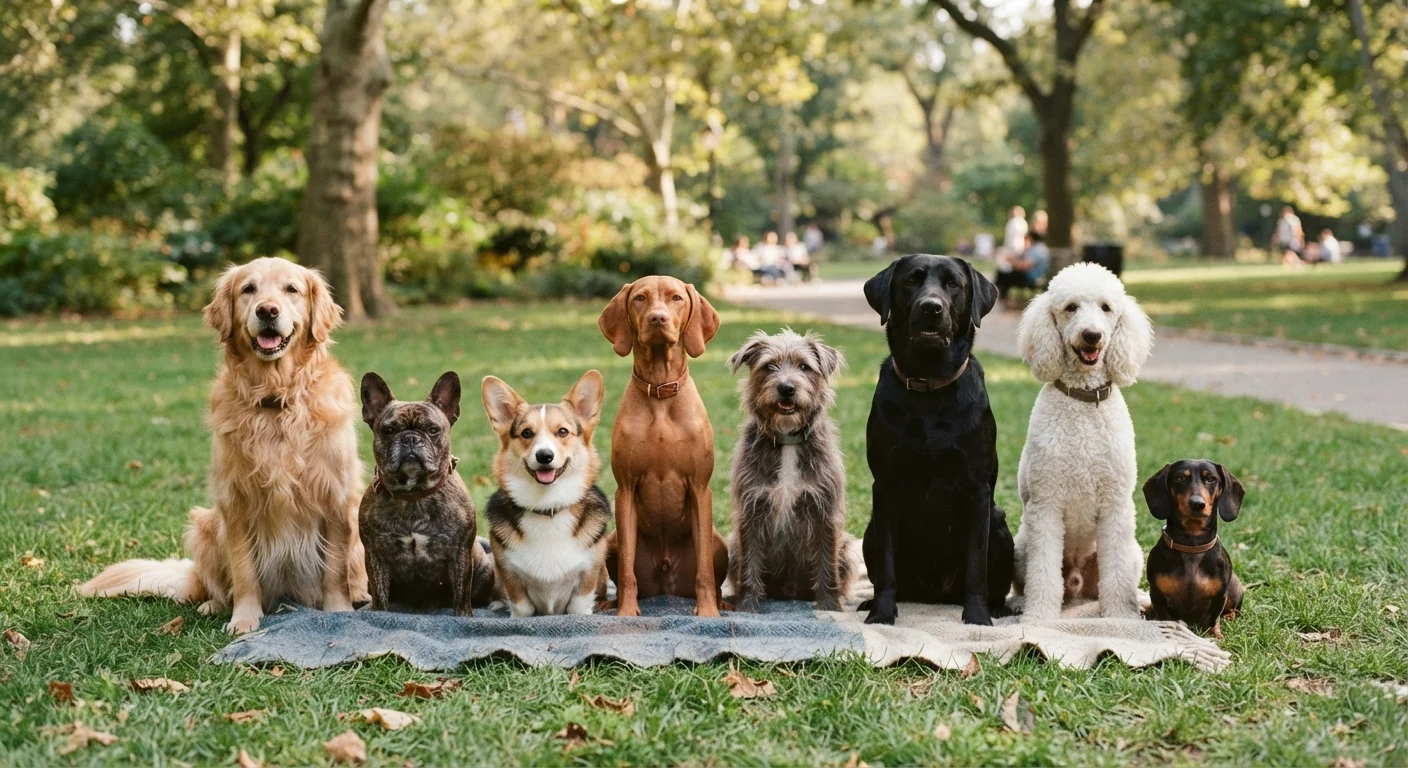
Breed-specific traits also shape how easily a dog accepts handling. Herding breeds tend to be touch-sensitive, while retrievers are often more physically tolerant. Knowing your dog's breed background helps set realistic expectations and informs how slowly you may need to move through the steps below.
Grooming isn't just cosmetic, either. Regular sessions give you a chance to notice changes in your dog's skin, coat, or body that might warrant a vet visit. This connects directly to the broader framework of preventive care - catching something early during a brush session can matter.
Slicker brush
Removes loose fur, tangles, and surface debris from medium to long coats.
Bristle or rubber brush
Works well for short-coated breeds to remove loose hair and stimulate the skin.
Dog nail clippers or grinder
Trims nails to a safe, comfortable length without cutting the quick.
Dog-safe ear cleaning solution
Gently loosens wax and debris inside the ear canal during routine cleaning.
Styptic powder
Quickly stops minor bleeding if a nail is accidentally clipped too short.
Detangling spray
Makes brushing longer or prone-to-mat coats significantly more comfortable for the dog.
Step-by-Step: Building the Routine
What you will need
Start with brief, low-stakes touch sessions
Before introducing any tools, spend several days simply handling your dog in ways that mimic grooming - running your fingers along their back, gently holding each paw, touching the ears and muzzle. Keep sessions under two minutes and follow every round of calm acceptance with a treat. This phase is especially important for dogs with handling sensitivity developed in adulthood.
Introduce the brush before using it
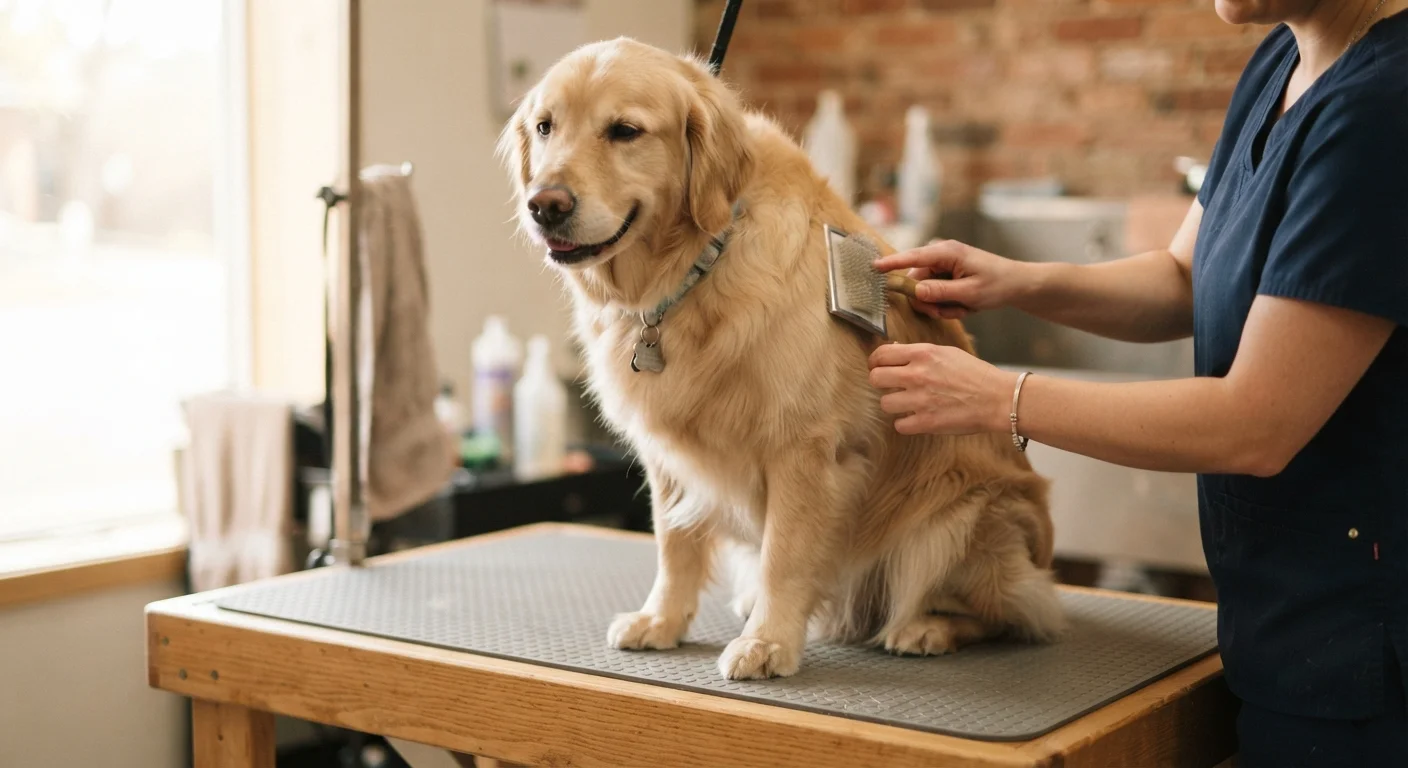
Let your dog sniff the brush, then touch it to their coat without stroking - just resting it gently. Over a few sessions, move to slow, short strokes on a low-sensitivity area like the back. Build up to longer strokes and more areas as tolerance grows. Coat type matters here: double-coated breeds like huskies or goldens need more frequent and thorough brushing than short-coated dogs like beagles or boxers.
Add nail trimming as a separate skill
Nail trims are one of the most stressful parts of grooming for many dogs. Treat this as its own training project. Start by touching each paw and nail, then progress to placing the clippers near a nail without trimming, and eventually clip one nail per session if needed. Trim only the tip - the translucent portion beyond the pink quick - to avoid pain and bleeding. On dogs with dark nails where the quick is invisible, trim small increments and watch for a grey or pink dot at the center of the cut surface, which signals you're close.
Practice ear cleaning deliberately
Healthy dog ears should be light pink, odor-free, and free of excessive dark wax. To clean, apply a dog-safe ear cleaning solution to a cotton ball (not a cotton swab) and gently wipe the visible inner-ear surface. Never insert anything into the ear canal. Floppy-eared breeds like cocker spaniels and basset hounds are prone to moisture buildup and infections, so more frequent checks may be warranted. If you notice odor, redness, head shaking, or discharge, consult your veterinarian before continuing home cleaning - these can indicate an underlying condition.
Establish a consistent schedule
Once your dog tolerates each task individually, combine them into a routine with a predictable structure. A brief brushing session two to three times per week suits most medium-coated dogs; heavy shedders or curly-coated dogs may need daily attention. Nail trims typically fall every three to four weeks depending on how quickly nails grow and how much pavement the dog walks on. Ear checks should be weekly for floppy-eared breeds, less often for upright-ear dogs. Consistency makes each session easier - dogs adapt faster when grooming happens on a predictable schedule rather than sporadically.
Short Sessions Outperform Long Ones
Five minutes of calm, rewarded grooming three times a week builds tolerance faster than a single 30-minute session your dog dreads. End every session before your dog reaches their limit - stopping while they're still relaxed is more valuable than finishing the task. Over weeks, you can gradually extend session length as comfort grows.
When to Bring In a Professional Groomer
Some tasks genuinely benefit from professional hands, especially early in your dog's grooming journey. A professional groomer can do a first nail trim on a resistant dog more efficiently than most owners can at home, and that positive or neutral experience can make subsequent home trims easier. For heavy-coated breeds prone to matting - like doodles, shih tzus, or poodle crosses - professional dematting or clips every six to eight weeks are often necessary alongside home maintenance.
If your dog shows intense fear responses - trembling, snapping, or trying to escape - during any grooming task, consider consulting a veterinary behaviorist or certified professional trainer before continuing. Forcing through extreme fear rarely resolves it and can damage your dog's trust. This is similar to the careful approach recommended when socializing adult dogs who have missed key early experiences.
Senior dogs may also have specific grooming considerations - arthritis can make certain positions uncomfortable, and coat changes are common with age. The unique needs of senior dogs are worth reviewing if your dog is entering their later years.
Avoid Restraint-Based Grooming Methods
Forcibly holding a fearful dog still during grooming - sometimes called 'flooding' - does not teach tolerance and typically worsens anxiety over time. If your dog is struggling significantly, the answer is slower desensitization, not more restraint. Consult a certified professional dog trainer (CPDT-KA) or a veterinary behaviorist for guidance if fear responses are severe.