When Does a Dog Become a Senior?
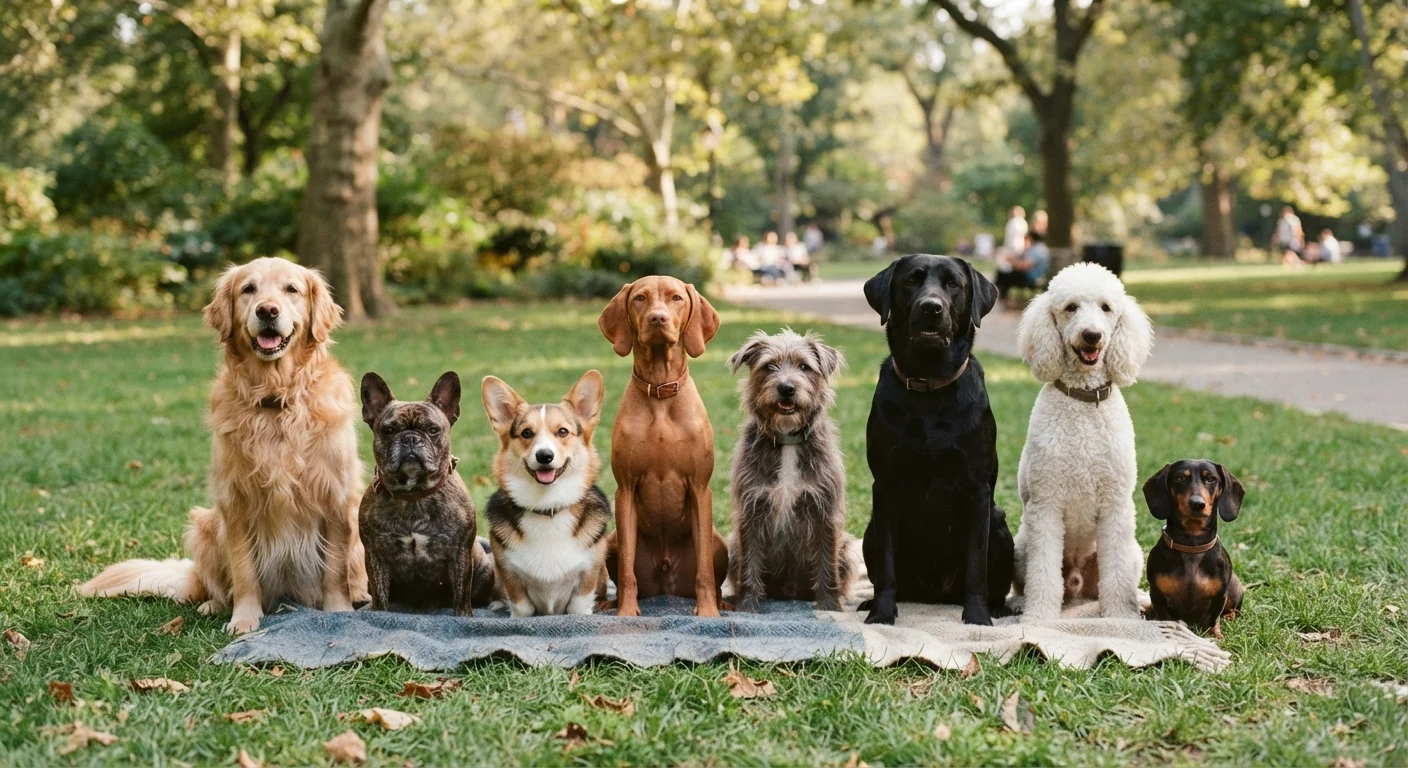
There is no single birthday that flips a dog into senior status. The transition depends heavily on size and breed. As a general guideline used by many veterinarians, large and giant breeds - think Great Danes, Bernese Mountain Dogs, and Mastiffs - are considered senior around age 5 to 7. Medium breeds typically cross that threshold around 8, while small breeds like Chihuahuas or Miniature Poodles may not be considered senior until 10 or 11.
This size-based difference reflects lifespan biology: larger dogs age faster at a cellular level and tend to have shorter overall lifespans. Breed-specific health predispositions also matter. A German Shepherd at 8 may show hip-related changes far earlier than a similarly aged Beagle. Knowing your dog's breed profile helps you anticipate - rather than react to - the changes ahead.
Use Your Vet's Size Chart as a Guide
Ask your veterinarian at your next annual exam which life stage category they place your dog in - this classification often drives screening recommendations. Many clinics use their own age-and-size charts that are more nuanced than general breed groups. Getting this framing right helps you time preventive care appropriately.
Nutritional Needs That Shift With Age
Senior dogs generally experience a slower metabolism, reduced activity level, and changes in organ function - all of which affect how they process food. Many older dogs benefit from diets lower in overall calories to prevent weight gain, but this does not mean reducing protein. Maintaining lean muscle mass becomes a priority, and high-quality, digestible protein supports that goal.
Certain nutrients take on added importance. Omega-3 fatty acids, found in fish oils, have been studied for their role in supporting joint health and cognitive function in aging dogs. Antioxidants such as vitamins E and C may help counter oxidative stress. Fiber intake can help manage the slower gut motility common in seniors. For dogs with developing kidney, heart, or liver concerns, dietary modification may be necessary - but those changes should always be guided by a veterinarian, not self-prescribed. For a broader look at how nutritional requirements evolve across life stages, see how nutritional needs shift through life.
20%+
Dogs affected by osteoarthritis
Veterinary estimates suggest arthritis affects over 20% of dogs above age one, with prevalence increasing substantially in senior populations.
~28%
Senior dogs showing signs of CCD
Research published in veterinary behavioral journals suggests cognitive dysfunction syndrome may affect roughly 28% of dogs aged 11-12.
2x/year
Recommended vet visits for seniors
Major veterinary organizations generally recommend bi-annual wellness exams for dogs once they reach senior age, compared to annual visits for younger dogs.
Mobility, Joint Health, and Exercise
Osteoarthritis is one of the most common conditions in senior dogs, affecting an estimated 20% of dogs over age one and increasing sharply with age. Joint stiffness, reluctance to climb stairs, difficulty rising from rest, and reduced willingness to jump are all common signs. Breeds with long spines (Dachshunds, Basset Hounds) or large frames (Labradors, Rottweilers) face elevated risk.
Exercise remains important - complete rest is rarely the answer - but the type and duration should adapt. Shorter, more frequent walks on softer surfaces are often better tolerated than long hikes. Swimming is a low-impact option that many dogs with joint pain can manage comfortably. Your veterinarian can advise on pain management approaches, which may include prescription medications, joint supplements, physical therapy, or therapeutic laser treatment. Never adjust or introduce any pain management strategy without veterinary guidance.
For dogs showing early stiffness, consider a short warm-up walk before any longer activity. Cold muscles and joints are more prone to injury in seniors.
Gradual warm-up is a well-established principle in canine rehabilitation medicine, helping increase synovial fluid circulation in stiff joints before peak exertion.
Keep a simple weekly log noting your senior dog's appetite, energy, sleep pattern, and any new behaviors. Patterns you record become invaluable data at vet appointments.
Veterinarians report that owner-observed behavioral histories often reveal early warning signs of conditions like CCD, hypothyroidism, and pain that wouldn't be apparent during a clinic exam alone.
Cognitive Changes and Canine Cognitive Dysfunction
Canine Cognitive Dysfunction (CCD) is a neurological condition in older dogs that shares features with Alzheimer's disease in humans. Signs include disorientation in familiar environments, disrupted sleep-wake cycles, changes in social interaction, house-training accidents, and reduced responsiveness to commands. It is estimated to affect a significant portion of dogs over age 11, though many cases go undiagnosed because owners attribute the signs to normal aging.
If you notice behavioral changes in your senior dog, documenting them and sharing that record with your vet is valuable. CCD cannot be reversed, but management strategies - including environmental enrichment, structured routines, and in some cases medication - can slow progression and support quality of life. Mental stimulation through gentle puzzle activities and consistent daily routines also appears to have a protective role. See how to read your dog's behavioral signals to better distinguish normal communication from signs of cognitive change.
Veterinary Care: What Changes and How Often
Once a dog enters their senior years, annual wellness exams are generally considered insufficient. Most veterinary guidelines recommend moving to bi-annual visits - every six months - because conditions common in older dogs can progress rapidly between yearly checkups. These visits typically include blood panels, urinalysis, blood pressure measurement, and dental assessment alongside a physical exam.
Routine bloodwork is particularly important for catching early-stage kidney disease, thyroid dysfunction (hypothyroidism is common in seniors), liver changes, and diabetes. Early detection meaningfully expands management options. Dental disease is also prevalent in senior dogs and can affect systemic health if left untreated. Keep an updated record of your dog's medications, supplements, and any behavioral changes to share at each appointment.
Don't Wait for Symptoms to Schedule Bloodwork
Many serious senior conditions - including early kidney disease and hypothyroidism - produce no obvious outward symptoms until they are moderately advanced. Routine bloodwork on a bi-annual schedule is one of the few ways to catch these issues while management options are still broad. Discuss a senior wellness panel with your veterinarian even if your dog appears perfectly healthy.
Home Environment Adjustments
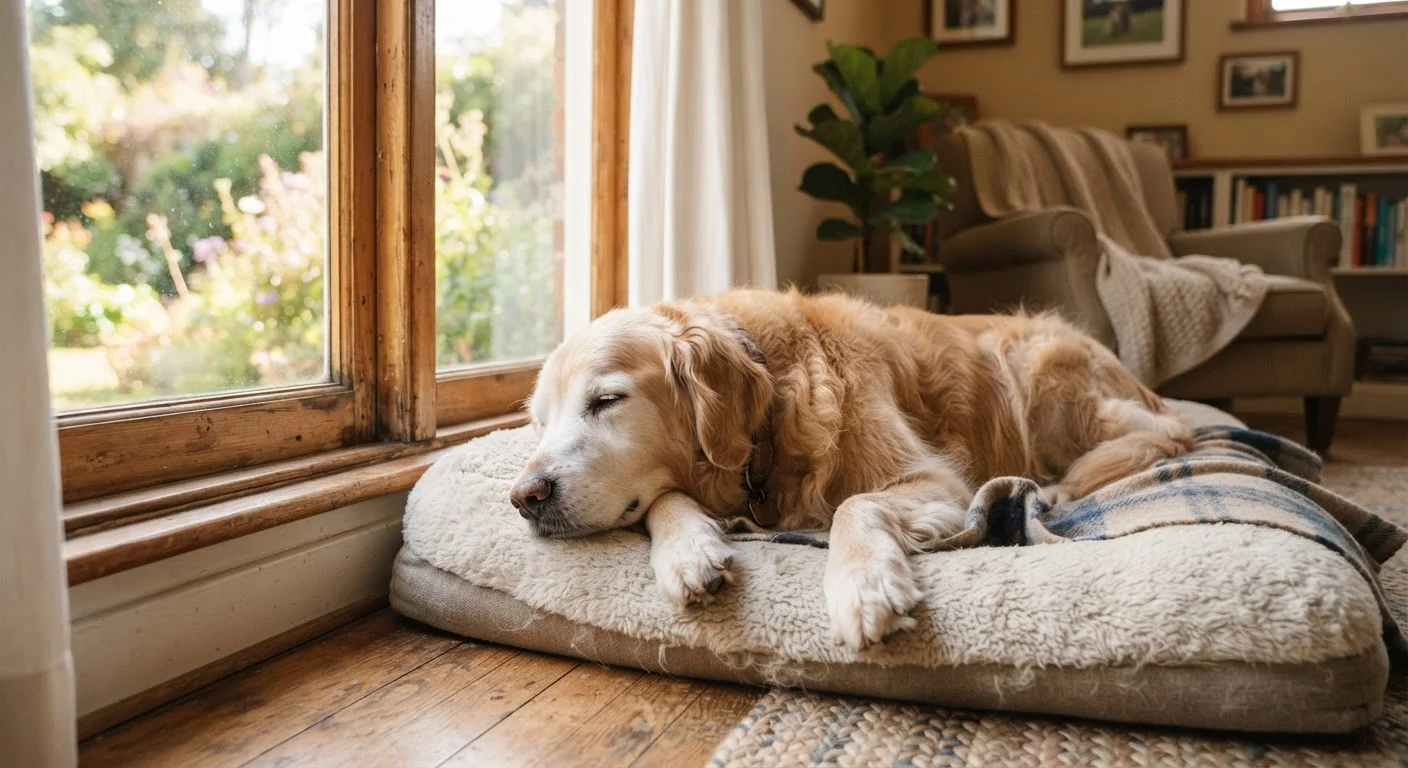
Aging dogs benefit from thoughtful changes to their living space. Orthopedic or memory foam beds reduce pressure on arthritic joints, particularly for dogs who sleep on hard floors. Ramps or low steps help dogs with reduced mobility access furniture or vehicles without jumping. Non-slip mats on hardwood or tile floors prevent slipping, which can be painful and even dangerous for a dog with weakened hindquarters.
Raised food and water bowls can ease neck and back strain, especially in large breeds. For dogs with vision changes - not uncommon in seniors - keeping furniture in consistent positions reduces disorientation. Night lights help dogs with reduced vision navigate in the dark, and maintaining a predictable daily schedule reduces anxiety in dogs experiencing cognitive changes. Senior cat care involves similar environmental thinking; how senior cats' needs shift offers a useful parallel perspective.
Recognizing Pain and Quality-of-Life Signals
Dogs are instinctively inclined to mask pain, a behavioral trait rooted in their evolutionary history. This means owners must look beyond obvious limping or vocalizing. Subtle signs of pain include withdrawal from social interaction, changes in facial expression (a tense brow, flattened ears), reduced grooming, changes in posture, increased panting without heat or exercise, and irritability when touched in certain areas.
Quality-of-life assessment is something veterinarians can help guide, particularly as a dog's condition changes over time. Several structured frameworks exist to help owners evaluate factors like pain, appetite, hygiene, and emotional engagement - your veterinarian can walk you through those tools. Proactive observation, honest record-keeping, and open conversations with your vet are the most important things an owner can do to advocate for a senior dog's comfort and dignity.
This article is for general informational purposes only and is not a substitute for professional veterinary advice. Always consult a licensed veterinarian for guidance specific to your dog's health, breed, and individual circumstances.