What 'Senior' Actually Means for Cats
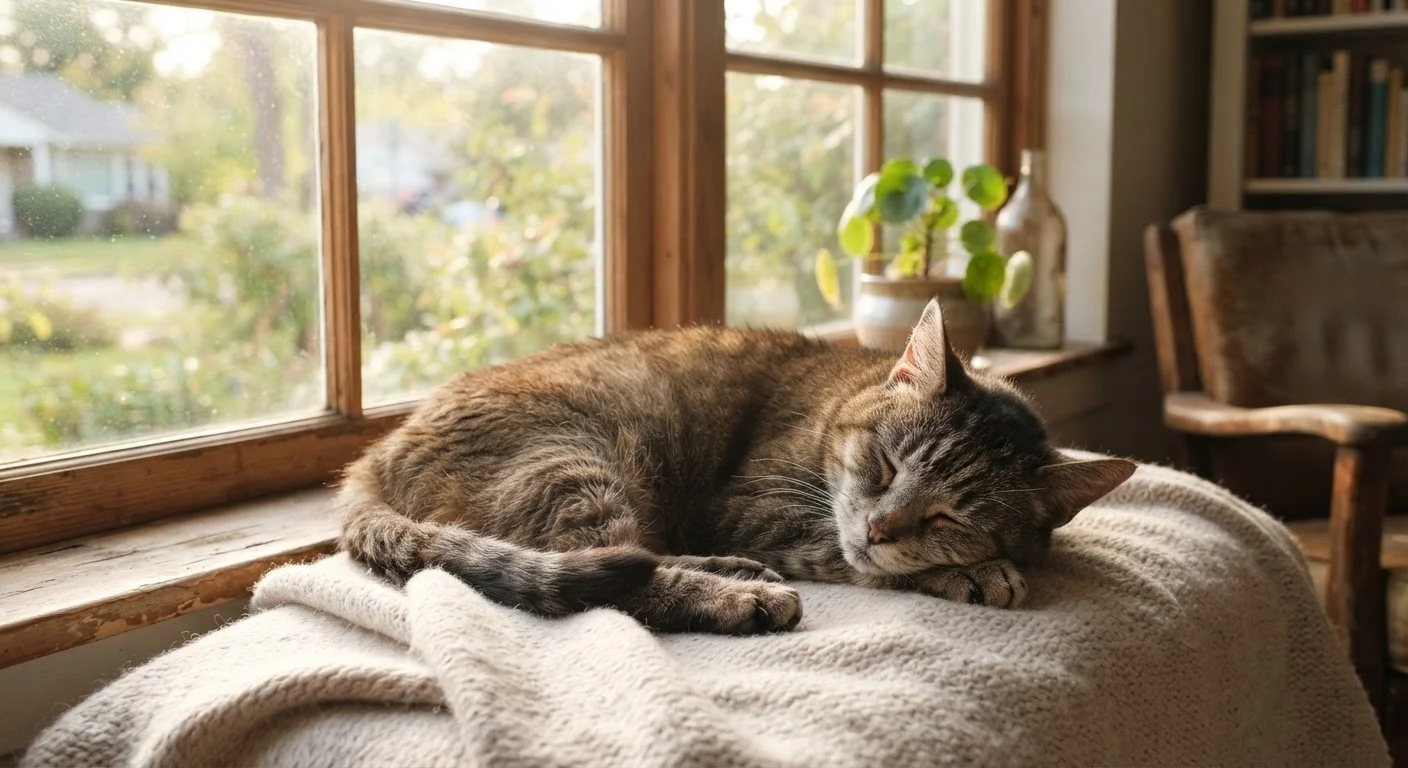
Veterinary consensus generally classifies cats as senior from around age ten, with those reaching fourteen or older often described as geriatric. These aren't arbitrary labels - they correspond to measurable shifts in organ function, immune response, and metabolic rate that begin accumulating in the second decade of life.
A ten-year-old cat is roughly equivalent to a human in their mid-fifties. By fifteen, that equivalency stretches closer to seventy-five. The analogy isn't perfect, but it underscores why the care approach that worked at age four may no longer be adequate.
It's worth noting that indoor cats typically live longer than outdoor cats, and individual variation is significant. A well-cared-for twelve-year-old may look and act younger than her age suggests, while another cat the same age may show clear signs of slowing. Genetics, breed, prior health history, and lifelong nutrition all contribute. If you're weighing how life stage shapes pet care in broader terms, the transition from kitten to adult cat is a useful reference point for understanding how needs evolve across the full lifespan.
Common Health Changes to Monitor
Several conditions cluster disproportionately in cats over ten. Being aware of them helps owners notice early warning signs before symptoms become severe.
Five Conditions Disproportionately Affecting Cats Over Ten
Chronic kidney disease, hyperthyroidism, osteoarthritis, dental disease, and hypertension account for a large share of senior cat diagnoses. None can be reliably identified by observation alone - blood panels, urinalysis, blood pressure measurement, and physical examination by a veterinarian are required for accurate diagnosis. Early detection meaningfully expands treatment options for all five.
- Chronic kidney disease (CKD) - One of the most prevalent conditions in older cats. Early signs include increased water intake, more frequent urination, and gradual weight loss. CKD is typically manageable when caught early through bloodwork.
- Hyperthyroidism - An overactive thyroid gland is extremely common in cats over ten. Symptoms often include weight loss despite increased appetite, restlessness, and a noticeably rapid heartbeat. It is generally treatable once diagnosed.
- Osteoarthritis - Frequently underdiagnosed in cats because they rarely limp the way dogs do. Instead, arthritic cats tend to stop jumping, groom less thoroughly, or become irritable when touched along the spine or hips.
- Dental disease - Accumulated tartar, tooth resorption, and gum inflammation are nearly universal in senior cats and can cause significant pain that owners often miss because cats rarely stop eating entirely.
- Hypertension - Often secondary to kidney disease or hyperthyroidism, high blood pressure can damage the eyes, heart, and brain. Sudden blindness in an older cat warrants immediate veterinary attention.
None of these conditions should be assumed from symptoms alone. Diagnosis requires examination and appropriate testing by a veterinarian.
Nutritional Needs in the Senior Years
Aging changes how cats process and utilize nutrients in several interconnected ways. Digestive efficiency tends to decline, meaning a senior cat may absorb protein and fat less effectively than a younger animal - even when eating the same food. At the same time, muscle mass naturally decreases with age (a process called sarcopenia), making high-quality protein particularly important to help slow that loss.
Hydration becomes a pressing concern. Older cats are more vulnerable to dehydration, especially those with kidney disease or diabetes. Many veterinarians recommend incorporating wet food into the diet of senior cats for this reason. The trade-offs between wet and dry feeding formats are worth reviewing when reassessing your cat's diet. For a broader look at how nutritional priorities shift across life stages, the general principles of life-stage nutrition offer useful context.
Ask your veterinarian to score your senior cat's body condition and muscle condition separately at each visit - muscle loss can be masked by normal or even elevated body weight.
Sarcopenia (age-related muscle loss) is an independent health concern in senior cats and can be missed when weight alone is used as the indicator of nutritional status.
Keep a simple monthly log of your cat's weight at home using a kitchen scale - a loss of more than half a pound over a few weeks warrants a call to your vet.
Weight loss in cats often precedes other visible symptoms of illness by weeks or months; early detection through routine home monitoring can make a meaningful clinical difference.
Weight changes in either direction - gain or loss - deserve attention. Some senior cats lose weight as metabolism shifts; others gain weight due to reduced activity. Neither should be dismissed as inevitable aging. Consult your veterinarian before making significant dietary changes, particularly if a health condition has been diagnosed.
Environmental Adjustments That Make a Difference
A cat who navigated your home effortlessly at five may find the same environment increasingly difficult at eleven. Arthritis, reduced vision, and diminished strength all interact with the physical layout of a home in practical ways.
- Litter box access - High-sided boxes become barriers for arthritic cats. Lower-entry boxes, or a ramp at the entrance, reduce the effort required and decrease the likelihood of elimination outside the box.
- Resting locations - Senior cats still want elevated spots, but reaching them is harder. Cat steps or ramps to furniture allow them to maintain their preferred perches without painful leaps.
- Warmth - Older cats often seek heat more actively. Providing a warm, padded resting area away from drafts supports comfort, particularly for cats with joint pain.
- Food and water placement - Bowls on the floor may be uncomfortable for cats with neck or spine stiffness. Slightly raised dishes can make eating and drinking less physically demanding.
For cats sharing a household with younger, more active cats, ensuring the senior cat has quiet access to resources without competition is important. The dynamics of multi-cat households become especially relevant when one cat's mobility or confidence is declining.
Behavioral Changes and What They Signal
Behavioral shifts in older cats are often dismissed as personality quirks or inevitable aging. In practice, they frequently point to an underlying physical cause worth investigating.
Increased vocalization, particularly at night, is one of the more common complaints from owners of cats over twelve. It can indicate cognitive dysfunction syndrome (sometimes described as feline dementia), hyperthyroidism, pain, or hypertension-related vision loss that leaves the cat disoriented in low light.
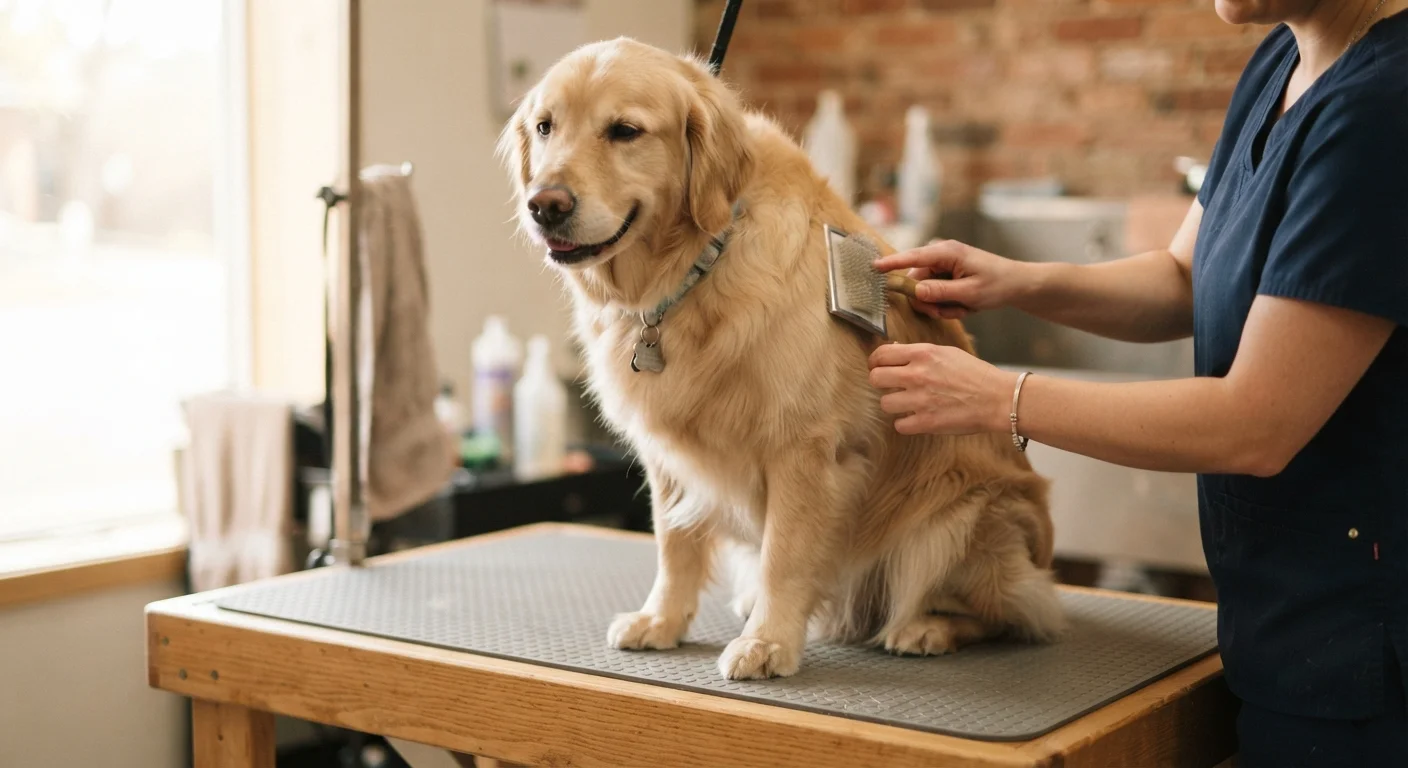
Changes in grooming are another reliable signal. A cat who over-grooms a specific area may be responding to localized pain. One who stops grooming altogether - especially on the lower back and hindquarters - often has arthritis that makes the posture required for grooming uncomfortable. Helping with home grooming becomes more relevant as a cat's self-care capacity declines.
Reduced interaction, altered sleep patterns, increased hiding, and changes in litter box habits can all reflect physical discomfort or early cognitive changes. The key is to treat new behavioral changes as information rather than simply as aging, and to bring them to your veterinarian's attention.
Veterinary Care: Why Frequency Matters More Now
For most of a cat's adult life, an annual wellness visit is generally considered appropriate. Once a cat reaches ten, most veterinary professionals recommend shifting to twice-yearly examinations. The reasoning is straightforward: conditions like CKD, hyperthyroidism, and hypertension can progress meaningfully over the course of six months, and early detection creates more treatment options.
A standard senior wellness exam typically includes physical examination, blood panel, urinalysis, thyroid level testing, and blood pressure measurement. These give a baseline against which future changes can be compared - which is why consistency with the same practice over time has real value.
Don't Wait for Obvious Symptoms
Many of the most common senior cat conditions - including kidney disease and hyperthyroidism - are well advanced by the time behavioral or appetite changes become obvious. Cats are behaviorally predisposed to conceal vulnerability, which means the absence of dramatic symptoms is not reassurance of good health. Routine diagnostics catch what observation alone cannot.
It's also worth discussing pain assessment with your veterinarian directly. Cats are physiologically inclined to mask discomfort, and many live with undertreated chronic pain that goes unrecognized. Proactively raising the question - rather than waiting for obvious signs - tends to produce better outcomes.
This article provides general information about feline aging and is not a substitute for professional veterinary advice. Always consult a licensed veterinarian for guidance specific to your cat's health and circumstances.