Why Breed History Matters at Home
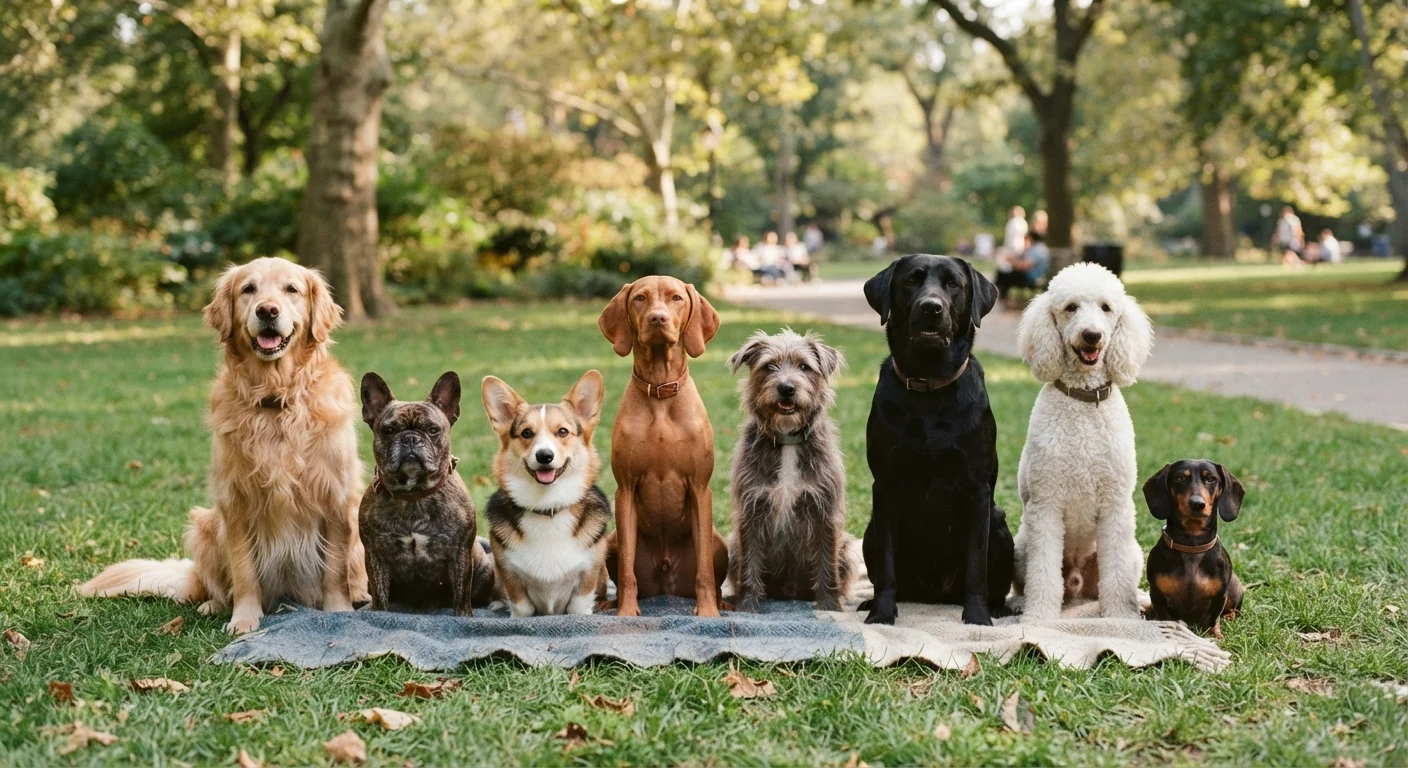
When a Siberian Husky ignores your recall command or a Border Collie starts herding your toddler, it can feel like a training failure. More often, it's breed history in action. Dogs were selectively bred over generations for specific tasks - and those functional traits don't disappear when a dog moves into a suburban home.
Understanding what your dog was originally bred to do gives you a practical lens for interpreting everyday behavior. It won't excuse every challenge, but it reframes the conversation: instead of asking "why is my dog like this?" you can ask "what does this dog need from me?" That shift leads to better-matched management strategies and more realistic expectations.
Reading your dog's body language alongside breed context gives you a much fuller picture of what's driving a given moment of behavior.
| Number of AKC-recognized breeds | Over 200 (American Kennel Club) |
| Primary trait driver | Selective breeding purpose (e.g., herding, hunting, guarding) |
| Highest-energy breed category | Herding and sporting groups |
| Most scent-oriented breeds | Scenthounds (Beagles, Bloodhounds, Basset Hounds) |
| Independence level varies by | Original working role - guardian and primitive breeds tend to rank higher |
Common Trait Categories and What They Look Like Day to Day
Breed traits cluster into a handful of functional categories. Each one produces recognizable patterns at home - some charming, some challenging, most simply requiring thoughtful management.
Herding Drive
Breeds like Australian Shepherds, Border Collies, and Corgis retain strong impulses to gather and control movement. This may appear as nipping at heels, circling children or other pets, intense eye contact, or compulsive chasing of bikes and joggers. These dogs typically need structured mental work - not just physical exercise - to feel settled.
Prey Drive
Terriers, sighthounds, and many sporting breeds carry elevated prey drive: the instinct to chase, catch, or investigate fast-moving creatures. High prey drive can complicate off-leash reliability and coexistence with cats or small animals. It doesn't indicate aggression, but it does require consistent management. Reinforcement-based training can build reliable impulse control over time.
Guardian and Watchdog Tendencies
Breeds developed to protect livestock or property - including Rottweilers, Akitas, and many livestock guardian dogs - may be naturally aloof with strangers, territorial, or prone to alert barking. These traits served a purpose; today they need clear socialization plans and consistent boundaries from early puppyhood.
Scent Orientation
Hounds bred to follow trails (Beagles, Bloodhounds, Basset Hounds) are nose-first dogs. A compelling scent can override all other input, making recall genuinely difficult. Enrichment activities like sniff walks and scent games channel this drive productively rather than fighting it.
Independence vs. Biddability
"Biddability" refers to a dog's inclination to take direction from humans. Sporting breeds and herding dogs tend to be highly biddable - they look to their person for cues. Many primitive breeds (Basenjis, Chow Chows, Afghan Hounds) and working dogs bred to make independent decisions may be less responsive to commands by nature, not stubbornness. Crate training decisions are often influenced by this trait.
Prey Drive
An innate behavioral sequence - alert, stalk, chase, grab - rooted in predatory instinct. Varies widely by breed and individual; does not automatically predict aggression toward people.
Biddability
A dog's natural inclination to take direction from and work cooperatively with humans. Highly biddable breeds tend to respond readily to training cues; lower-biddability breeds often prefer to problem-solve independently.
Herding Drive
The instinct to gather, control, or direct the movement of other animals or people. Common in collie-type and shepherd breeds; often surfaces as nipping, circling, or intense staring at moving targets.
Selective Breeding
The deliberate process of breeding dogs over generations to amplify specific physical traits or behavioral tendencies useful for a particular job, such as retrieving, guarding, or scent tracking.
Guardian Breed
A breed developed to protect property, livestock, or people. Typically characterized by natural wariness of strangers, territorial awareness, and a tendency toward independent decision-making.
Breed Traits and Separation Behavior
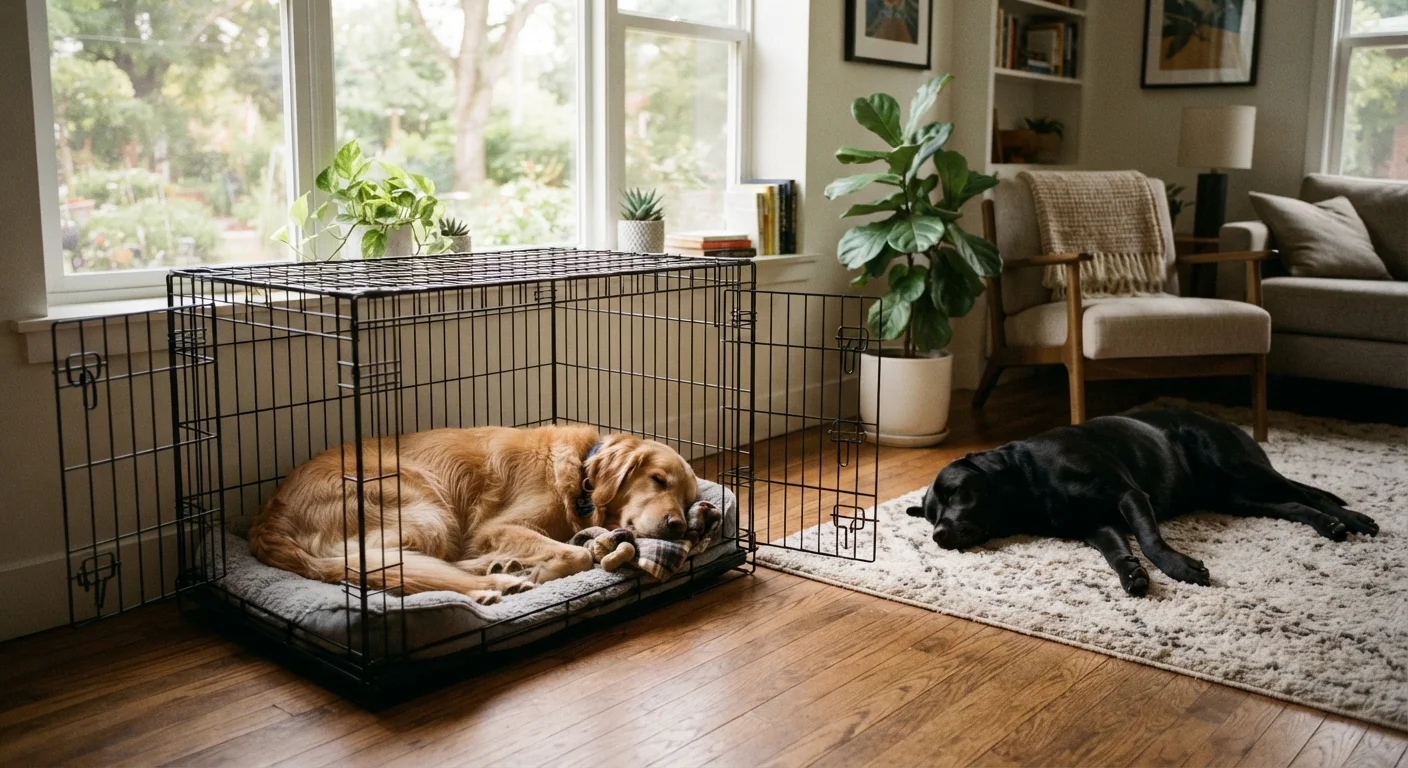
Some of the most common household complaints - destructive chewing, excessive vocalization, restlessness when left alone - have roots in breed design. Velcro breeds developed for close human companionship (Vizslas, Weimaraners, many toy breeds) can experience genuine distress when separated from their owners. What looks like acting out is often anxiety. Separation anxiety in dogs can look different depending on breed temperament, and it's worth understanding the distinction before defaulting to punishment-based corrections.
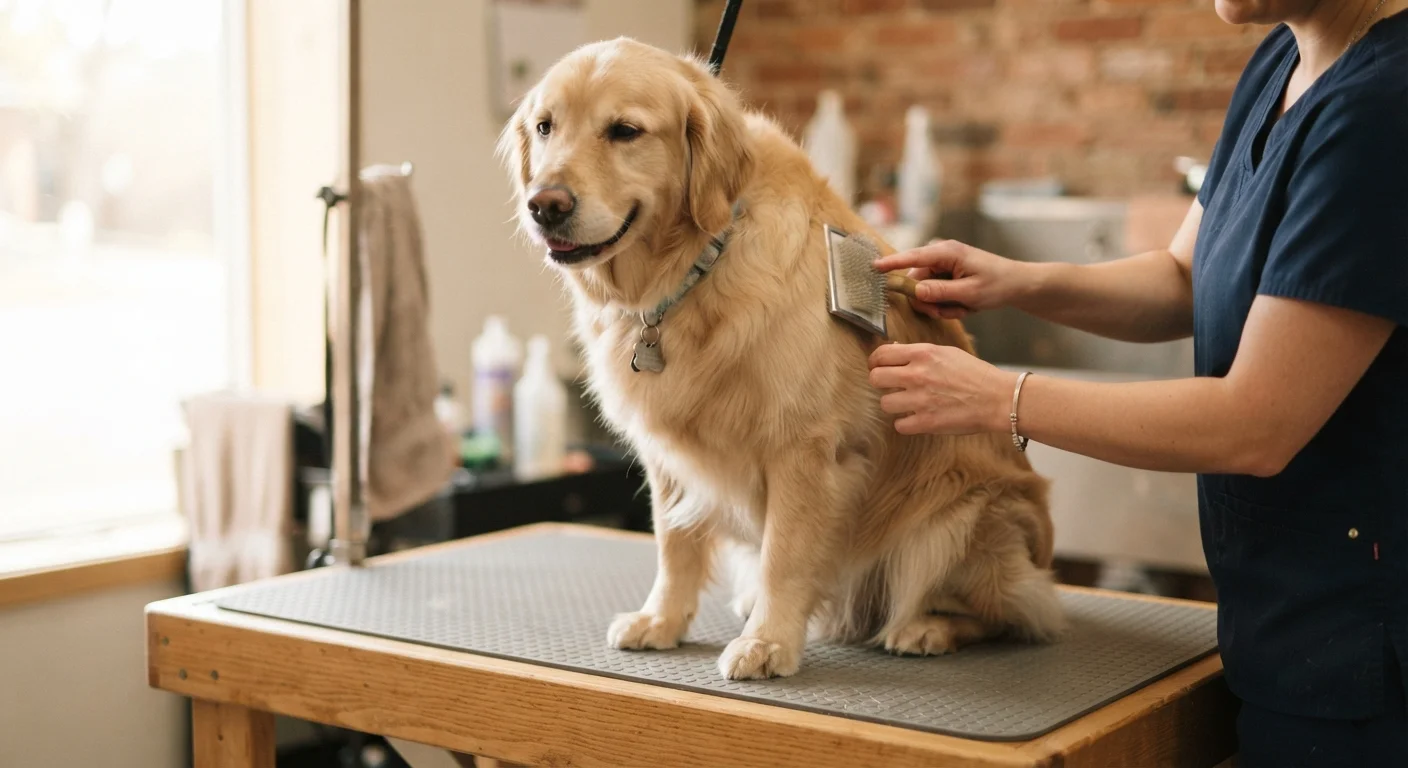
Breed traits also interact with grooming tolerance. High-energy working dogs may be less patient with prolonged handling; building calm association early matters. See our guide to building a grooming routine for practical approaches regardless of breed.
This article is for general informational purposes. For behavioral concerns that significantly impact your dog's quality of life, consult a certified veterinary behaviorist or credentialed professional trainer.