Why Reinforcement-Based Training Has Earned Broad Expert Support
Reinforcement-based training - often called positive reinforcement or reward-based training - has become the approach most widely endorsed by veterinary behaviorists, certified professional dog trainers, and organizations like the American Veterinary Society of Animal Behavior. The core idea is straightforward: behaviors that produce good outcomes for the dog are more likely to be repeated.
But that simplicity is deceptive. In practice, many owners apply the concept loosely, rewarding behaviors inconsistently, using the wrong reinforcers for their dog, or mistiming delivery. The result is confusion rather than learning. Understanding why reinforcement works - and the conditions under which it fails - is what separates effective training from frustrated repetition.
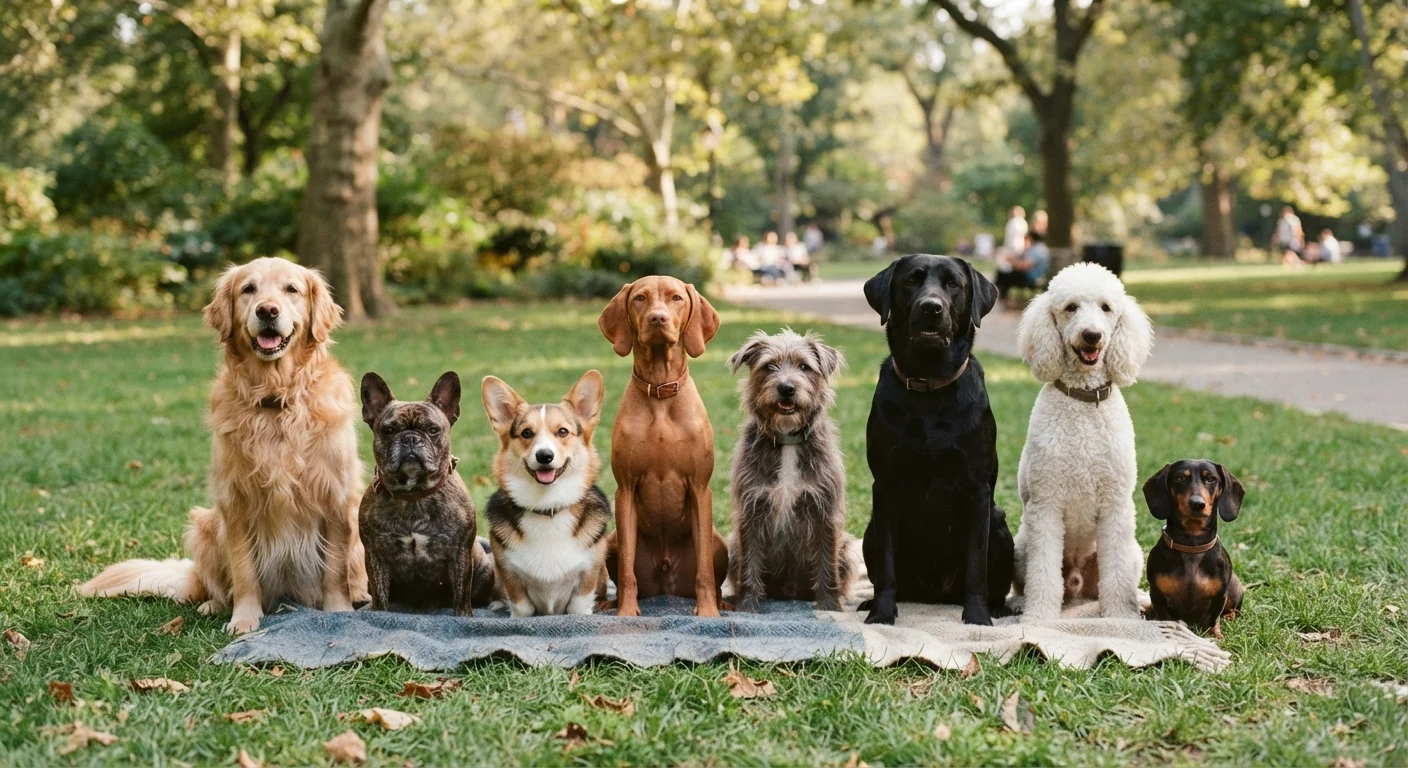
For a deeper look at how breed background influences training receptiveness, see breed-specific behavioral traits that shape how individual dogs learn and respond.
The Core Practices That Make Reinforcement Work
Applying reinforcement well requires more than a pocket full of treats. The following practices reflect what behavioral research and professional trainers consistently identify as foundational.
Deliver rewards within one to two seconds of the desired behavior.
Dogs associate consequences with the most recent behavior at the moment the reward arrives. A delay of even three to four seconds can cause the dog to learn the wrong thing entirely. Precise timing is the single most leveraged variable in the training equation.
Identify what actually motivates your specific dog, not just what's convenient.
A reinforcer is only effective if the dog finds it valuable. High-energy working breeds may respond better to play and tug than to food, while food-motivated breeds like Labrador Retrievers often train fastest with high-value treats. Using a weak reinforcer leads to weak results.
Maintain consistency across every person and environment the dog encounters.
Dogs don't generalize rules automatically - they learn context. If one family member allows jumping and another corrects it, the dog learns to jump selectively rather than not at all. Household-wide alignment on cues, rewards, and rules is essential.
Keep training sessions short and end on a successful repetition.
Dogs - especially puppies and adolescents - have limited working memory and can become fatigued or frustrated in long sessions. Short, frequent sessions (three to five minutes, multiple times daily) produce better retention than one long weekly effort. Ending on success builds positive associations with the training process itself.
Transition deliberately from continuous to variable reinforcement as behaviors become reliable.
Continuous reinforcement (every correct response gets a reward) is ideal for teaching new behaviors. Once a behavior is established, shifting to variable rewards - where the dog doesn't know which repetition will produce a treat - actually strengthens the behavior and prevents the dog from performing only when food is visible.
Common Misapplications and How to Avoid Them
Even well-intentioned owners regularly undermine their own training. One of the most frequent errors is accidental reinforcement - giving attention (including scolding) to an unwanted behavior like jumping or barking. From the dog's perspective, any attention can function as a reward, especially for social breeds.
Another common mistake is reward dependency: the dog only performs a behavior when a treat is visible. This usually results from never transitioning to a variable reinforcement schedule, where rewards become less predictable but more meaningful. Phasing treats out gradually - while keeping praise and life rewards (like access to a walk or a toy) in rotation - maintains behavior without requiring constant food delivery.
Use a Consistent Marker Signal
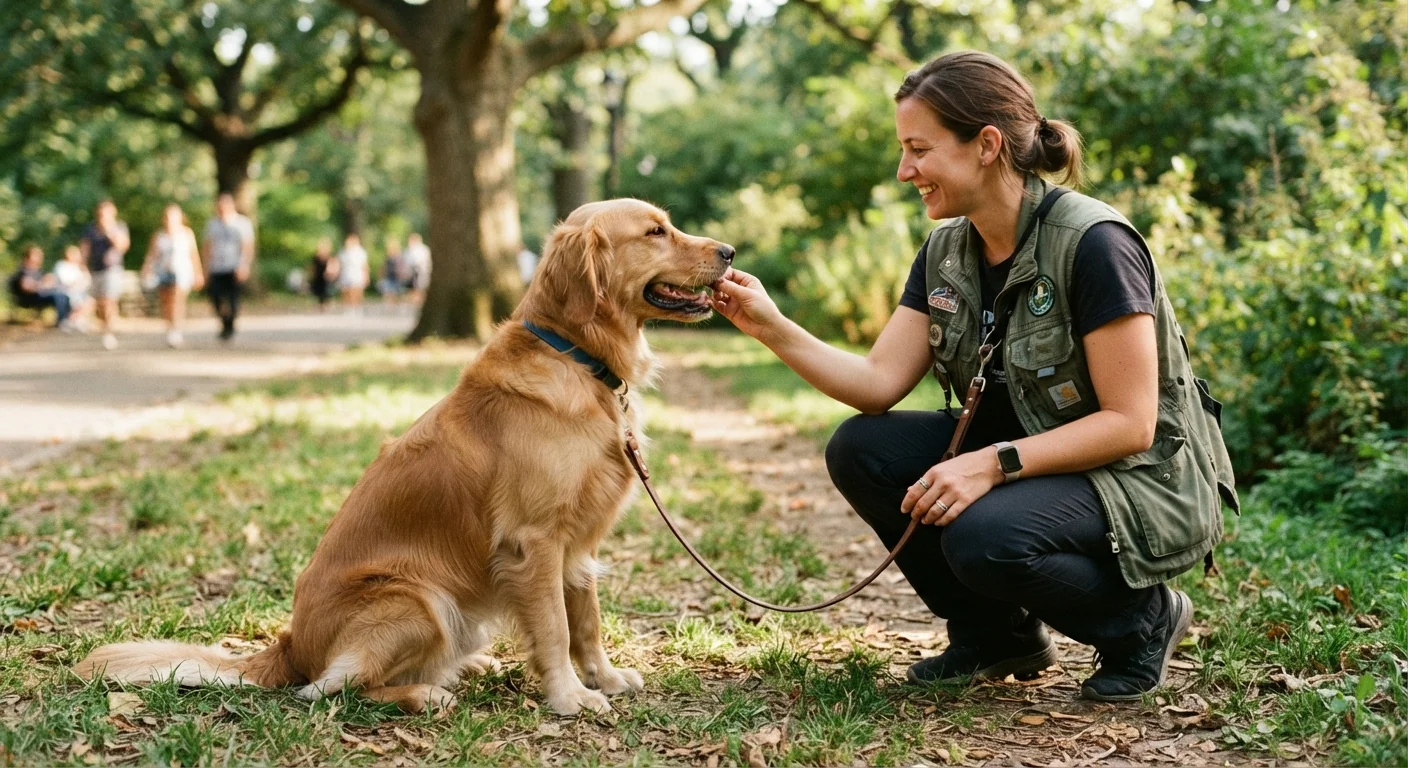
A marker - either a clicker or a consistent verbal cue like 'yes' - acts as a precise communication bridge between the behavior and the reward. Because it always predicts a reward, it becomes deeply meaningful to the dog over time. Using the marker consistently, and only at the exact moment of the correct behavior, dramatically sharpens your timing and your dog's understanding.
Finally, owners often underestimate the importance of environment and context. A dog that sits reliably in the kitchen may not generalize that behavior to a busy park. Training in progressively more distracting settings - a concept known as proofing - is essential for real-world reliability.
Putting It Into Practice: Where to Start
For owners just beginning or resetting their approach, a few targeted actions can make an immediate difference.
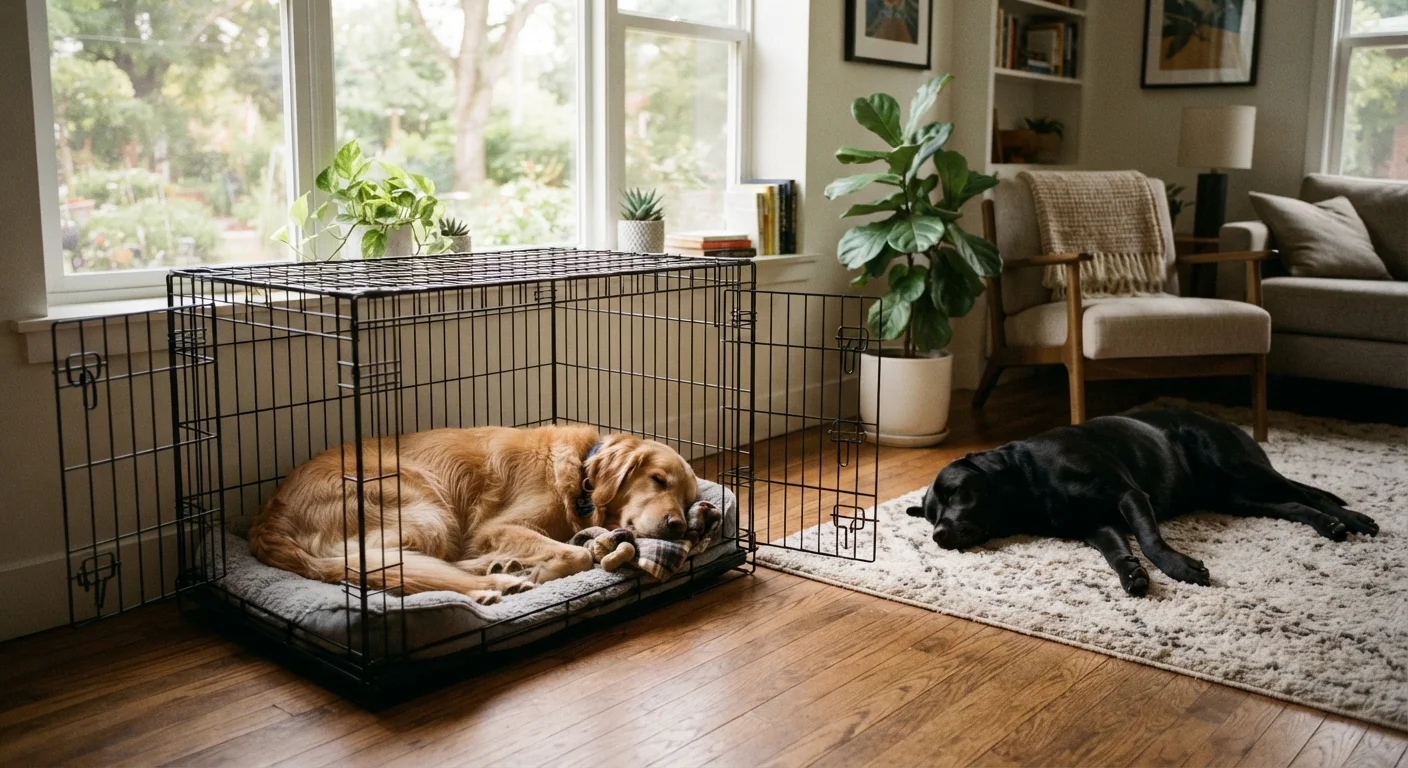
Training doesn't exist in isolation from other aspects of your dog's care and routine. If you're thinking through how structure fits into your dog's day, the crate training vs. free roaming decision is closely related - both involve matching your approach to your dog's individual temperament and needs.
This article provides general educational information about dog training principles and is not a substitute for guidance from a certified professional dog trainer or veterinary behaviorist, particularly for dogs showing fear, aggression, or anxiety-based behaviors.