Why adult dog socialization is a different challenge
Socializing a puppy and socializing an adult dog are fundamentally different undertakings. Puppies have a developmental window - roughly 3 to 14 weeks - during which the brain is primed to accept new experiences with relatively little fear. Adult dogs don't have this neurological shortcut. Whatever they learned (or didn't learn) during that early period shapes their default responses, and changing those responses takes deliberate, sustained effort.
This doesn't mean adult dogs can't make meaningful progress. They absolutely can. But it helps to understand what you're working with. An adult dog that reacts fearfully to strangers isn't being stubborn - it's responding to a deeply encoded threat assessment. Patience and realistic expectations are your first tools.
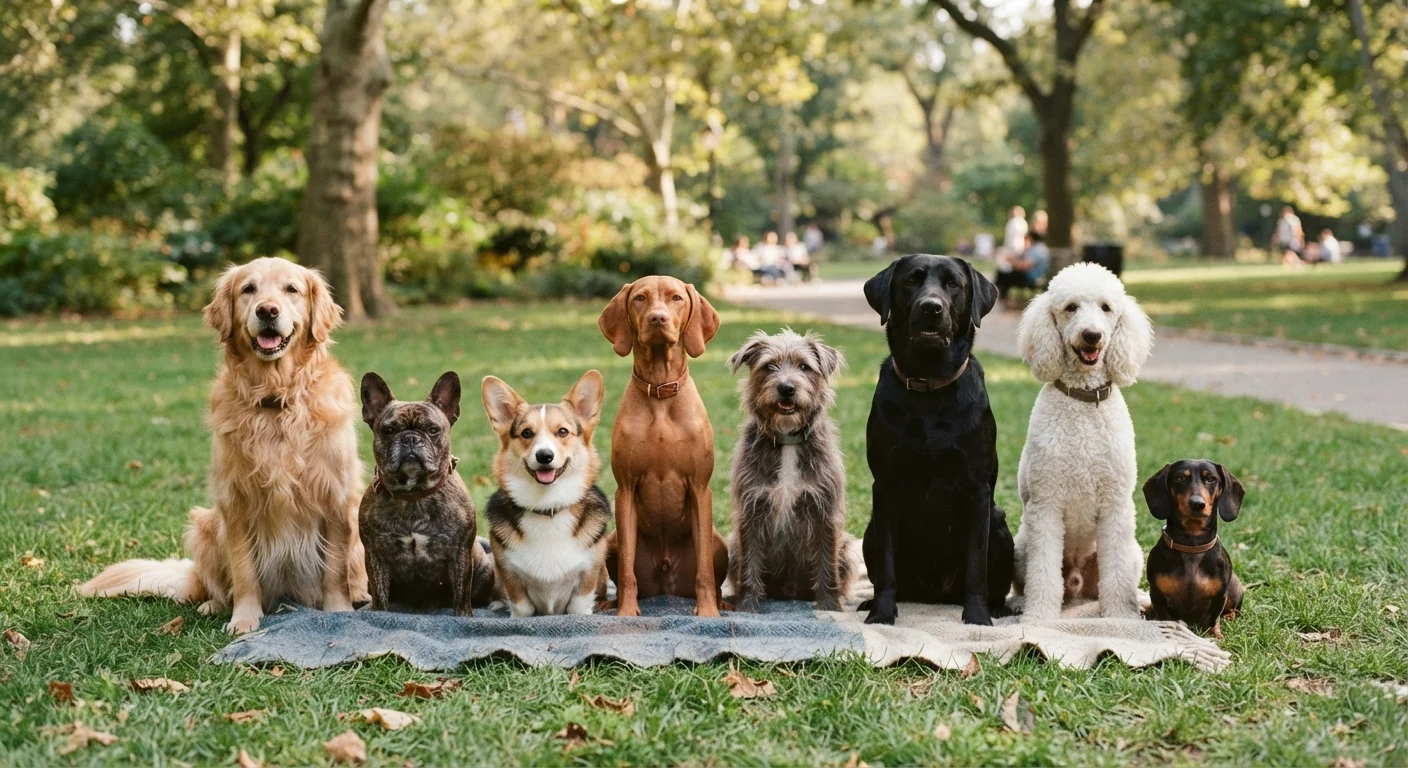
Understanding your individual dog's background is also key. Dogs with unknown histories - rescues, strays, or dogs from understimulating environments - may have gaps in early exposure that explain present behavior. Dogs from working or protective breeds may also have genetic predispositions toward wariness of strangers or strong territorial instincts. Reading our guide to breed-specific behavioral traits can help contextualize what you're observing before you begin.
What you'll need before you start
Preparation matters more with adult dogs than it does with puppies. Setting up the right conditions - and having the right tools on hand - prevents the kind of rushed, reactive sessions that can do more harm than good.
What you will need
High-value training treats
Used to create positive associations with new stimuli during controlled exposure sessions.
Standard 4-6 foot leash
Keeps the dog at a safe, manageable distance from new people or animals during introductions.
Treat pouch or bait bag
Allows quick, hands-free access to rewards during outdoor sessions.
Long line (15-20 feet)
Gives the dog more controlled freedom during outdoor desensitization without risking a runaway response.
Calming mat or portable bed
Provides a familiar, safe resting spot the dog associates with comfort during new-environment visits.
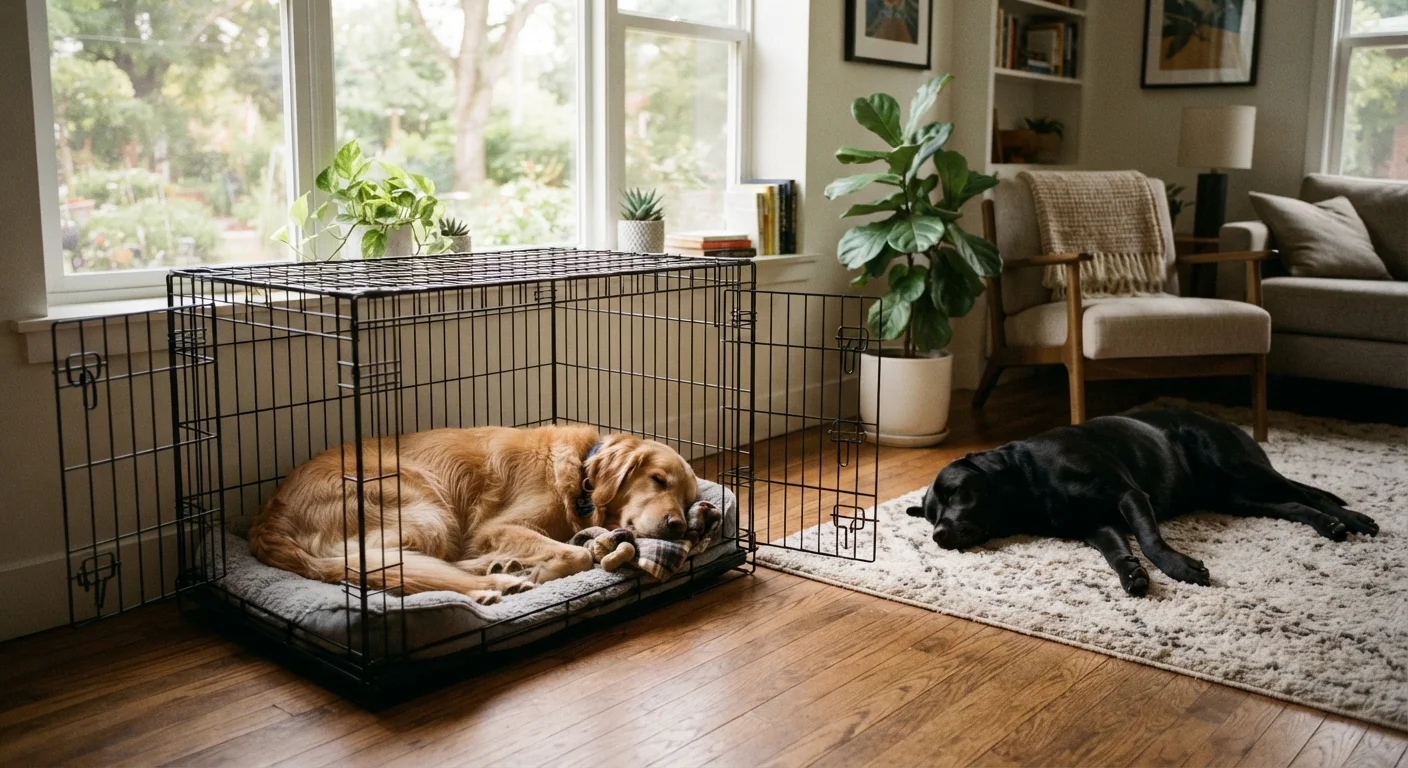
It also helps to think honestly about your dog's environment at home. A dog that has a predictable, calm routine will generally have more emotional resources to put toward learning. Our article on crate training versus free roaming covers how your dog's daily setup can affect stress levels and overall behavior - worth reviewing as you design a socialization-friendly home routine.
Step-by-step: building confidence and comfort
Establish a baseline: know what your dog can handle today
Before introducing anything new, spend a few days observing your dog's current comfort levels. Note what triggers stress - strangers at the door, dogs across the street, traffic noise - and at what distance the reaction begins. This threshold distance is your starting point. Working below threshold (where the dog notices but doesn't react) is where learning actually happens.
Build a strong positive-reinforcement foundation at home
Before exposing your dog to challenging situations, ensure that marker training - using a word like "yes" or a clicker to mark desired behavior, followed immediately by a treat - is already working reliably at home. If your dog doesn't yet understand this communication system, start there. A dog that understands how to earn rewards learns faster under mild stress than one that doesn't.
Introduce new stimuli gradually using desensitization
Start at a distance where your dog notices the trigger but remains calm. Reward calm behavior generously. Over multiple sessions, decrease the distance incrementally - only when the dog is consistently relaxed at the current level. This process, called systematic desensitization, rewires the dog's emotional response over time rather than simply suppressing it.
For dogs reactive to other dogs, this might mean starting 50 feet away across a parking lot. For dogs fearful of strangers, it could mean rewarding calm behavior while a new person simply stands across a room.
Manage the environment to prevent rehearsal of fear responses
Every time a fearful or reactive dog goes over threshold - barking, lunging, freezing, or fleeing - the stress response is practiced and reinforced neurologically. Between training sessions, actively manage situations to prevent these reactions. Cross the street before another dog approaches, choose off-peak hours at parks, or use visual barriers in the home. Management is not failure; it's an essential tool while training progresses.
Expand exposure contexts in a controlled sequence
Once your dog is showing calm, relaxed behavior in one context, introduce variation: a different location, a different time of day, a different person. Generalization - learning that the rule applies across contexts - doesn't happen automatically in dogs. Each new environment is essentially a new training scenario. Progress at your dog's pace, not a predetermined timeline.
Recognize when professional support is appropriate
If your dog's fear or reactivity is severe - snapping, biting, extreme shutdown, or panic - this goes beyond what most owners can safely address alone. A certified professional dog trainer (CPDT-KA) or a veterinary behaviorist can assess the situation, rule out underlying pain or anxiety disorders, and develop a structured behavior modification plan. In some cases, a veterinarian may discuss whether medication could support the training process.
Contrast with puppy socialization timelines
If you've previously raised a puppy, resist the urge to benchmark your adult dog's progress against that experience. The puppy development roadmap reflects a biologically primed process. Adult socialization is more like rehabilitation - steady and rewarding, but operating on a different timeline entirely.
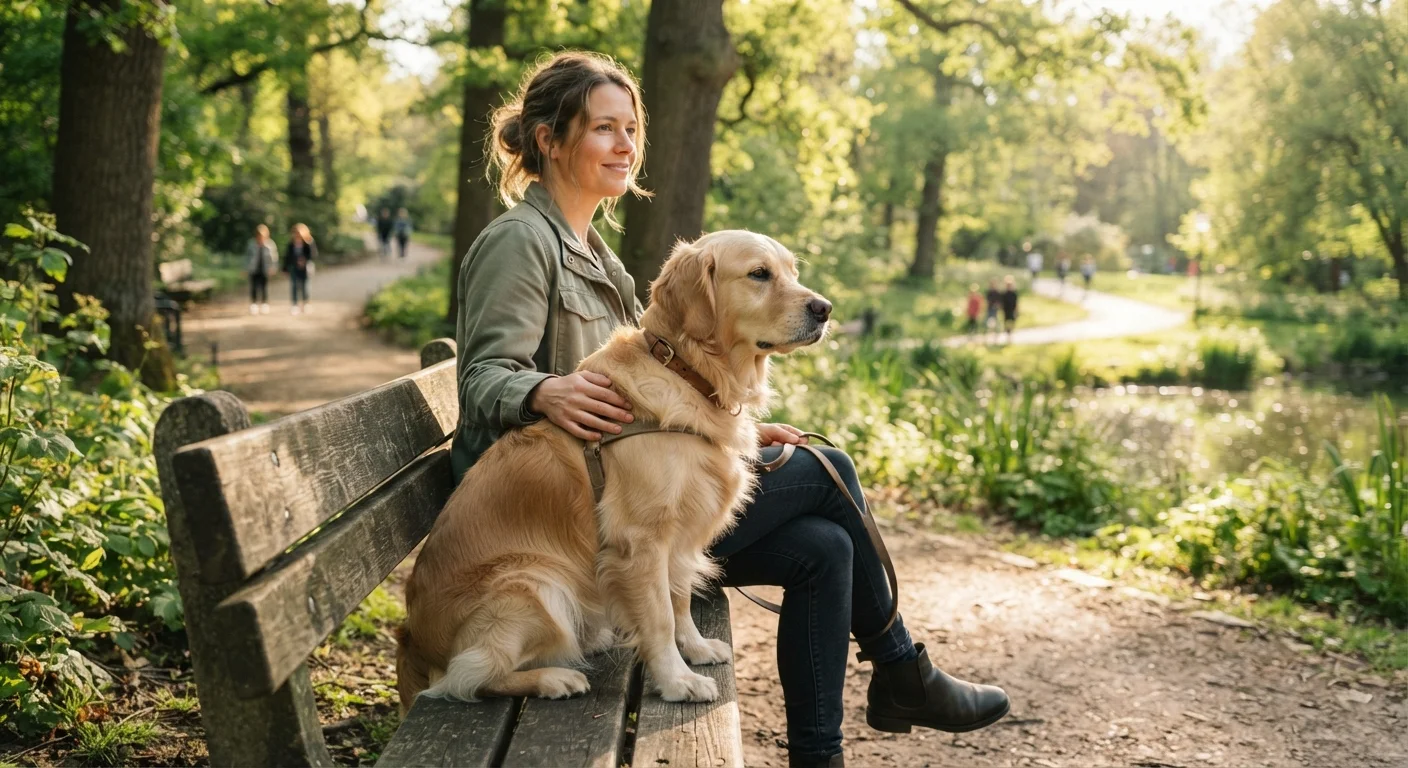
Progress won't always be linear. Some weeks will feel like setbacks. That's normal. What matters is the overall trajectory over weeks and months - not day-to-day fluctuation. Adult dogs who have made genuine socialization progress often continue to improve gradually, especially when daily life includes appropriate physical and mental engagement. For ideas on supporting your dog's broader well-being during this process, see our guide on indoor and outdoor exercise options for dogs of varying energy levels.
Common pitfalls and how to avoid them
Moving too fast is the most common mistake. Owners understandably want results, but pushing an adult dog past its current comfort level doesn't accelerate progress - it undermines it. Each reactive episode reinforces the fear pathway in the brain. Going slower in the early weeks almost always produces faster long-term results.
Another frequent error is inconsistency. Socialization isn't a Saturday project. Short, regular exposures integrated into daily life outperform occasional intensive outings. Even 5 minutes of calm, positive exposure during a routine walk counts.
Avoid unsupervised dog-to-dog introductions
Dog parks and off-leash areas can be counterproductive for adult dogs still building social confidence. Unpredictable dynamics and overstimulation can trigger reactive episodes that set back weeks of work. Structured, one-on-one meetings with known, calm dogs are a far safer way to build positive associations.
Finally, don't confuse tolerance with comfort. A dog that stops barking when a stranger enters the room may simply be shutting down - not relaxing. Watch for signs of genuine ease: loose body posture, soft eyes, voluntary engagement with the environment, and willingness to take treats. These are meaningful indicators that real progress is occurring.
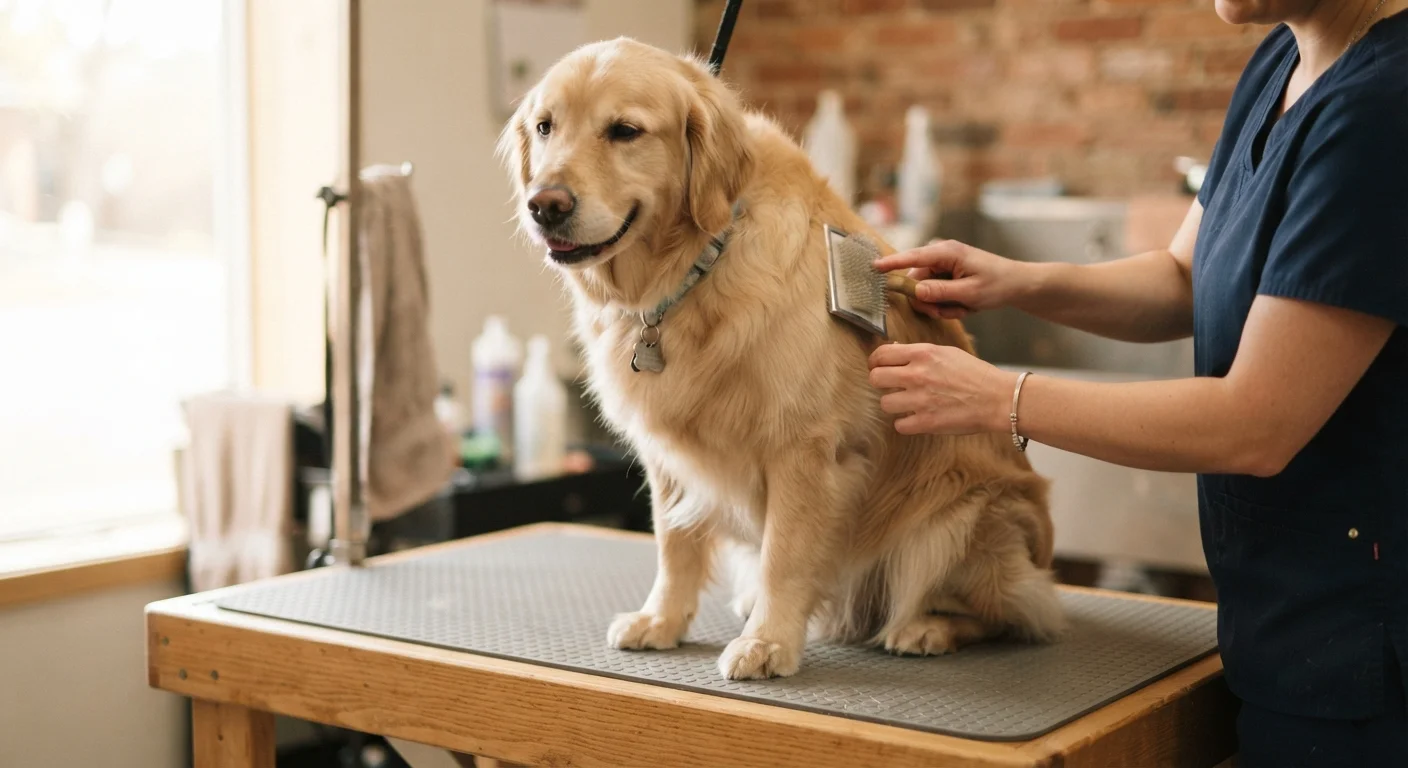
If you're also working through handling-related challenges - such as grooming or vet visits - many of the same principles apply. Our guide to building a grooming routine walks through graduated exposure techniques in that context.