Why the Indoor vs. Outdoor Question Matters
Dog ownership in the US increasingly means urban or suburban living - apartments, townhomes, and small yards are the norm for millions of owners. The assumption that dogs need wide-open outdoor spaces to stay healthy isn't wrong exactly, but it's incomplete. What dogs actually need is consistent, appropriate physical activity that matches their individual energy level and breed background.
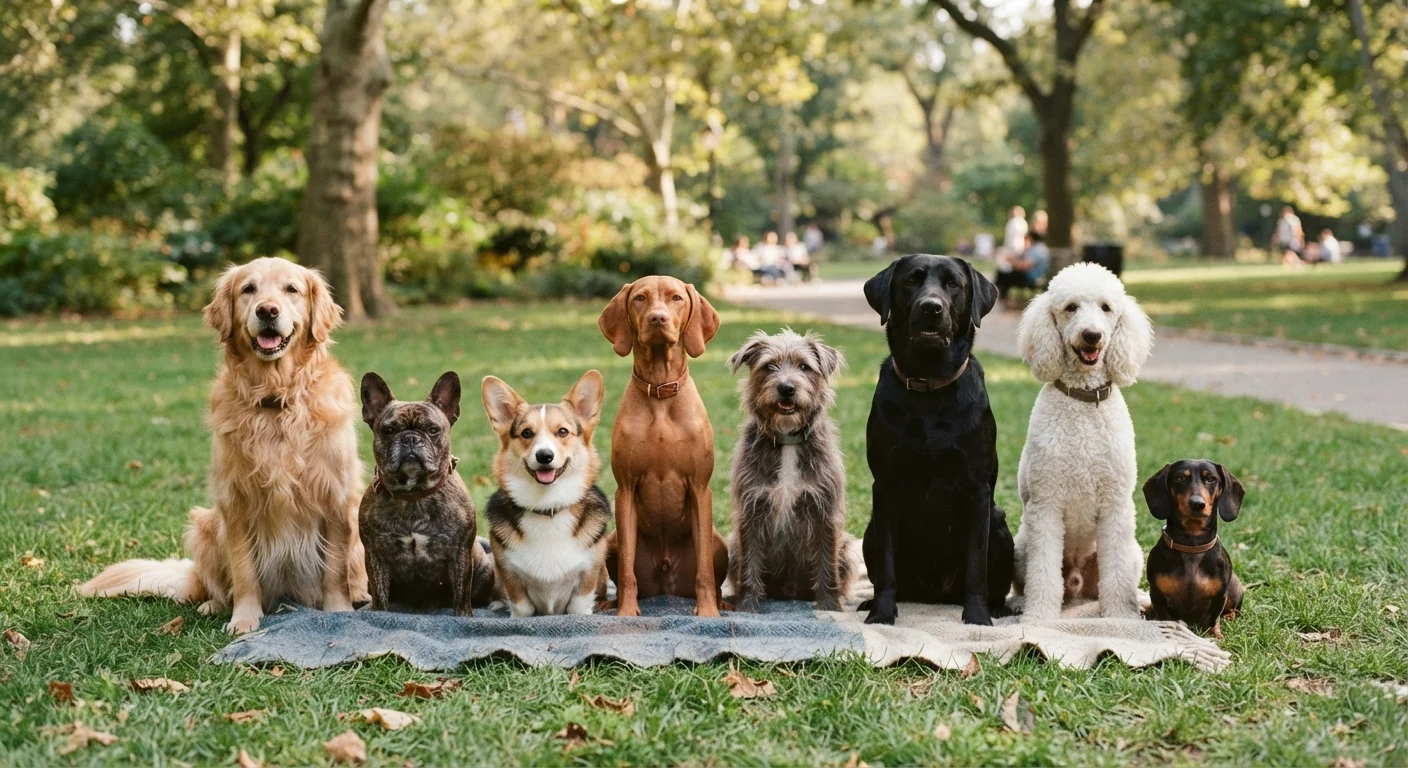
Understanding the trade-offs between indoor and outdoor exercise helps owners make smarter decisions rather than feeling guilty about constraints they can't control. As explained in our article on breed-specific traits that shape everyday behavior, a dog's genetic history plays a major role in how much and what kind of exercise it genuinely requires.
What Outdoor Exercise Offers That Indoors Cannot Fully Replicate
Outdoor walks and runs do more than burn calories. Every outing exposes your dog to a rotating stream of smells, sounds, textures, and social encounters. This sensory input activates problem-solving instincts and provides mental stimulation that a hallway or living room simply can't match at the same scale.
For breeds with strong prey drive, herding instincts, or high stamina - think Border Collies, Vizslas, Siberian Huskies, or Belgian Malinois - outdoor activity isn't a luxury. These dogs were developed to work across large distances, and confinement without adequate outdoor outlets often manifests as destructive behavior, excessive barking, or anxiety.
Outdoor exercise also supports natural elimination routines, exposes dogs to varied terrain that builds proprioception (body awareness), and provides opportunities for off-leash running that indoor alternatives rarely match. If your dog pulls consistently on leash, it may signal that outdoor exercise isn't happening at the right intensity - see our guide on why dogs pull on the leash for context.
| Indoor Exercise | Outdoor Exercise | |
|---|---|---|
| Sensory stimulation | Limited - familiar environment | High - new smells, sights, sounds daily |
| Weather dependency | None - always available | High - heat, cold, rain can disrupt plans |
| Space requirements | Works in apartments and small homes | Requires access to safe outdoor areas |
| Best suited for | Low- to moderate-energy breeds, seniors | High-energy, working, and sporting breeds |
| Mental engagement | High with puzzles and training games | High through exploration and social exposure |
| Ease of social interaction | Difficult - limited canine contact | Easy - parks, trails, neighborhood walks |
| Off-leash running potential | Very limited | Available at dog parks and open spaces |
Making Indoor Exercise Work
Indoor exercise is often underestimated. For smaller breeds, senior dogs, and low-energy companions - Basset Hounds, Shih Tzus, French Bulldogs - a thoughtfully structured indoor routine can cover the majority of their physical needs. Even larger, moderately active dogs can be well-served on days when outdoor conditions make exercise difficult.
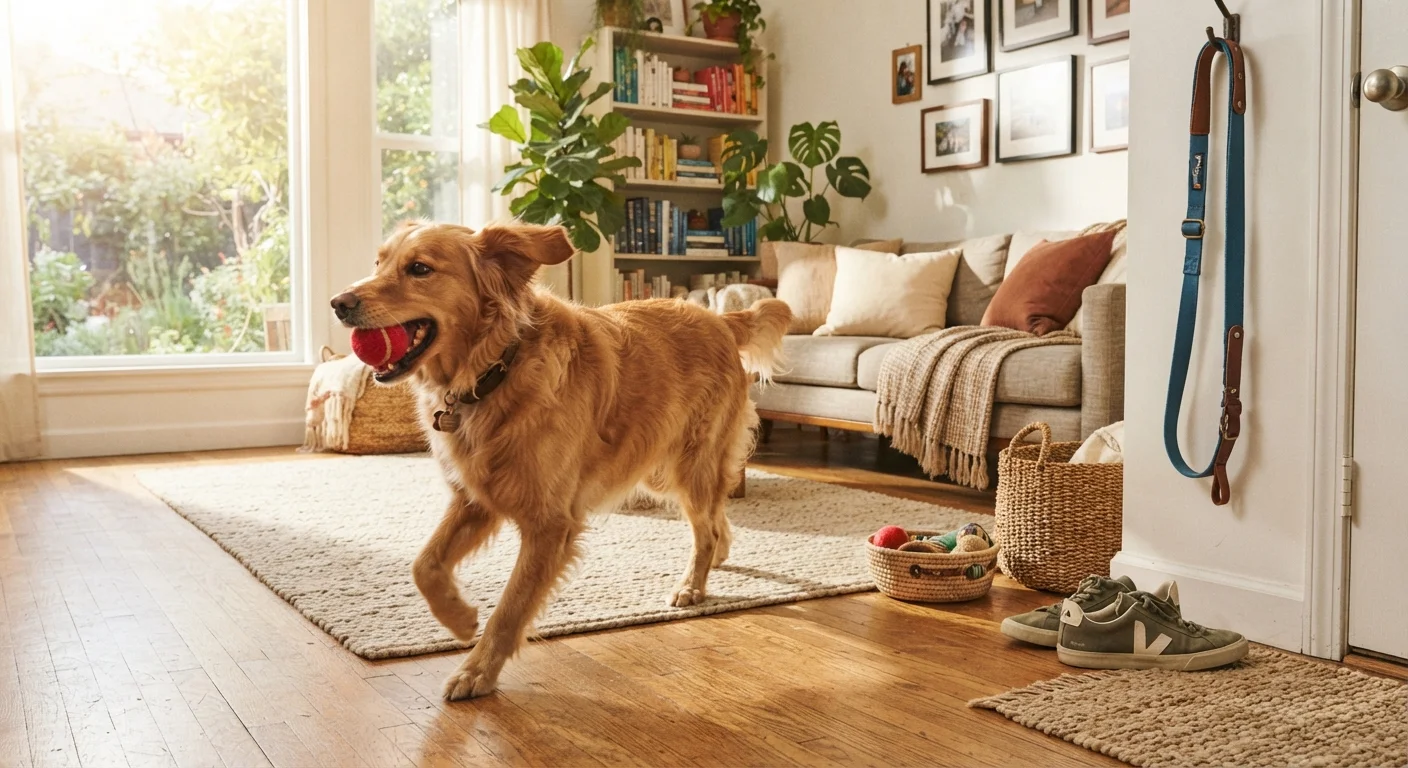
Effective indoor options include stair climbing, tug-of-war, hide-and-seek with toys or treats, fetch down a long hallway, and structured training sessions that require focused physical effort. Puzzle feeders and nose work games add mental exercise, which tires dogs out more efficiently than many owners expect.
Nose Work Is Surprisingly Tiring
Scent-based games - hiding treats around the home and asking your dog to find them - engage the brain intensively and can calm a restless dog faster than physical exercise alone. Even five minutes of structured nose work can take the edge off a high-energy dog on a rainy day. This is especially useful for scent-oriented breeds like Beagles, Dachshunds, and Bloodhounds.
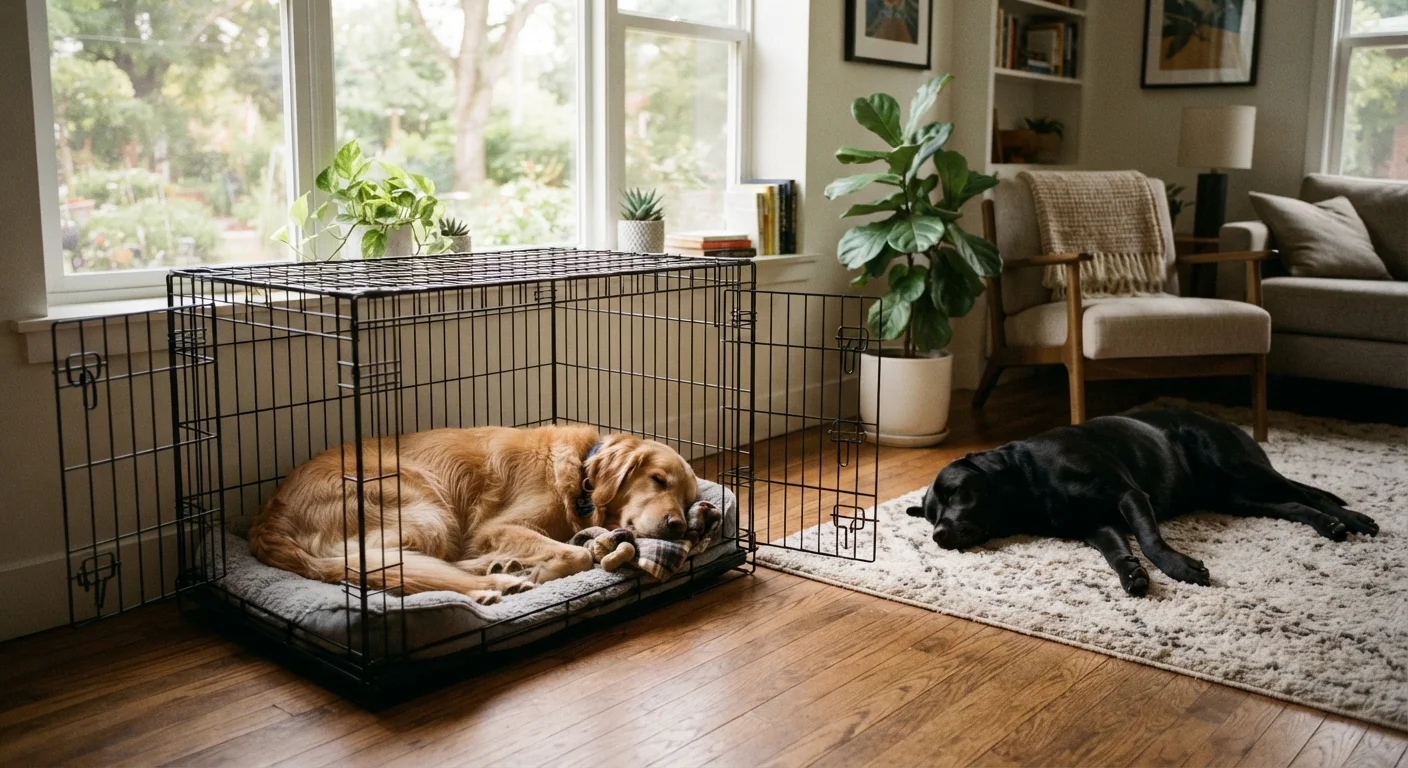
Dogs in apartments benefit from multiple short sessions throughout the day rather than one long session - this mirrors how dogs naturally regulate activity. Even 10-15 minutes of focused indoor play, repeated two to three times daily, can meaningfully reduce restlessness. For more on structuring your dog's space and routine, our article on crate training vs. free roaming covers how environment shapes behavior.
Matching Exercise Type to Your Dog's Profile
Age is a significant variable. Puppies need frequent but short activity bursts; over-exercising growing joints before skeletal maturity - typically around 12-18 months depending on breed size - can cause lasting harm. Senior dogs may need lower-impact options like gentle outdoor walks or slow indoor movement exercises. Always consult a veterinarian when establishing exercise routines for puppies, older dogs, or those with health conditions.
Adult dogs in good health are generally adaptable. A mix of daily outdoor walks (even modest ones) combined with active indoor sessions often produces better behavioral outcomes than relying on a single long outdoor outing. Dogs that lack adequate social exposure may also benefit from structured outdoor time around other dogs and people - something worth considering especially for adopted adults, as covered in our piece on socializing an adult dog.
Weather, health, and your own schedule will all create days when outdoor exercise isn't realistic. Building a reliable indoor routine as a backup - rather than scrambling when conditions change - keeps your dog's physical needs consistently met regardless of circumstance.