Why Preventive Care Matters More Than Most Owners Realize
Preventive veterinary care isn't just about keeping your dog up to date on shots. It's a systematic approach to catching problems before they become expensive, painful, or life-threatening. Dogs can't describe symptoms, which means many conditions - from early kidney disease to dental infections - go undetected until a veterinarian examines them up close.
Think of it the way a scheduled maintenance plan works for a vehicle: consistent, interval-based checkups protect the whole system, not just the parts that seem to be failing. The same logic applies to your dog. Most veterinarians recommend annual wellness exams for healthy adult dogs, with more frequent visits for puppies and seniors.
If you're just starting out with a puppy, the puppy's first year development roadmap is a useful companion to this overview - it maps out when key health milestones typically fall across the first twelve months.
Core Preventive Services and When They're Needed
Vaccinations
Core vaccines - including distemper, parvovirus, adenovirus, and rabies - are considered essential for virtually all dogs regardless of lifestyle. Non-core vaccines, such as those for Bordetella (kennel cough), leptospirosis, and Lyme disease, are recommended based on individual risk factors like geographic region, outdoor activity, and boarding frequency. Your veterinarian is the right person to guide which apply to your dog's specific circumstances.
Parasite Prevention
Fleas, ticks, heartworm, and intestinal parasites are preventable with veterinarian-recommended protocols. Heartworm disease, spread by mosquitoes, is particularly serious: treatment after infection is far more complex and costly than monthly prevention. Year-round prevention is commonly advised across much of the US, though your vet may adjust recommendations based on your region and the dog's exposure level.
Dental Health
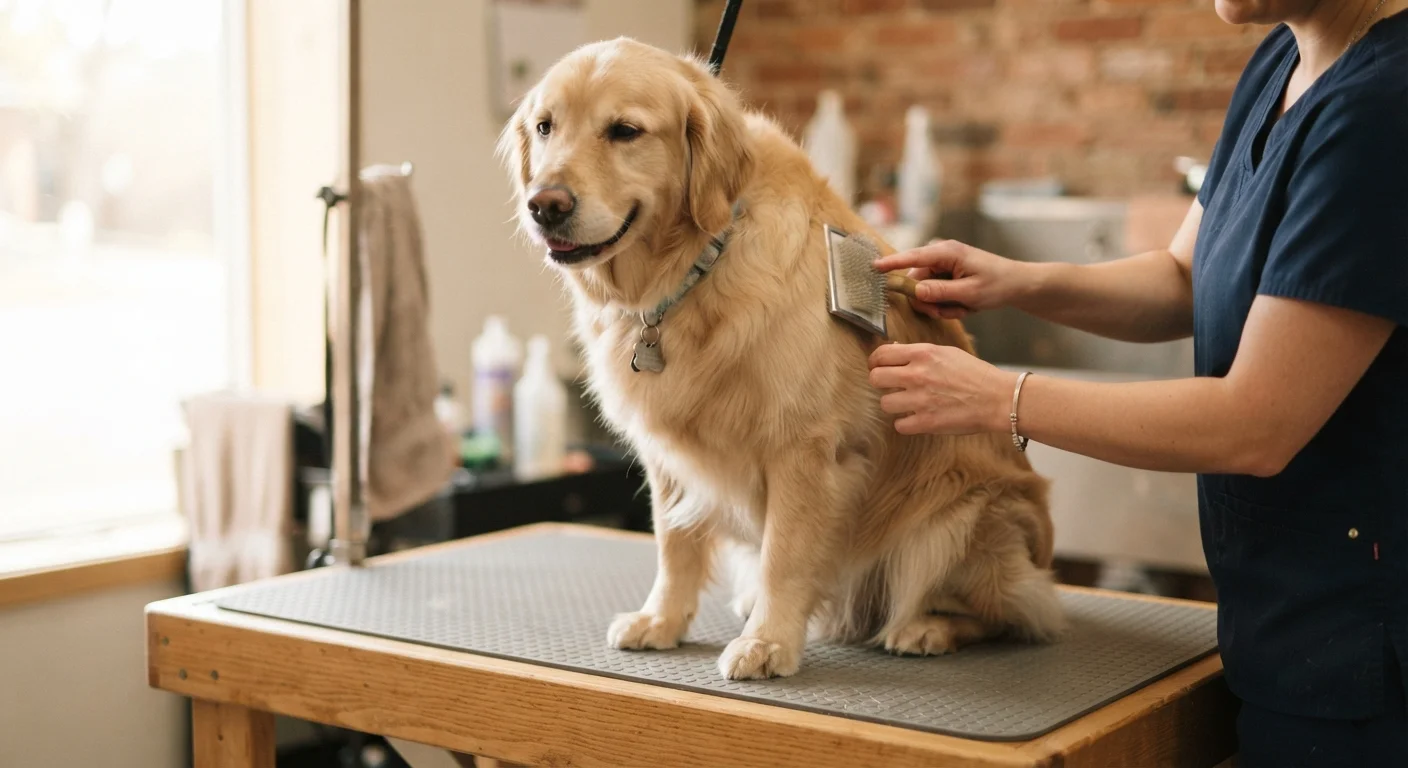
Periodontal disease is one of the most prevalent conditions seen in adult dogs, yet it's frequently overlooked by owners. Annual professional dental cleanings - performed under anesthesia - allow veterinarians to identify tooth decay, gum disease, and oral infections that home brushing alone cannot address. Consistent home grooming habits, including regular tooth brushing, can slow tartar buildup between professional cleanings.
Annual Wellness Exams
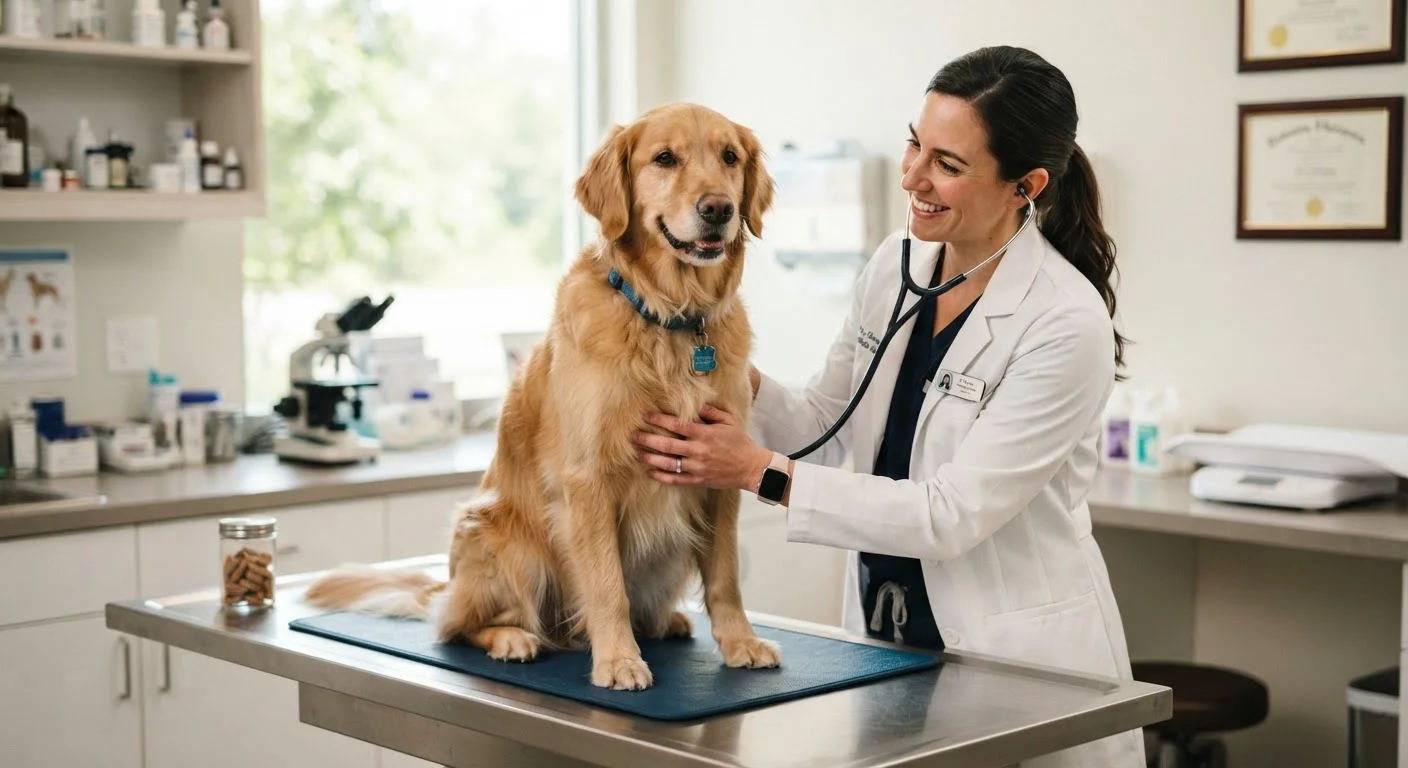
A thorough physical exam covers heart and lung function, lymph nodes, eyes, ears, joints, coat condition, and body weight. Blood panels and urinalysis, often recommended annually for dogs over seven, can detect organ changes before clinical signs appear. Breed-aware screening matters here - large and giant breeds, for example, may be monitored more closely for joint conditions, while brachycephalic breeds (those with flat faces, like Bulldogs and Pugs) often require additional respiratory assessment.
Building a Preventive Care Schedule That Works
Consistency is the most important factor in preventive care. A practical approach is to use your dog's annual exam as an anchor point, scheduling it around the same time each year and using that appointment to review and update all preventive protocols at once.
Diet and weight monitoring are closely tied to preventive health outcomes. Dogs maintained at a healthy body weight show lower rates of orthopedic problems, diabetes, and cardiovascular strain. The guide to canine nutrition provides a solid foundation for evaluating whether your dog's current diet supports their long-term health.
As dogs age, the frequency and scope of preventive care typically increases. Senior dogs - generally defined as those over seven, though this varies by breed and size - often benefit from biannual exams and expanded bloodwork. For a deeper look at what changes and why, the senior dog care guide covers that transition in detail.
This article provides general health information for educational purposes and is not a substitute for professional veterinary advice. Always consult a licensed veterinarian for guidance specific to your dog's health needs.