Why Low Mileage Isn't the Same as Low Risk
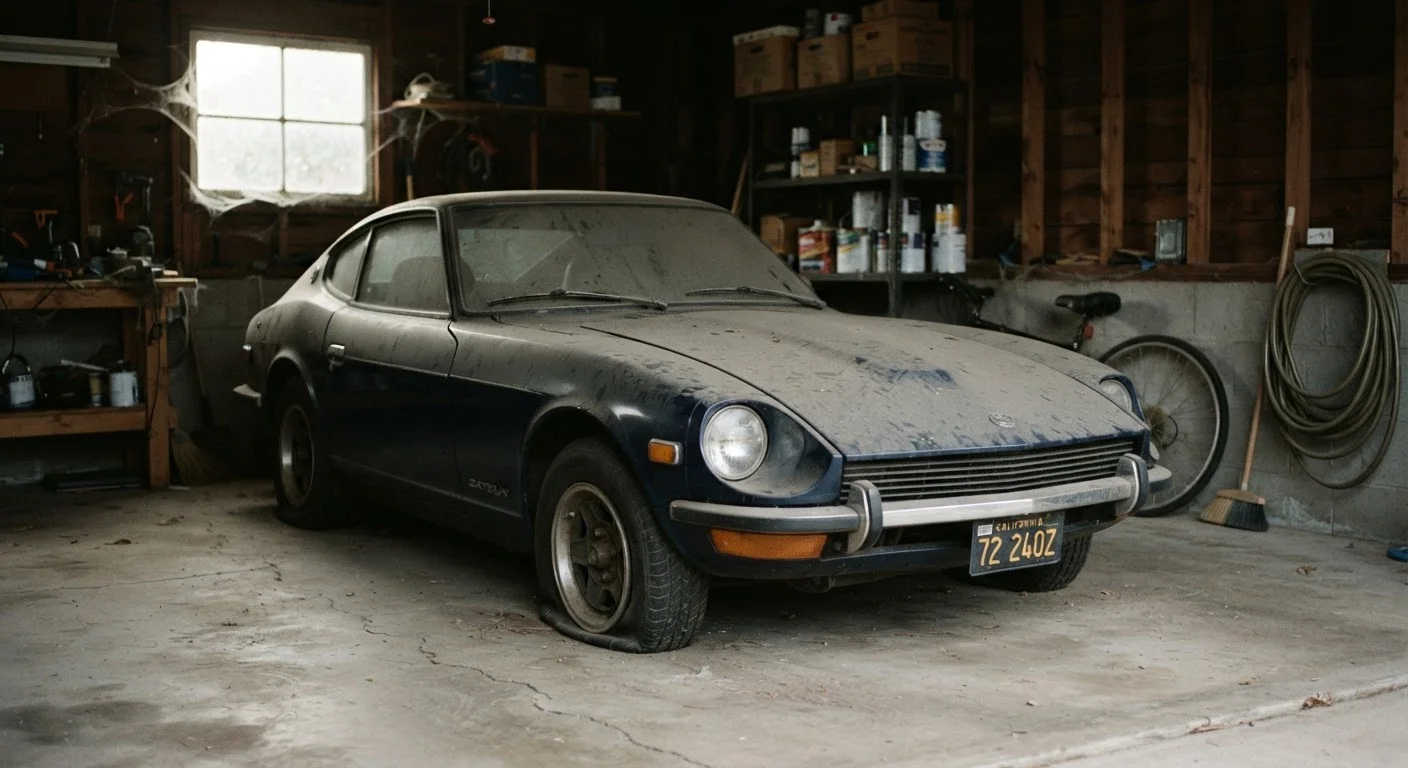
It's easy to assume that a car with 3,000 miles on this year's odometer barely needs attention. In reality, time is just as hard on a vehicle as distance. Rubber seals dry out, metal surfaces corrode, fluids absorb moisture, and batteries slowly discharge - all regardless of how far the car has traveled.
This is especially relevant for drivers who work from home, own a secondary vehicle, or keep a car "just in case." The vehicle may look fine sitting in the driveway, but the systems inside are quietly degrading. Understanding where those risks concentrate is the first step to protecting the car.
For a broader picture of how mileage and time interact across a vehicle's full life, see our complete maintenance overview.
The Components Most Affected by Sitting
Certain parts of a car suffer disproportionately when the vehicle goes weeks or months without regular use. Knowing which systems are most vulnerable helps prioritize where to focus attention.
1-2 PSI
Monthly tire pressure loss from natural permeation
Industry guidelines consistently note that tires lose approximately 1-2 PSI per month under normal conditions, independent of any puncture or leak.
3-4 weeks
Time before untreated gasoline begins to degrade
Fuel system and automotive engineering references generally cite 30 days as the point at which untreated modern gasoline can begin forming varnish deposits.
Battery: A car battery recharges through the alternator while the engine runs. Without regular driving, it slowly self-discharges. Cold weather accelerates this. A battery left at a low charge for extended periods can sulfate internally, permanently reducing capacity. Our article on why batteries fail prematurely covers this in detail.
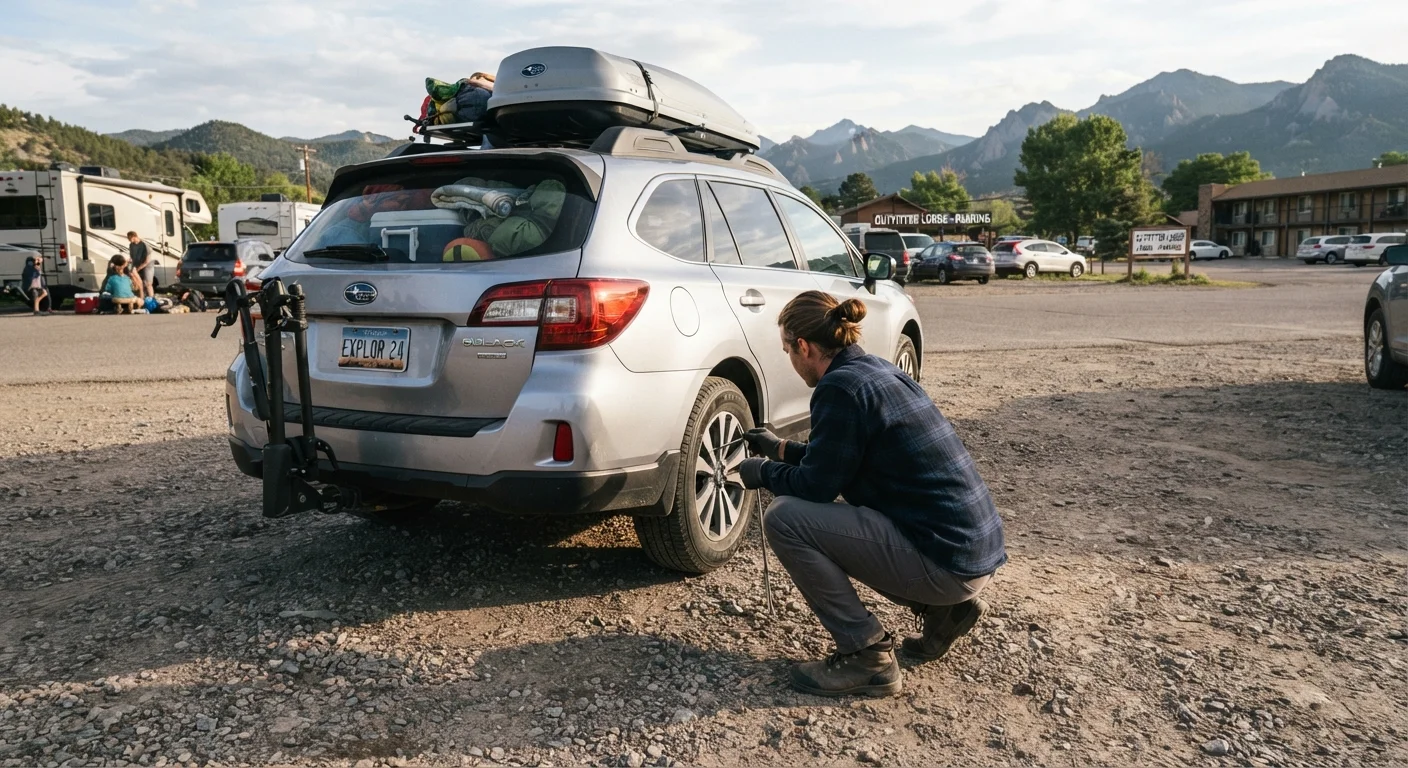
Tires: Tires develop flat spots when a vehicle sits on the same contact patch for extended periods, particularly in cold temperatures. This can cause a thumping sensation when driving resumes. Underinflation from slow air loss compounds the problem. See our guide on tire rotation and alignment for related context.
Brakes: Surface rust forms on brake rotors quickly - sometimes overnight in humid conditions. A small amount is normal and clears with light use, but extended inactivity can lead to corrosion that affects braking performance. Our brake health overview explains what warning signs to watch for.
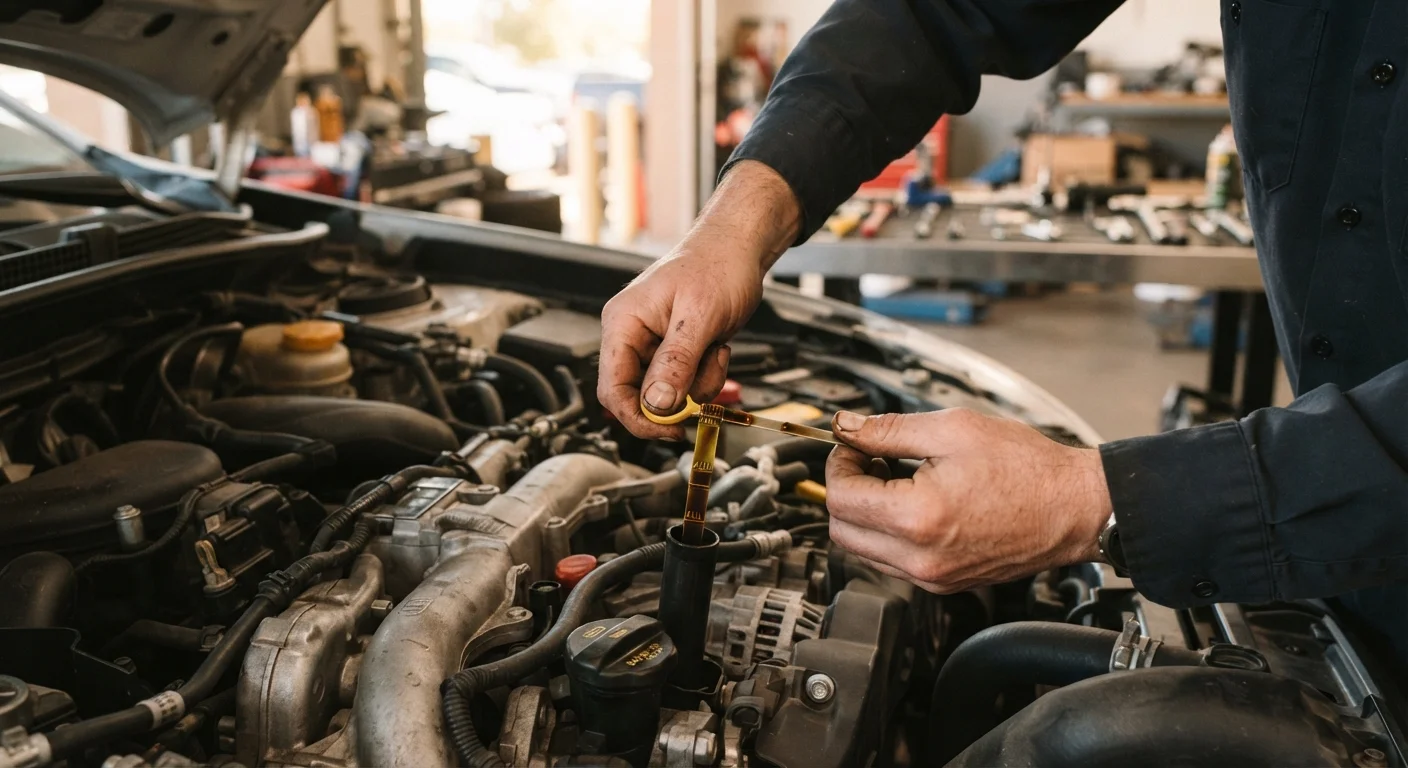
Engine oil and other fluids: Oil breaks down over time even without use, and moisture can contaminate it. Fuel left sitting for several months can degrade, causing starting difficulties and potential fuel system issues. Coolant, brake fluid, and power steering fluid are also susceptible to moisture absorption over time.
Best Practices for Vehicles Driven Infrequently
Drive the vehicle for at least 15-20 minutes at highway speeds every two to three weeks.
Short trips don't allow the engine to reach full operating temperature, which means moisture in the oil doesn't evaporate properly. A sustained drive circulates all fluids, charges the battery through the alternator, and clears surface rust from brake rotors.
Change the oil based on time as well as mileage - typically every 12 months if mileage thresholds aren't reached first.
Motor oil degrades through oxidation and moisture contamination over time, not just through use. Most manufacturer guidelines specify both a mileage and a time interval - whichever comes first should trigger the change.
Check tire pressure monthly and inspect for flat spotting or cracking before longer drives.
Tires lose roughly 1-2 PSI per month naturally, and temperature swings accelerate this. Low pressure increases the risk of uneven wear and blowouts. Flat spots from prolonged parking can cause vibration and, in severe cases, require tire replacement.
Use a battery maintainer (trickle charger) if the vehicle will sit unused for more than two weeks.
A maintainer keeps the battery at an optimal charge level without overcharging it, preventing sulfation. This is especially important in cold climates or for vehicles with high electrical loads from security systems or infotainment modules.
Add a fuel stabilizer if the vehicle will be unused for more than 30 days.
Gasoline begins to degrade in as little as three to four weeks, forming gum and varnish deposits that can clog fuel injectors and carburetors. A stabilizer slows oxidation and keeps fuel usable for several months.
Inspect rubber components - belts, hoses, and seals - annually, even on low-mileage vehicles.
Rubber degrades through heat cycling, UV exposure, and ozone - processes driven by age rather than miles. Cracked hoses or brittle belts can fail unexpectedly and cause significant engine damage. Our guide to belts and hoses covers what to look for.
If you're uncertain whether a specific task is appropriate to handle yourself, our guide on DIY versus professional maintenance can help you decide when to call a mechanic.
Quick Actions You Can Take Today
Many of these steps cost nothing and take only a few minutes. Checking the manufacturer's recommended service intervals - including time-based thresholds - is an important complement to these quick checks. Our article on scheduled maintenance plans explains how those intervals work in practice.
This article is for general informational purposes only. For vehicle-specific maintenance guidance or safety concerns, consult a qualified mechanic.