Why Maintenance Intervals Matter
Every vehicle leaves the factory with a manufacturer-specified maintenance schedule - a calendar of services tied to mileage, time, or both. These intervals exist because components wear at predictable rates, and catching degradation early consistently costs less than repairing failures. Ignoring them doesn't just risk breakdowns; it can void powertrain warranties and accelerate wear across interconnected systems.
It's worth understanding the difference between time-based and mileage-based intervals. A vehicle driven mostly short, stop-and-go trips may require more frequent oil changes than one covering long highway miles at the same odometer pace - because short trips prevent the engine from fully warming up and burning off moisture that accumulates in the oil. Manufacturer service intervals are designed around both variables, and your owner's manual remains the most authoritative source for your specific vehicle.
Set a calendar reminder tied to your typical monthly mileage rather than waiting for a dashboard light. Warning indicators often signal a problem that's already developed, not one that's approaching.
Dashboard warning lights are reactive systems - by the time they illuminate, some damage or accelerated wear may have already occurred. Proactive scheduling based on your driving patterns is more protective.
When you bring a vehicle in for an oil change, ask the technician to do a quick visual inspection of belts, hoses, and fluid levels at the same time. Most shops will do this at no extra charge.
Combining checks during a single visit reduces oversight and leverages time already spent at the shop, making it easier to catch developing issues without additional appointments.
The Fluid Fundamentals
Fluids are the lifeblood of nearly every major vehicle system. Monitoring them is low-effort, high-impact maintenance anyone can perform between shop visits.
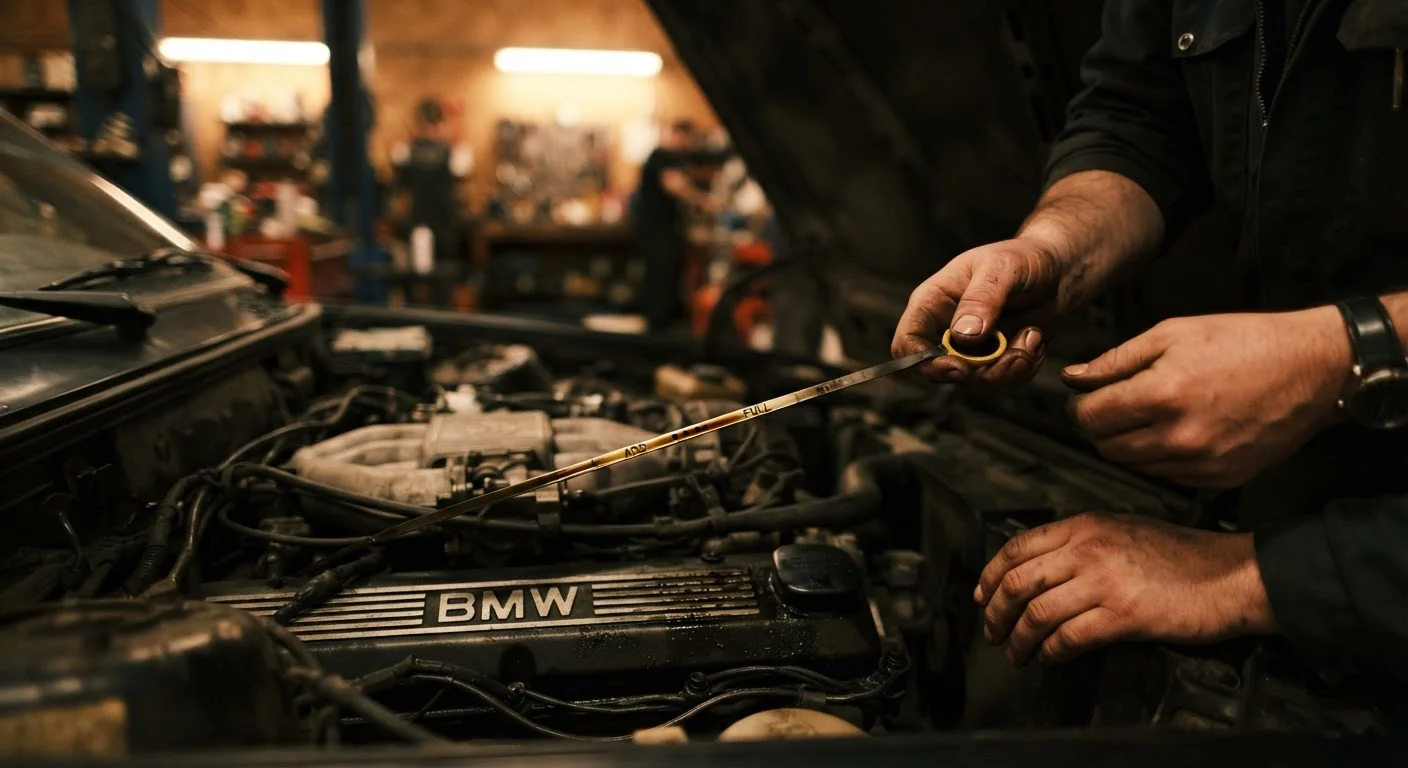
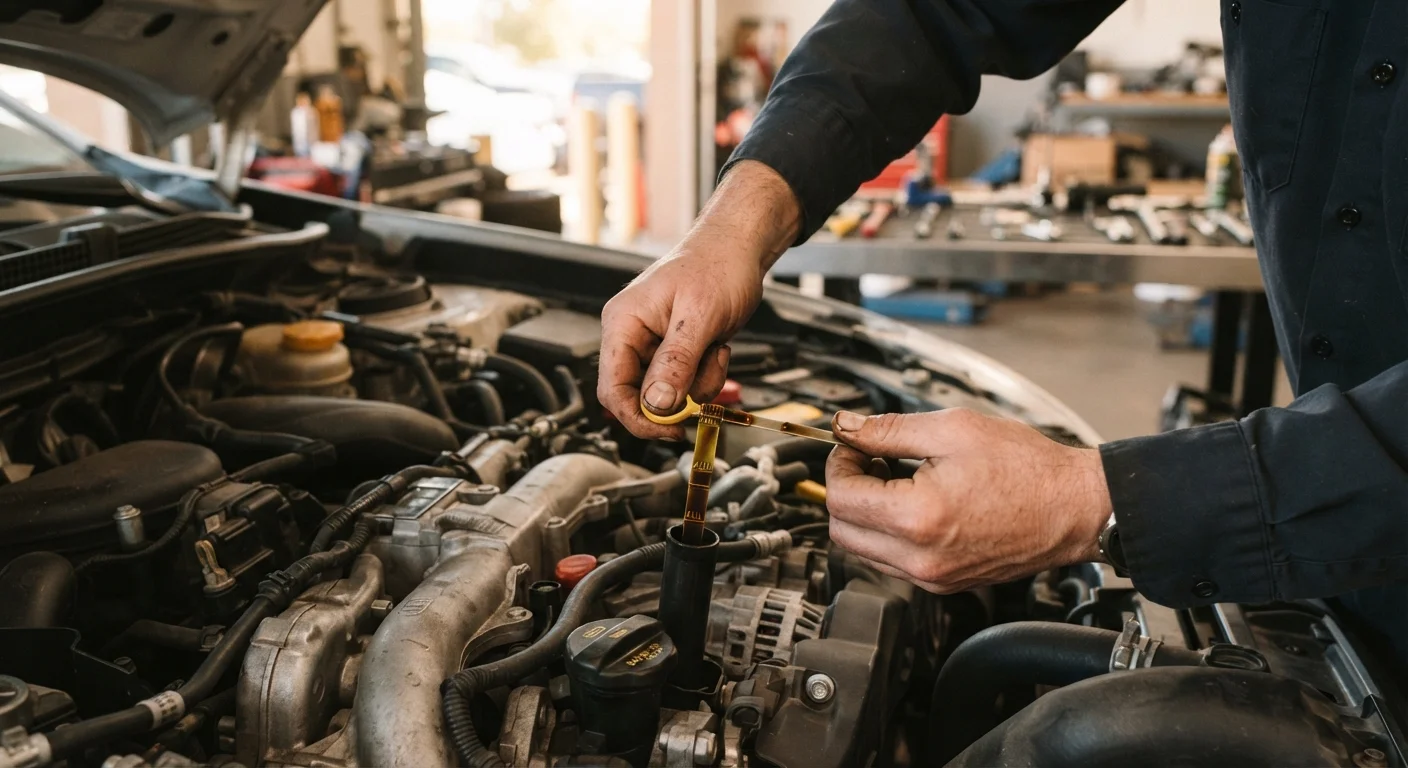
- Engine oil: Check the dipstick monthly. Fresh oil is amber; dark black oil with a gritty texture signals it's overdue for a change. Modern vehicles commonly use synthetic oil with change intervals between 5,000 and 10,000 miles, but always defer to your manual.
- Coolant (antifreeze): Protects the engine from overheating in summer and freezing in winter. Have it tested or flushed per your manufacturer's recommendation - typically every two to five years.
- Brake fluid: Absorbs moisture over time, which lowers its boiling point and can reduce braking effectiveness. A test strip from an auto parts store can indicate whether it's still serviceable.
- Transmission fluid: Often overlooked, but degraded fluid is a leading contributor to costly transmission repairs. Check your manual for service intervals and fluid type - some sealed transmissions require professional servicing.
- Power steering and windshield washer fluids: Quick visual checks during any oil change visit keep these from becoming surprises.
Never Mix Different Coolant Types
Coolants come in different formulations - OAT, HOAT, and conventional - that are chemically incompatible. Mixing them can create a gel-like substance that clogs the cooling system. Always use the coolant type specified in your owner's manual, and flush the system completely before switching formulations.
For vehicles that sit unused for extended periods, fluid degradation still occurs even without mileage accumulating. Low-mileage care requires a time-based approach rather than an odometer-based one.
Tires, Brakes, and Suspension
These three systems are directly responsible for vehicle control and occupant safety. A qualified mechanic should inspect them, but drivers can learn to recognize early warning signs.
Tires
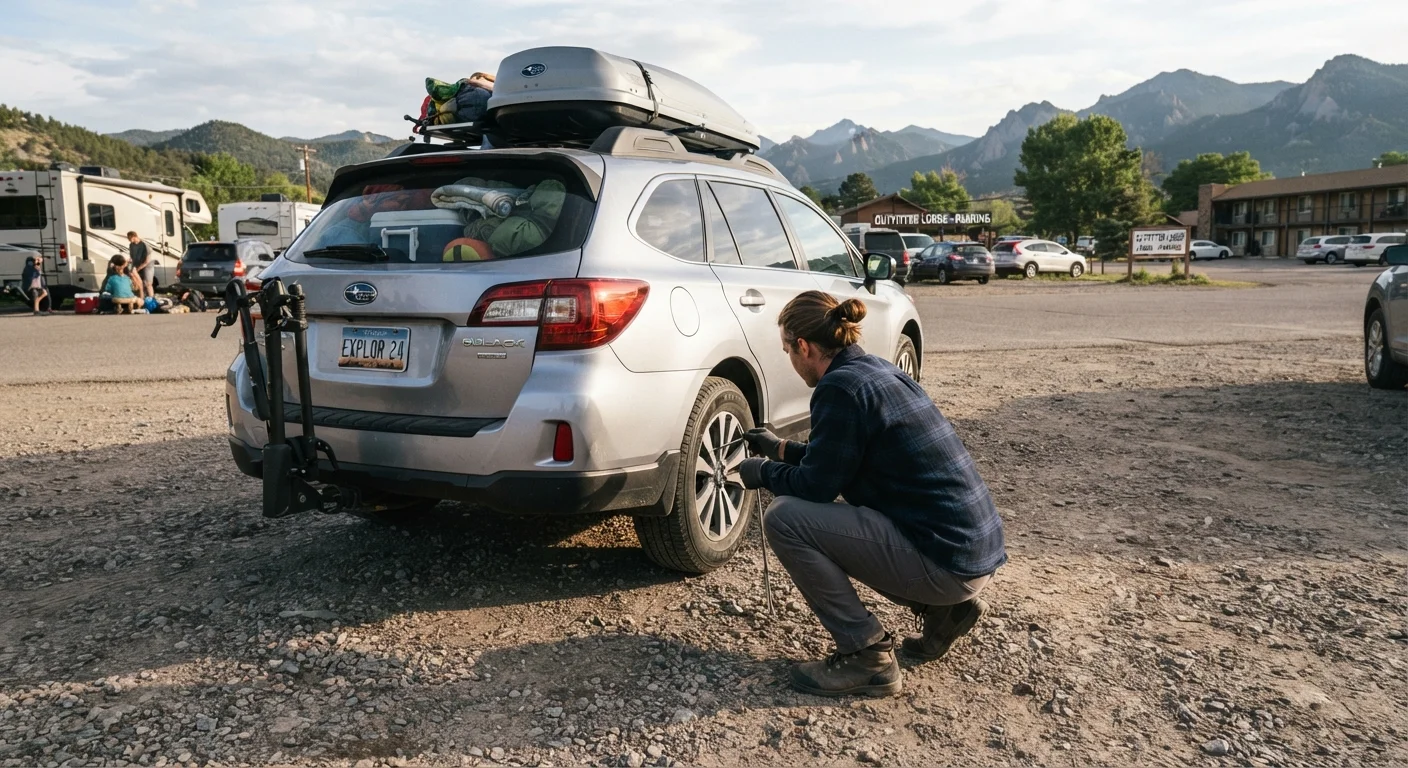
Check tire pressure monthly - including the spare. Underinflation increases fuel consumption and causes uneven tread wear. Tread depth should stay above 2/32 of an inch; a coin check (place a penny in the tread groove - if you can see the top of Lincoln's head, it's time to replace) is a widely referenced rule of thumb, though 4/32 is a safer threshold in wet conditions. Rotate tires every 5,000-7,000 miles to promote even wear.
Brakes
Squealing or grinding noises, a pulsating brake pedal, or longer stopping distances are signs that brake pads or rotors need professional evaluation. Most pads have wear indicators that create an audible squeal when they approach minimum thickness. Brake inspection should be part of every tire rotation visit.
Suspension
Worn shocks or struts affect ride quality, handling, and braking distance. Signs include excessive bouncing after road bumps, uneven tire wear, or a pulling sensation during turns. Suspension components generally don't have fixed replacement intervals, so regular inspections - particularly after 50,000 miles - are the best safeguard.
High-Mileage Considerations
Vehicles crossing 100,000 miles aren't necessarily near the end of their life - many modern engines are engineered to last 200,000 miles or more with proper care. But higher mileage does shift maintenance priorities.
200,000+
Miles modern engines can last with proper care
Automotive engineers and industry analysts widely cite 200,000 miles as an achievable lifespan for well-maintained contemporary vehicles.
~$1,200
Average annual vehicle maintenance cost for US drivers
AAA's annual Your Driving Costs study consistently reports average maintenance and repair costs in this range for a typical sedan driven around 15,000 miles per year.
25%
Fuel efficiency loss from underinflated tires
The U.S. Department of Energy estimates that tires underinflated by just 1 PSI can reduce fuel economy by approximately 0.2%, with compounding effects across all four tires.
Key areas requiring increased attention include:
- Timing belt or chain: If your vehicle has a timing belt (check your manual - not all do), replacement is typically recommended between 60,000 and 105,000 miles. A snapped belt causes engine damage that can total a vehicle. Timing chains are more durable but can stretch and also require inspection.
- Spark plugs: Modern iridium or platinum plugs can last 100,000 miles, but worn plugs reduce fuel efficiency and can stress the ignition coil.
- Seals and gaskets: Rubber degrades over time. Minor oil seepage is common on higher-mileage vehicles; left unaddressed, it can escalate to significant leaks. High-mileage oil formulations include conditioners that can help slow this process.
- Battery: Most automotive batteries last three to five years. Heat accelerates degradation. Have the battery load-tested annually after the four-year mark.
If you're evaluating a high-mileage used vehicle, maintenance records are among the most valuable documents a seller can provide. What to know before buying a car includes guidance on pre-purchase inspections that surface deferred maintenance.
Building a Maintenance Habit
Consistency matters more than any single service. A straightforward maintenance log - whether a notes app, spreadsheet, or glove-box notebook - recording every service date, mileage, and work performed keeps you informed and helps a mechanic spot patterns. It also adds tangible value at resale.
It's equally useful to know which maintenance beliefs are worth keeping and which are outdated. Some commonly repeated advice - like needing an oil change every 3,000 miles regardless of vehicle type - doesn't reflect modern engine and lubricant technology. Common car maintenance myths break down which rules of thumb still hold and which cost drivers unnecessary money.
Finally, develop a relationship with a trusted mechanic before you need emergency repairs. A shop familiar with your vehicle's history is better positioned to give accurate advice than one seeing it for the first time under stress. Ask questions, request explanations, and don't hesitate to get a second opinion on major recommended services.
This article provides general vehicle maintenance information for educational purposes. For advice specific to your vehicle, always consult your owner's manual and a qualified automotive professional.