Why Automotive Myths Persist - and Why They Matter
Car maintenance folklore spreads easily: from parents to new drivers, from online forums to shop waiting rooms. Some of it was once accurate but reflects the engineering realities of older vehicles. Some was never accurate to begin with. The problem is that acting on outdated or incorrect information has a real cost - unnecessary fuel expenses, accelerated wear, or deferred repairs that quietly grow into serious failures.
This article addresses six of the most persistent maintenance myths, replacing them with what current automotive engineering and manufacturer guidance actually supports. For a broader look at how purchase-stage misconceptions can be equally costly, see car-buying myths that cost drivers money.
Myth
You need to let your car idle for several minutes to warm up the engine before driving, especially in cold weather.
Fact
Modern fuel-injected engines reach operating temperature faster by being driven gently than by sitting idle.
This advice made sense for carbureted engines common before the 1980s, which needed time to stabilize fuel-air mixtures. Today's electronically controlled, fuel-injected engines warm up more efficiently under light load. Extended idling in cold weather wastes fuel, contributes to engine wear by diluting oil with unburned fuel, and produces unnecessary emissions. A brief 30-second idle - enough to let oil circulate - followed by gentle driving is generally sufficient for most modern vehicles.
Myth
Premium fuel makes any car run better and should be used whenever possible for engine health.
Fact
Premium fuel only benefits engines specifically designed or required to use it - using it in a standard engine provides no measurable advantage.
Premium fuel has a higher octane rating, which resists "knocking" (premature ignition) in high-compression or turbocharged engines. If your owner's manual says premium is required, use it. If it says premium is recommended or makes no mention of it, regular unleaded is appropriate. Consistently paying for premium fuel your engine doesn't need is a straightforward, avoidable expense that adds up significantly over time.
Myth
Engine oil must be changed every 3,000 miles, no exceptions.
Fact
Many modern vehicles with full synthetic oil can go 7,500 to 10,000 miles or more between changes, depending on driving conditions and the manufacturer's specification.
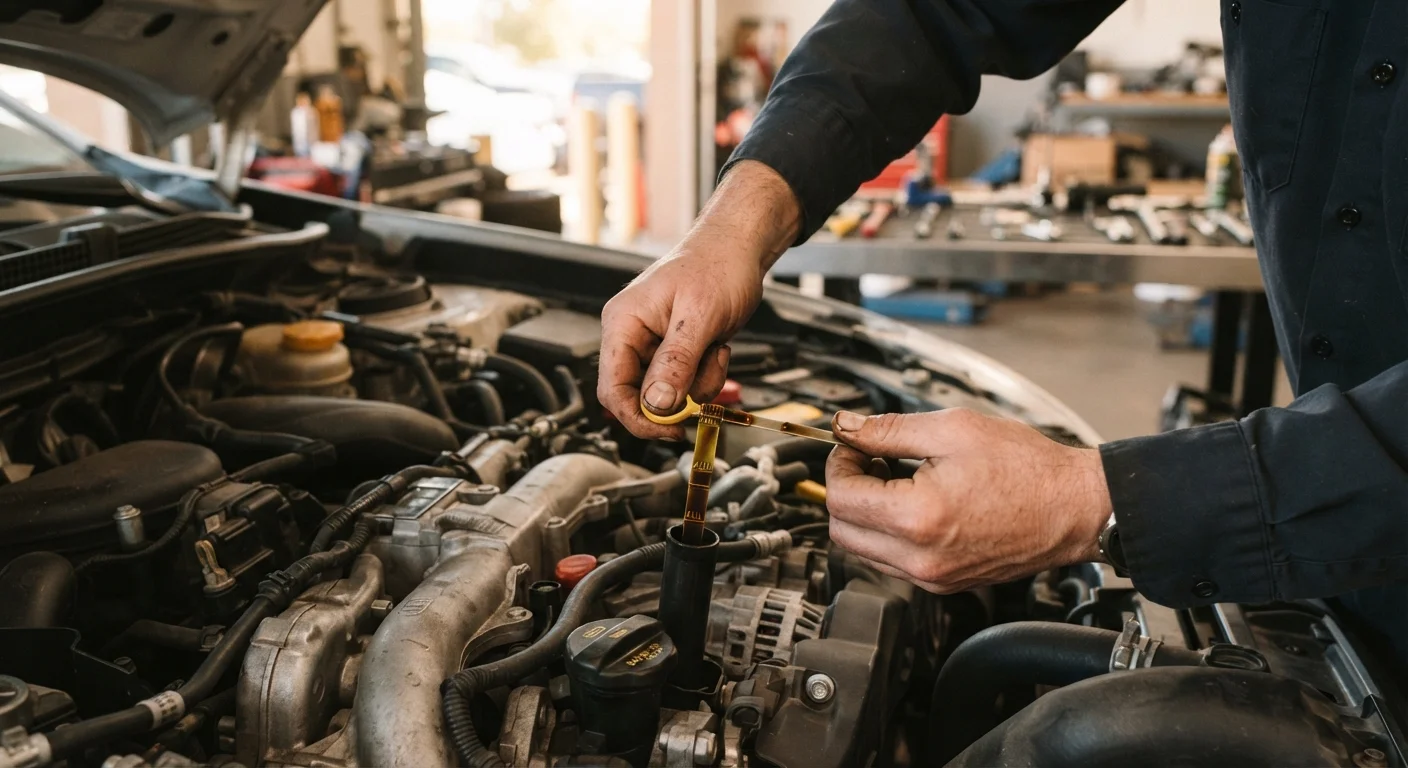
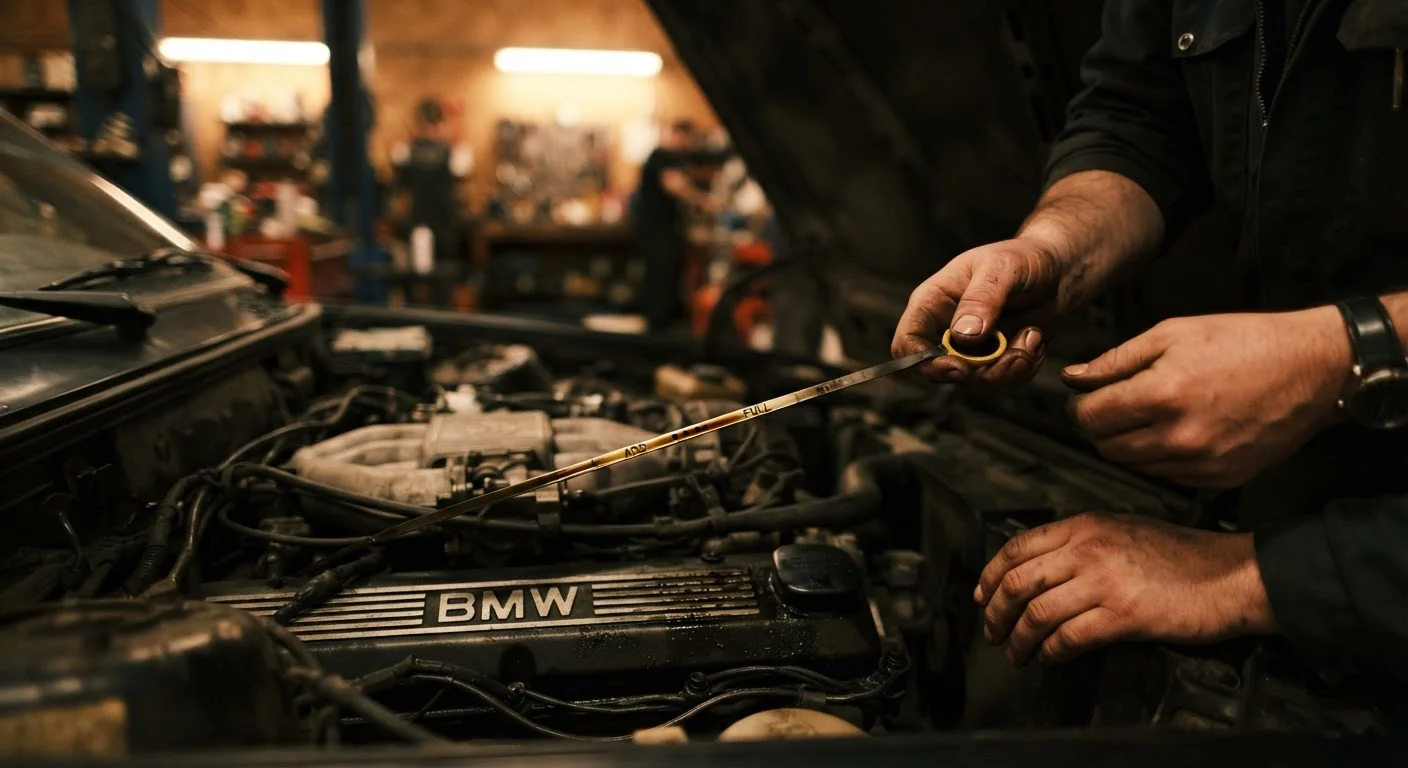
The 3,000-mile rule originated decades ago when conventional motor oil and engine tolerances were less advanced. Synthetic oils have significantly improved in their ability to maintain viscosity and resist breakdown over longer intervals. Your owner's manual - not a quick-lube reminder sticker - defines the correct interval for your vehicle. Changing oil more often than necessary doesn't harm the engine, but it does waste money and generates unnecessary used-oil waste. Conversely, stretching intervals far beyond the manufacturer's recommendation can accelerate wear.
Myth
The correct tire pressure for your car is printed on the sidewall of the tire.
Fact
The number on the tire sidewall is the maximum pressure the tire can safely hold - not the recommended operating pressure for your vehicle.
The correct tire pressure for your specific vehicle is printed on a sticker inside the driver's door jamb or in the owner's manual. Inflating tires to the sidewall maximum typically results in overinflation, which reduces the tire's contact patch with the road, creates a harsher ride, and can increase the risk of a blowout. Underinflation causes its own problems: reduced fuel economy, uneven tread wear, and handling issues. See how temperature affects tire pressure for a closer look at seasonal pressure changes.
Myth
As long as a car is running fine, skipping scheduled maintenance saves money without any real downside.
Fact
Deferred maintenance is one of the most reliable ways to turn a small, inexpensive service into a costly repair.
Scheduled maintenance exists to replace components before they fail, not after. Timing belts, for example, have a defined replacement interval; a snapped timing belt can destroy an engine entirely. Coolant, brake fluid, and transmission fluid degrade over time regardless of mileage. Understanding your vehicle's scheduled maintenance plan explains how manufacturer intervals are structured and why skipping services compounds over time.
Myth
Washing your car is purely cosmetic - it has no real effect on the vehicle's longevity.
Fact
Regular washing removes road salt, bird droppings, and other contaminants that actively corrode paint, metal, and undercarriage components.
In regions where roads are salted during winter, accumulated salt accelerates rust on brake lines, suspension components, and the vehicle frame - repairs that can run into hundreds or thousands of dollars. Bird droppings and tree sap are chemically acidic and can etch clear coat if left untreated. Regular washing, particularly of the undercarriage after winter driving, is a straightforward and low-cost form of preventive maintenance.
What Good Maintenance Actually Looks Like
Separating myth from fact points toward a straightforward principle: let the manufacturer's specifications - not automotive folklore - drive your maintenance decisions. Your owner's manual defines the correct oil type and interval, the required fuel grade, and the scheduled service milestones for your specific vehicle.
Always Follow Your Owner's Manual
Your vehicle's owner's manual is the most authoritative source for maintenance intervals, fuel requirements, and fluid specifications. Generic advice found online - including widespread automotive folklore - can conflict with what your specific engine actually needs. When in doubt, consult the manual or a qualified mechanic rather than relying on rules of thumb passed down from an earlier era of automotive technology.
Drivers who want a comprehensive look at what maintenance categories matter across a vehicle's life can find that in this end-to-end maintenance overview. And if you're weighing which tasks to handle yourself versus taking to a shop, knowing where to draw the line on DIY maintenance offers a grounded framework.
DIY Repairs Carry Real Risk
Some maintenance tasks, such as checking tire pressure or replacing wiper blades, are straightforward for most drivers. Others - including brake work, suspension repairs, and anything involving fuel or electrical systems - require professional tools and training. Attempting complex repairs without proper knowledge can cause injury or vehicle damage. When uncertain, have a qualified mechanic assess the work.
Maintenance costs are also one of the more underestimated components of total vehicle ownership. Understanding the true cost of owning a car puts routine upkeep into the broader picture of depreciation, insurance, and fuel - useful context for anyone evaluating whether to repair, keep, or replace a vehicle.
~$1,200
Average annual vehicle maintenance and repair cost
AAA's annual "Your Driving Costs" research has consistently placed average annual maintenance and repair expenses for US drivers in this range, though costs vary by vehicle age, type, and region.
Up to 10,000 mi
Typical full synthetic oil change interval
Many modern vehicle manufacturers specify full synthetic oil change intervals of 7,500 to 10,000 miles or more - well beyond the legacy 3,000-mile guideline.
~0.5 PSI
Tire pressure drop per 10°F temperature decrease
The U.S. Department of Energy notes that tire pressure typically falls roughly 1 PSI for every 10°F drop in ambient temperature, making seasonal checks especially important.