The Real Reasons Batteries Wear Out Early
A car battery is one of those components that tends to get attention only when it fails - usually at the worst possible moment. Most batteries carry a rated lifespan of three to five years, but real-world conditions and driver habits routinely cut that short. The good news is that most causes of premature battery failure are preventable once you know what to look for.
It's worth separating genuine wear from avoidable damage. Some battery degradation is simply chemistry at work - heat, cold, and repeated charge cycles all take a toll over time. But a significant portion of early failures trace back to specific habits and overlooked maintenance steps that compound quietly until the battery can no longer hold a charge. For a broader look at how service intervals factor into this, see your vehicle's scheduled maintenance plan.
Taking frequent short trips without allowing the battery to recharge fully.
Why it happens: Many drivers use their car primarily for quick errands - a few miles at a time - without realizing how little charging actually occurs during a short drive.
Leaving accessories running when the engine is off - including interior lights, phone chargers, or audio systems.
Why it happens: It's easy to forget a dome light or leave a device plugged into a USB port overnight, particularly in vehicles where these circuits stay live after the ignition is turned off.
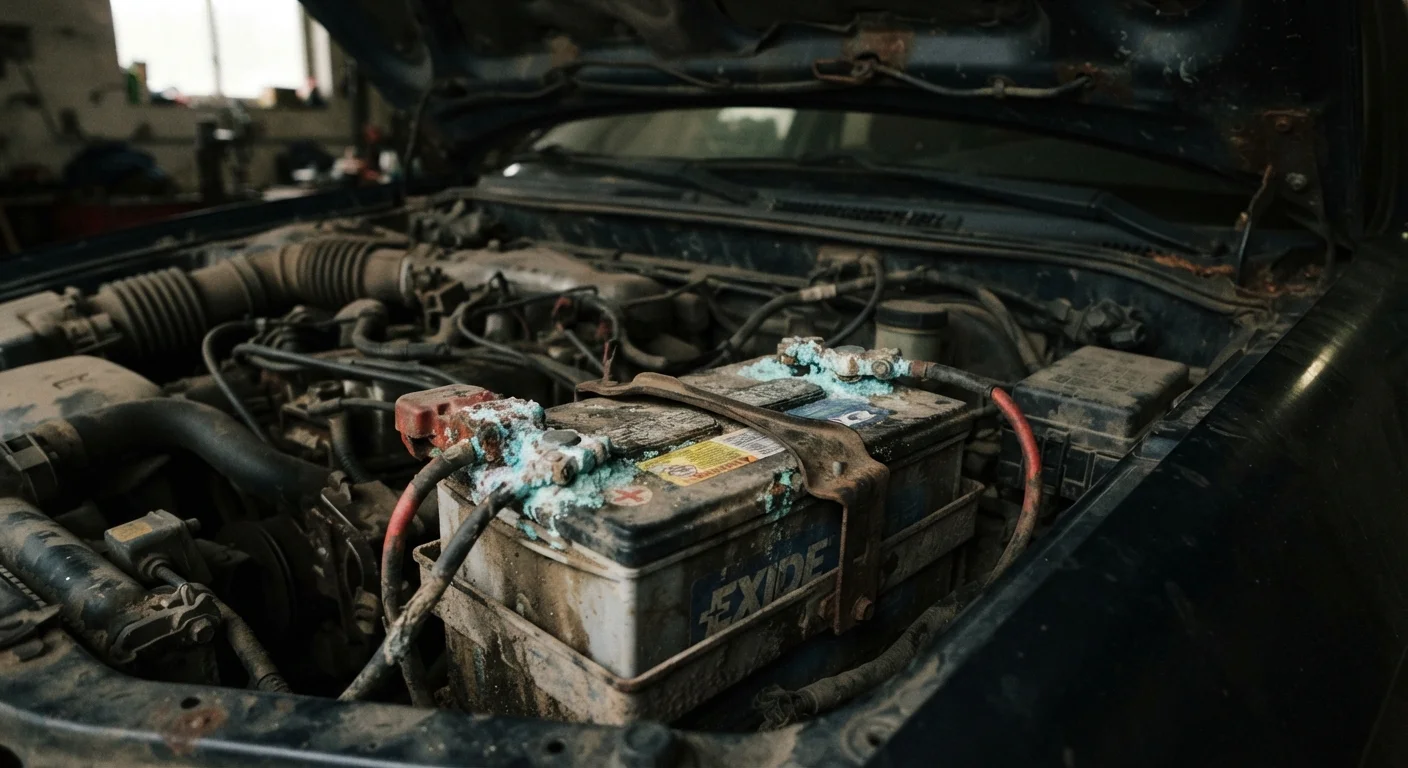
Ignoring corroded or loose battery terminals.
Why it happens: Terminal corrosion builds gradually and is easy to overlook during routine visual checks, especially if the battery tray isn't part of anyone's regular inspection habit.
Parking in extreme temperatures without precaution - particularly persistent cold or sustained heat.
Why it happens: Drivers don't control the weather, so temperature effects on batteries often feel unavoidable and therefore get dismissed entirely.
Skipping battery testing during routine service visits.
Why it happens: Battery testing is sometimes treated as an add-on rather than a standard check, and many drivers don't know to request it.
Leaving a vehicle parked and unused for extended periods without any maintenance strategy.
Why it happens: Owners of seasonal or rarely driven vehicles often assume inactivity means no wear - but batteries self-discharge over time even without use.
What You Can Do Starting Today
Addressing battery longevity doesn't require expensive equipment or technical expertise. The most effective steps involve changing a few habits and building battery checks into your existing maintenance routine.
Don't Ignore Warning Lights or Slow Cranking
A battery warning light, sluggish engine crank, or dimming headlights at idle are early signals worth acting on - not dismissing. Waiting for a complete failure often means being stranded. Have the battery and charging system tested promptly at a shop if any of these symptoms appear.
If your vehicle sits unused for extended stretches, that alone is one of the more underappreciated threats to battery health. Low-mileage vehicles face their own set of maintenance challenges - and the battery is typically first to suffer. A battery maintainer is a low-cost solution worth considering.
It's also worth questioning assumptions you may have absorbed over the years. Some widely held car care beliefs don't hold up under scrutiny - the maintenance myths that cost drivers real money article covers several of these, including practices that can indirectly stress your battery and charging system.
A Weak Battery Can Damage Your Alternator
When a battery is severely discharged, the alternator works harder to compensate - generating excess heat that accelerates its own wear. What starts as a battery problem can become a costlier alternator repair. If your battery is struggling, have both components tested by a qualified mechanic before assuming a simple replacement will resolve everything.
Finally, treat battery health as part of your overall vehicle awareness rather than an isolated concern. Worn spark plugs, failing belts, and stressed hoses can all increase the electrical load your battery must support - making overlooked wear components relevant to battery life as well. A well-maintained vehicle supports a longer-lived battery - and vice versa.
3-5 years
Typical car battery lifespan
Industry guidance from automotive service organizations generally places average battery life between three and five years under normal operating conditions.
~50%
Reduction in cold-cranking ability at 0°F
Automotive engineering references indicate that battery cranking power can drop by roughly half in severely cold temperatures compared to performance at 80°F.