Why Root Depth Matters More Than Frequency
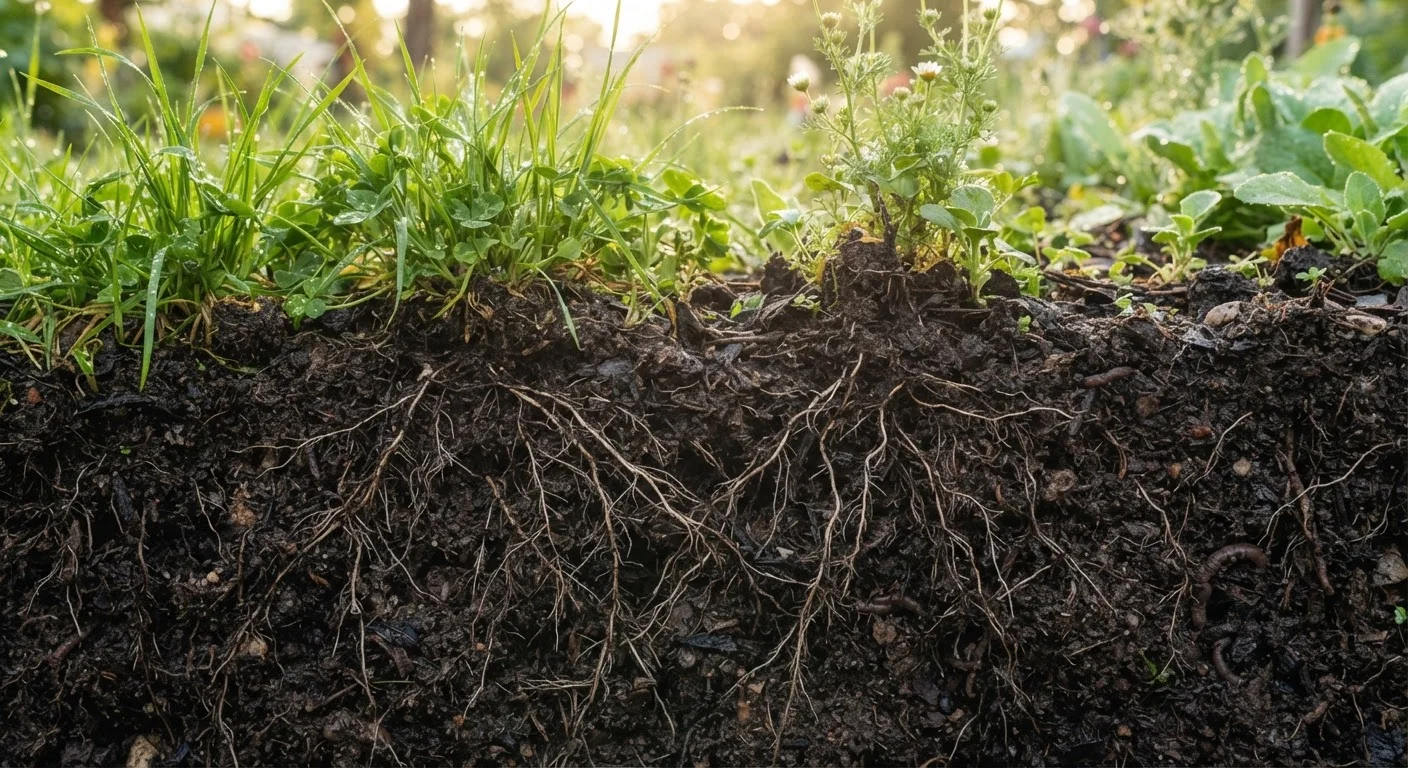
Most homeowners water their lawn or garden on habit - a quick daily sprinkle that keeps the surface moist. The problem is that shallow watering trains roots to stay near the surface, where soil dries out fastest and temperatures swing most dramatically. Shallow-rooted plants struggle in heat, are more vulnerable to drought, and generally require more intervention over time.
The goal of good watering practice is root depth. When water penetrates 6 to 8 inches into the soil, roots follow it downward. Deeper roots can access moisture stored in lower soil layers, making plants more self-sufficient during dry spells. This principle applies to lawns, vegetable gardens, and ornamental beds alike.
Understanding your soil type is the first step. Sandy soils absorb water quickly but drain fast, requiring slightly more frequent watering at higher volumes. Clay-heavy soils absorb water slowly and hold it longer - watering too fast causes runoff before water can percolate. If your lawn or garden isn't responding to good habits, soil health may be the underlying issue.
Core Watering Practices Worth Adopting
The following practices reflect broadly supported horticultural guidance. Not every approach suits every yard - adjust based on your climate, soil, and plant types.
Water deeply but infrequently - aiming for soil moisture at 6 to 8 inches depth.
Deep watering encourages roots to grow downward rather than clustering near the surface. Surface-dependent roots are more vulnerable to heat, wind, and drought because the top inch of soil dries out fastest.
Water in the early morning, before 9 a.m. where possible.
Morning watering minimizes evaporation loss compared to midday watering, when sun and heat can claim a significant share of water before it reaches roots. It also allows foliage to dry quickly, reducing fungal disease risk.
Apply 2 to 3 inches of mulch around plants and garden beds.
Mulch slows surface evaporation, moderates soil temperature, and helps maintain consistent moisture levels between watering sessions. It also suppresses weeds that compete with plants for water.
Use the finger test or a soil moisture meter before watering.
Visual cues alone are unreliable indicators of soil moisture. Checking soil directly prevents unnecessary watering when moisture is already adequate, reducing both water waste and root stress.
Adjust watering schedules seasonally, not just in summer.
Plants need less water during cooler, cloudier months when evaporation slows and growth rates drop. Continuing a summer schedule into fall leads to overwatering and potentially root rot.
Group plants with similar water needs together in beds.
Planting thirsty vegetables near drought-tolerant ornamentals forces a compromise - one group is consistently over- or under-watered. Grouping by water need makes zoned watering practical and efficient.
Quick Habits You Can Start This Week
You don't need new equipment or a full landscaping overhaul to water more effectively. Several small adjustments can produce meaningful results within a single growing season.
For homeowners considering a more systematic upgrade, comparing delivery methods is worth the time. Our overview of drip irrigation vs. sprinkler systems covers the key tradeoffs between the two most common setups.
Common Mistakes That Undercut Good Watering
Even well-intentioned watering routines can cause problems when a few common errors are in play.
Watering at night keeps foliage wet for extended hours, creating conditions where fungal diseases thrive. Early morning is consistently recommended because water reaches roots before peak evaporation and plant surfaces dry out quickly as the day warms.
Ignoring rainfall is a surprisingly common issue. Running an irrigation schedule regardless of recent rain adds unnecessary water, compresses soil, and can suffocate roots. A simple rain gauge - or a weather-connected smart controller - helps avoid this.
Assuming wilting means thirst isn't always accurate. Wilting can also indicate root rot from overwatering, or simply a plant's midday stress response in high heat. Overwatering causes more garden failures than many homeowners expect, and the signs are often easy to misread.
Soil Compaction Can Block Water Penetration
If water consistently puddles or runs off rather than soaking in, compacted soil may be the cause - not watering technique. Compaction physically prevents water from moving downward, meaning even well-timed, adequate watering doesn't reach root depth. Core aeration opens channels in compacted soil, improving both water infiltration and root growth.
If your lawn isn't absorbing water evenly - water pools, runs off, or seems to disappear before reaching depth - aeration may be needed to relieve soil compaction. Compacted soil physically blocks downward water movement, undercutting even the best watering habits.