
Why Renovation Assumptions Are So Costly
Home renovation is one of the largest discretionary expenses most US homeowners will ever take on. It's also one of the most assumption-driven. Beliefs passed down through social circles, fueled by renovation television, or extrapolated from a neighbor's experience can quietly shape a budget before a single contractor is called.
The problem is that many of these beliefs don't hold up when measured against how renovations actually play out. Overspending on renovations is rarely caused by a single poor decision - it's usually the result of several plausible-sounding assumptions stacking on top of each other. Understanding where those assumptions go wrong is the first step toward planning with clearer eyes.
For a parallel look at how this type of thinking affects financial planning more broadly, see common budgeting myths that operate on similarly shaky foundations.
Myth
Renovating always adds more value than it costs, so it's essentially an investment.
Fact
Most renovations return less than their cost at resale, and returns vary significantly by project type, local market, and home condition.
Industry data consistently shows that few renovation projects recoup 100% of their cost at resale. Remodeling Magazine's annual Cost vs. Value report, which surveys contractors and real estate professionals across the US, regularly finds midrange kitchen and bathroom remodels returning between 60-80% of their cost - and upscale versions typically less. The actual return depends heavily on local comparable sales, how overbuilt the renovation is for the neighborhood, and whether the home had deferred maintenance that should have come first.
Treating renovation as a financial investment rather than a lifestyle improvement often leads homeowners to overspend on finishes they expect the market to reward - and the market frequently does not.
Myth
DIY saves significant money on any renovation project.
Fact
DIY can reduce costs on appropriate tasks, but scope creep, code violations, and rework often eliminate those savings - and can add costs.
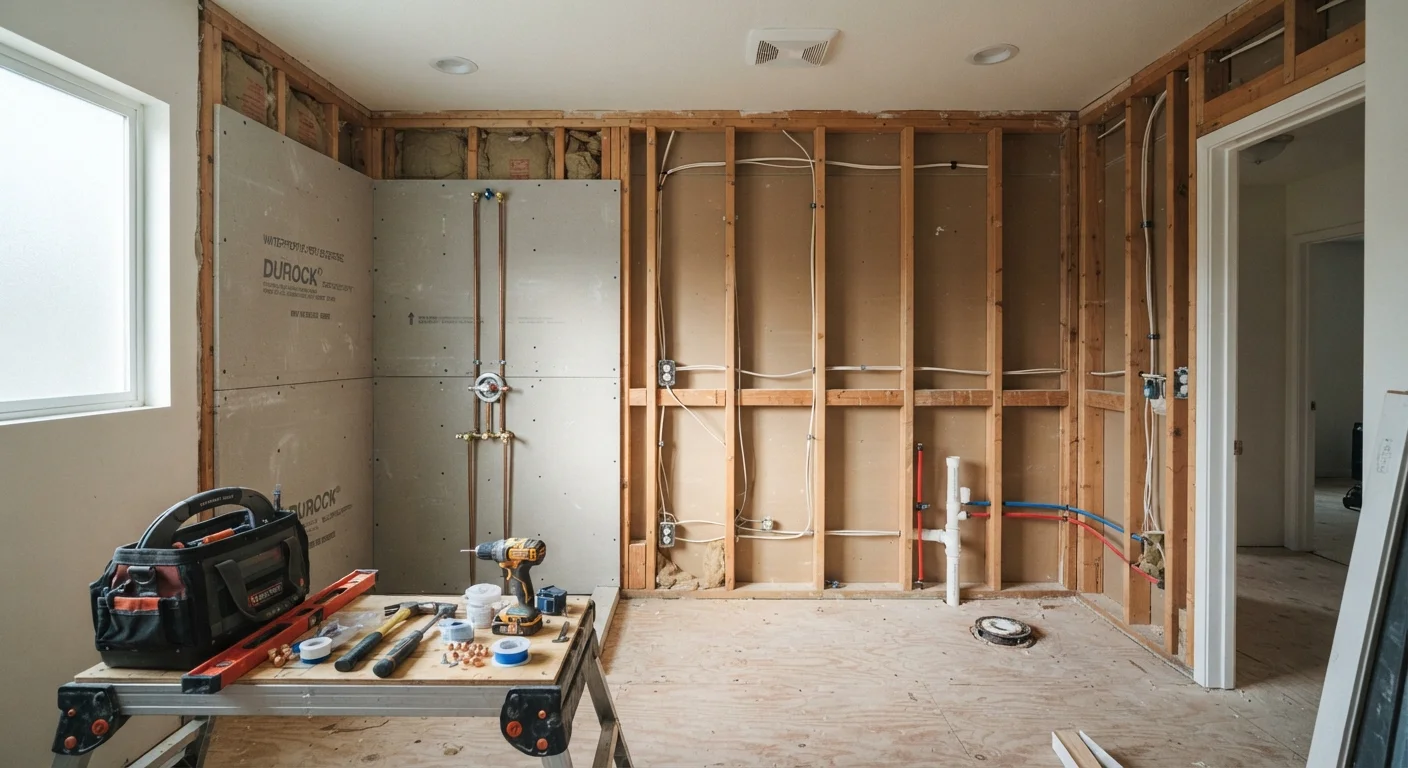
Labor is a real cost, and doing work yourself can meaningfully reduce it for tasks like painting, tiling a backsplash, or installing trim. However, DIY becomes costly when it involves work requiring permits, licensed trades (electrical, plumbing, structural), or skills that take years to develop. Mistakes in these areas can require professional correction, which often costs more than hiring a professional from the start.
Local building codes in most US jurisdictions require licensed contractors for electrical panel work, gas lines, and load-bearing modifications. Unpermitted work can complicate home sales, void insurance claims, and trigger fines. The savings calculation needs to include those risk factors honestly.
Myth
The first contractor quote is a reliable baseline for budgeting.
Fact
Single quotes are rarely comprehensive; hidden costs and scope gaps are common, and multiple itemized quotes are needed for an accurate picture.
A contractor's initial quote often reflects a best-case scenario: no unexpected subfloor damage, no hidden plumbing rerouting, no asbestos or lead paint remediation in older homes. These conditions are discovered after work begins, and the resulting change orders are a primary driver of renovation overruns.
Getting three itemized quotes - not lump-sum figures - allows for meaningful comparison and reveals what each contractor is and isn't accounting for. It also creates an opportunity to ask directly: what contingencies should I plan for that aren't in this quote?
Myth
Premium finishes and appliances significantly boost resale value.
Fact
High-end finishes generally don't add proportional resale value, especially in neighborhoods where comparables don't support the price point.
Buyers and appraisers assess value based on comparable sales in the surrounding area. A $20,000 custom kitchen in a neighborhood where homes sell for $250,000 will not be valued the same way it would in a $700,000 market. Appraisers are constrained by what nearby homes have sold for, regardless of what a renovation cost.
This doesn't mean quality finishes have no value - durability and livability matter. But the assumption that premium materials translate to a proportional resale premium is frequently wrong, and budgeting on that expectation often leads to overspending relative to realistic return.
Myth
You don't need a permit for interior renovations.
Fact
Many interior projects - including electrical, plumbing, HVAC changes, and structural modifications - legally require permits in most US jurisdictions.
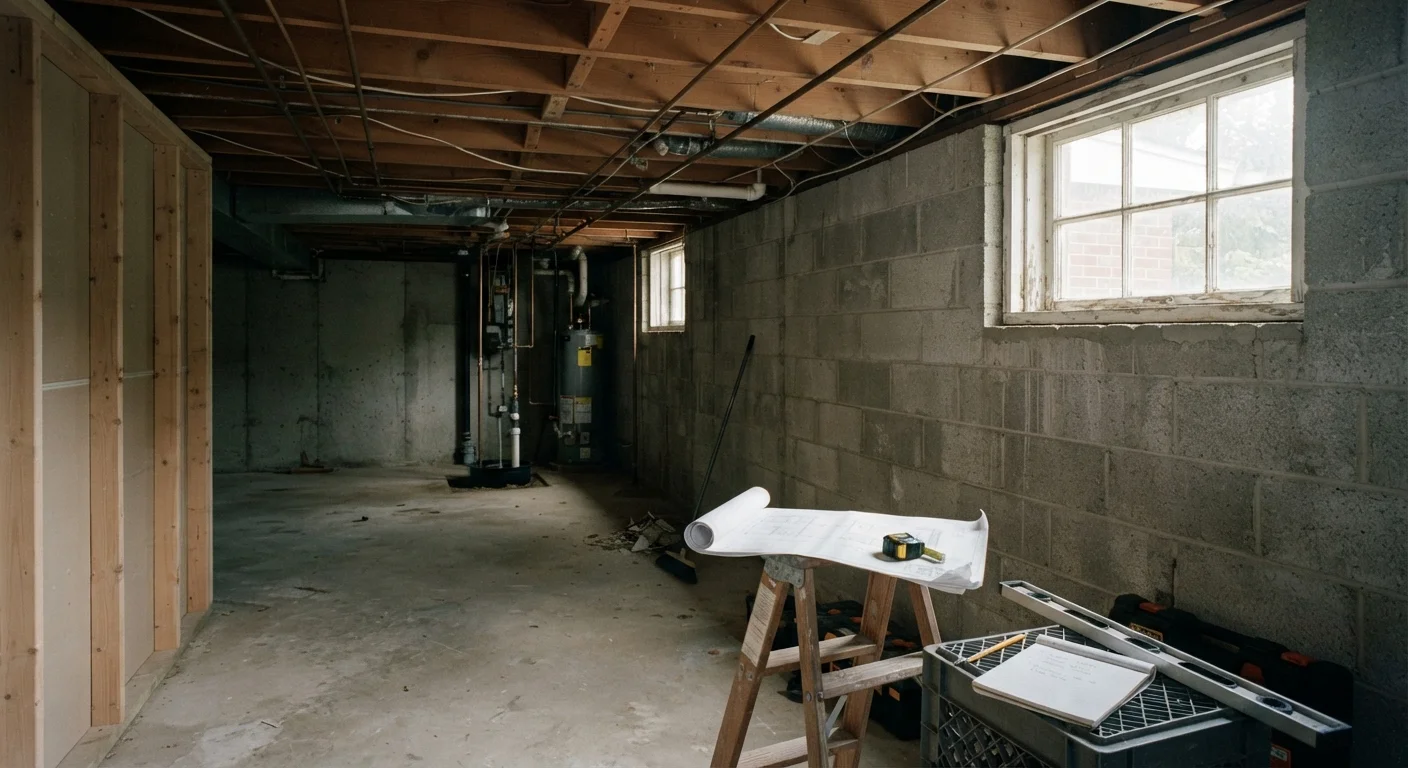
The permit requirement varies by municipality, but the list of commonly permitted work is longer than most homeowners expect. Finishing a basement, adding a bathroom, moving a load-bearing wall, upgrading an electrical panel, and installing a new HVAC system typically require permits almost everywhere in the US.
Skipping permits doesn't just carry legal risk during the project - it can create significant problems at resale. Buyers' inspectors often flag unpermitted work, lenders may refuse to finance homes with open permit issues, and sellers may be required to disclose known unpermitted work. The cost of retroactive permitting and bringing work up to code after the fact routinely exceeds what the permit would have cost initially.
Protecting Your Budget Before Work Begins
The myths outlined above tend to cluster around three failure points: overestimating returns, underestimating costs, and misreading what's legally or structurally required. Addressing all three before finalizing a scope of work is the most reliable way to avoid budget overruns.
Unpermitted Work Can Create Serious Problems at Resale
If a previous owner - or you - completed work without required permits, it can surface during a buyer's inspection, complicate your title, or trigger lender concerns. In some cases, sellers are legally required to disclose known unpermitted work. Before beginning any renovation, verify permit requirements with your local building department. Retroactive compliance is almost always more expensive than permitting upfront.
Start by requesting itemized quotes rather than lump-sum estimates - this makes it far easier to spot where assumptions are being baked in. Ask contractors explicitly what is not included in the quote, and whether permit fees are separate. Build a contingency line of at least 10-20% into any budget, not as padding, but as a reflection of how often hidden conditions emerge once walls are opened.
For projects that involve interior walls, it's especially important to verify structural implications early. Our guide on load-bearing walls explains what to assess before any demolition work begins. Similarly, kitchen renovations - one of the most assumption-heavy projects - benefit from a detailed cost breakdown; see kitchen renovation costs and trade-offs for a room-by-room look.
~66%
Average cost recouped on midrange kitchen remodel at resale
According to recurring findings in Remodeling Magazine's Cost vs. Value reports, most kitchen renovations return well under their full cost when a home is sold.
10-20%
Recommended renovation contingency buffer
Construction industry guidance widely recommends setting aside 10-20% above the quoted project cost to account for hidden conditions and change orders.
Finally, decisions about layout changes - like removing walls for open-plan living - carry more trade-offs than most homeowners anticipate upfront. Open-plan living trade-offs are worth reviewing before committing to structural changes. And if your renovation intersects with home systems like HVAC or plumbing, home systems ownership assumptions covers a related set of costly misconceptions.