Why a Pre-Purchase Inspection Matters
Used vehicles are sold in widely varying condition, and visual impressions rarely tell the full story. A car can look clean, drive reasonably well on a short test drive, and still carry hidden problems - worn brake hardware, a leaking differential, frame damage from a prior collision, or an engine consuming oil. A pre-purchase inspection (PPI) is a structured evaluation performed by an independent mechanic before you finalize a purchase, designed to surface exactly these kinds of issues.
The cost is modest relative to the stakes. Most independent shops charge between $100 and $200 for a thorough inspection, while the repairs they might identify can run into the thousands. Think of it as a small, fixed cost that reduces the uncertainty of a much larger financial decision.
A PPI complements - but does not replace - a vehicle history report. History reports document what was reported: prior accidents, title changes, odometer readings. A mechanic documents what is present: the actual condition of components right now. Both perspectives matter, especially for private-party purchases, where the buyer carries more risk than in a dealership transaction.
Certified Pre-Owned Vehicles Still Benefit from a PPI
Even vehicles sold under a certified pre-owned (CPO) designation have passed manufacturer or dealer inspections - but those inspections are conducted by parties with a financial interest in the sale. An independent PPI adds an unbiased second opinion. If you are comparing CPO and non-CPO used vehicles, our guide to what the CPO label actually guarantees explains what those programs do and do not cover.
How to Arrange and Conduct the Inspection
Follow these steps to set up and complete a pre-purchase inspection efficiently.
What you will need
Find an independent mechanic - not one suggested by the seller
Search for an independent repair shop near where the vehicle is located. Look for shops with ASE-certified technicians (ASE stands for Automotive Service Excellence, an industry credential). Avoid using a mechanic recommended by the seller, as that creates an obvious conflict of interest. If you are buying from a private seller in an unfamiliar area, search for shops with strong local reviews and call ahead to confirm they perform pre-purchase inspections.
Contact the seller to arrange access
Let the seller know you want to have the vehicle independently inspected before finalizing the purchase. Frame it as a routine step - because it is. Arrange a time for the vehicle to be driven to the shop or, if you are purchasing from a dealership, confirm they will allow the car to leave the lot briefly. Some shops will also conduct inspections at the seller's location for an additional fee.
Brief the mechanic on known history
Share the vehicle history report findings with the mechanic before or at the appointment. If the report flagged a prior collision, ask them to pay particular attention to frame alignment and panel gaps. If the vehicle has unusually high mileage, ask for close attention to engine compression and transmission condition. Directing their focus based on what you already know makes the inspection more efficient and targeted.
Attend the inspection if possible
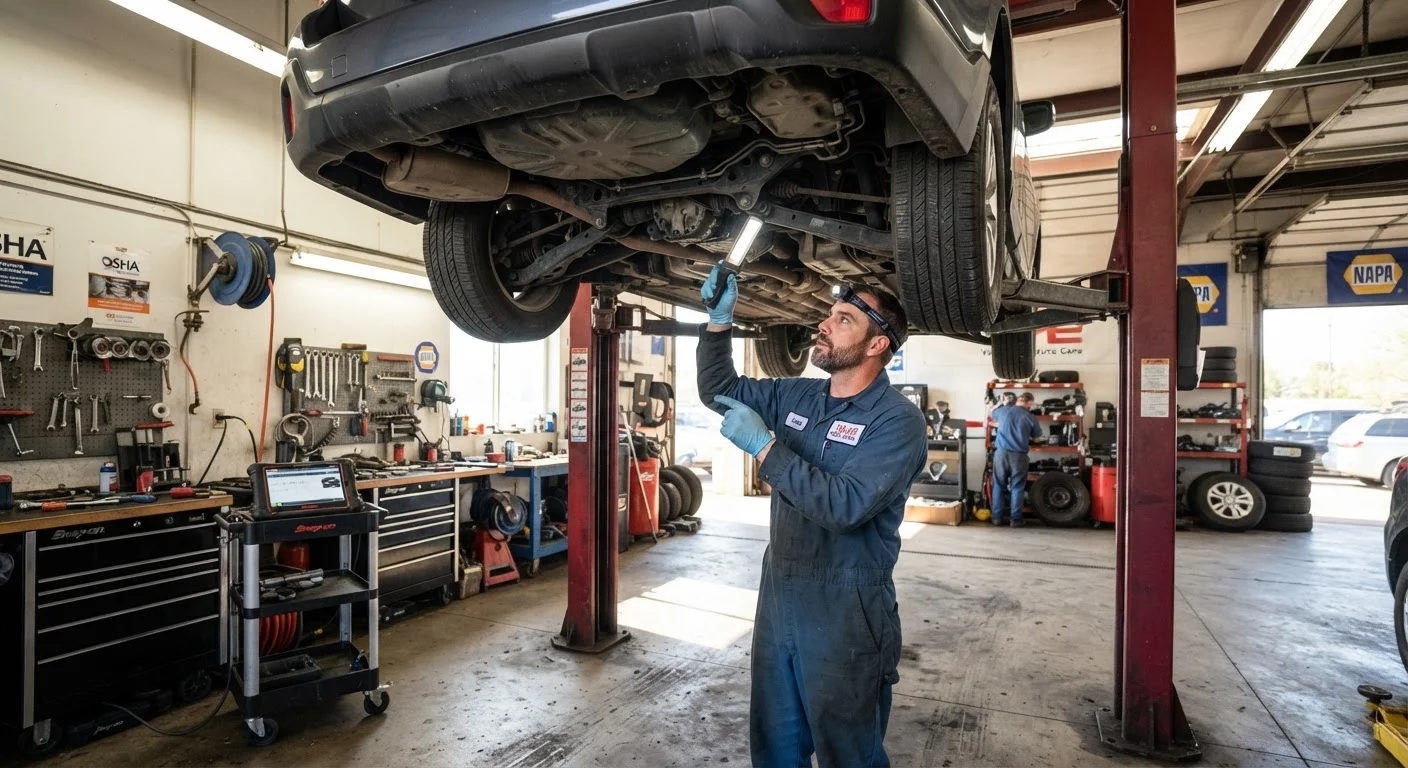
Being present allows you to ask questions in real time and see issues firsthand rather than relying solely on a written report. Most mechanics will walk an engaged buyer through what they are observing on the lift. This direct observation is particularly useful for understanding the severity of findings - seeing minor surface rust versus structural corrosion, for example, is far more informative than reading about them.
Request a written summary of all findings
Before leaving the shop, ask for a written report - even if it is a brief printed or emailed list of items checked and any concerns noted. This documentation is useful for three purposes: understanding the vehicle's condition, negotiating with the seller, and keeping a maintenance record if you do proceed with the purchase. Verbal summaries are easy to misremember; written records are not.
Check Certifications Before You Book
When selecting a shop for a PPI, ask whether their technicians hold ASE certifications relevant to the vehicle type - for example, if you are buying a diesel truck, look for diesel-specific credentials. A shop experienced with the make and model you are inspecting will be better positioned to identify brand-specific issues. Online reviews that mention pre-purchase inspections specifically are also a useful filter.
Reading the Results and Deciding What to Do
After the inspection, the mechanic will typically provide a written report or walk you through their findings verbally. Ask for written documentation of every concern, including severity ratings if the shop provides them. Common findings fall into three categories:
- Safety-critical items - brake wear below minimums, tire condition, suspension play, fluid leaks near exhaust. These require immediate attention regardless of when you buy.
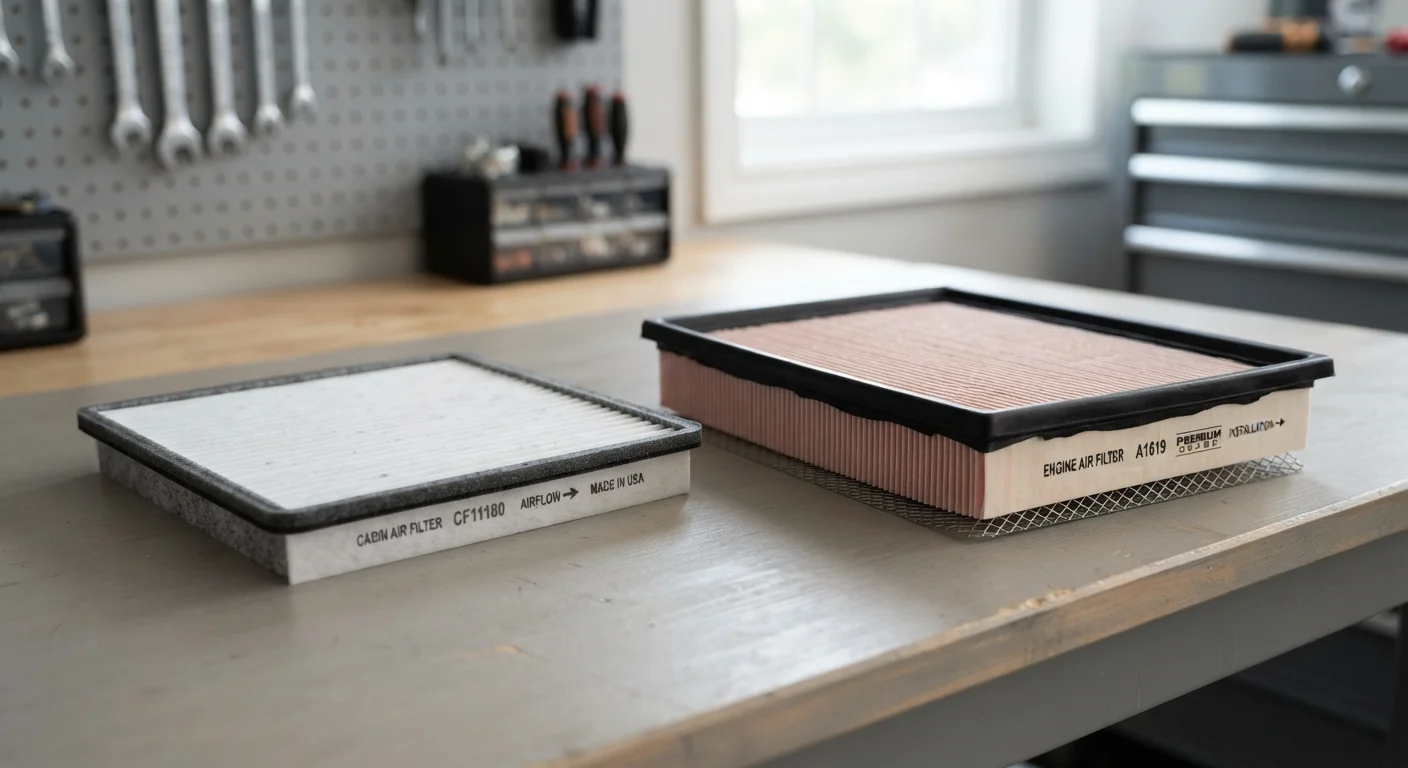
- Maintenance items - filters, belts, worn wiper blades, aging coolant. Often manageable, but useful for negotiating price or requesting the seller address them before sale.
- Monitoring items - minor surface rust, slight oil seepage, an older battery. Not urgent, but worth tracking.
Use the report as a negotiating tool. If the inspection reveals $1,200 in needed repairs, you have a documented, professional basis for asking the seller to reduce the price accordingly or make the repairs before closing. Neither outcome is guaranteed, but the report gives you a factual foundation rather than a hunch.
If findings are serious - structural damage, major drivetrain wear, signs of undisclosed flood or fire - it is generally reasonable to walk away. The car-buying process always includes the option of declining a vehicle that does not meet your standards.
For buyers weighing whether a used vehicle or a new one better suits their situation, the inspection findings can inform that broader decision as well. See our guide to new vs. used trade-offs for context on how to weigh that choice.
This article is for general informational purposes only and does not constitute financial, legal, or professional automotive advice. Consult a qualified mechanic for guidance specific to any vehicle you are considering.