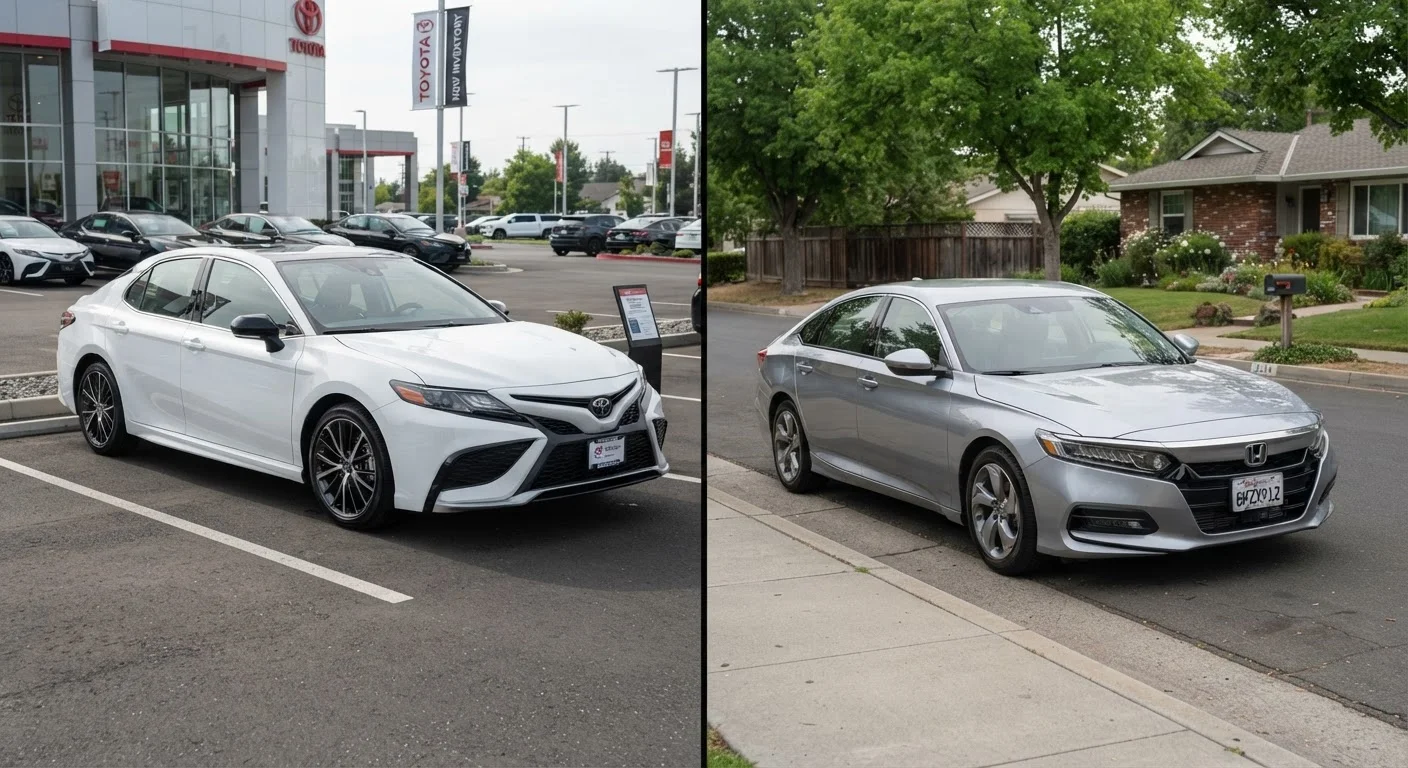
The Depreciation Reality Both Buyers Need to Understand
Depreciation is the single largest cost most car owners never see on a bill - yet it shapes the financial outcome of every purchase. A new vehicle can lose a significant portion of its value in the first year alone, with the steepest drop typically occurring in years one through three. Used buyers who purchase a vehicle after that initial plunge sidestep the heaviest loss.
That said, depreciation also works in reverse: a well-chosen used vehicle retains more of its remaining value proportionally, especially if it has a strong ownership record. Understanding this curve before you shop puts you in a far stronger position. For a detailed explanation of how the math actually works, see how car depreciation works and why it matters.
| Criterion | New Car | Used Car |
|---|---|---|
| Purchase Price | Higher - full market value | Lower - post-depreciation value |
| Depreciation Exposure | Steepest in years 1-3 | Buyer avoids initial drop |
| Manufacturer Warranty | Full coverage included | Usually limited or none |
| Loan Interest Rates | Generally lower | Generally higher |
| Insurance Cost | Higher (greater replacement value) | Typically lower |
| Vehicle History | Fully known from day one | Requires verification |
| Available Features | Latest safety & tech | Varies by model year |
Warranties, Financing, and Hidden Costs
New vehicles come with manufacturer warranties - typically a bumper-to-bumper coverage period and a separate powertrain warranty - that substantially reduce out-of-pocket repair risk early in ownership. Used vehicles usually arrive with little or no remaining factory coverage, though certified pre-owned (CPO) programs offer a manufacturer-backed middle ground.
Financing tells a similar nuanced story. New-car loans frequently carry lower interest rates than used-car loans, sometimes substantially so, because lenders view new vehicles as lower-risk collateral. However, the loan balance is larger, so even a lower rate can mean higher total interest paid over the life of the loan.
Insurance is another variable buyers often underestimate. Because a new car costs more to replace, insurers charge higher premiums for comprehensive and collision coverage. A used vehicle's lower market value typically reduces that cost - though liability rates depend on the driver, not the car. For a fuller picture of every ongoing expense, understanding the true cost of owning a car walks through what purchase price alone never reveals.
~20%
Typical first-year value loss for new vehicles
Industry estimates commonly cited by automotive valuation services suggest new cars can lose roughly 15-20% of value within the first year of ownership.
1-2%+
Typical rate premium on used vs. new auto loans
According to Federal Reserve consumer credit data, interest rates on used-car loans have historically run higher than new-car loan rates across most credit tiers.
3-5 yrs
Common bumper-to-bumper warranty length on new vehicles
Most major automakers selling in the US market offer bumper-to-bumper warranties in the three- to five-year range, though terms vary by manufacturer.
Evaluating a Used Car's Real Condition
The single biggest risk in buying used is unknown history. A vehicle that looks clean on the surface may have undisclosed accident repairs, deferred maintenance, or title problems. Mitigating that risk requires a few concrete steps: reviewing a vehicle history report, arranging a pre-purchase inspection by an independent, qualified mechanic, and verifying the title status before any money changes hands.
Where you buy matters too. Private sellers typically offer lower prices but fewer legal protections, while dealerships carry more regulatory obligations and may offer limited guarantees. If you're weighing those routes, our breakdown of private seller vs. dealership purchases covers the trade-offs honestly. And if you encounter common assumptions about how car deals work - like negotiating only on monthly payment - car-buying myths that cost drivers money is worth reviewing before you negotiate.
This article provides general information for educational purposes and is not personalized financial or purchasing advice. Costs, rates, and vehicle values vary by market, region, and individual circumstances. Consult a qualified professional for guidance specific to your situation.