How Price and Value Differ Between the Two Channels
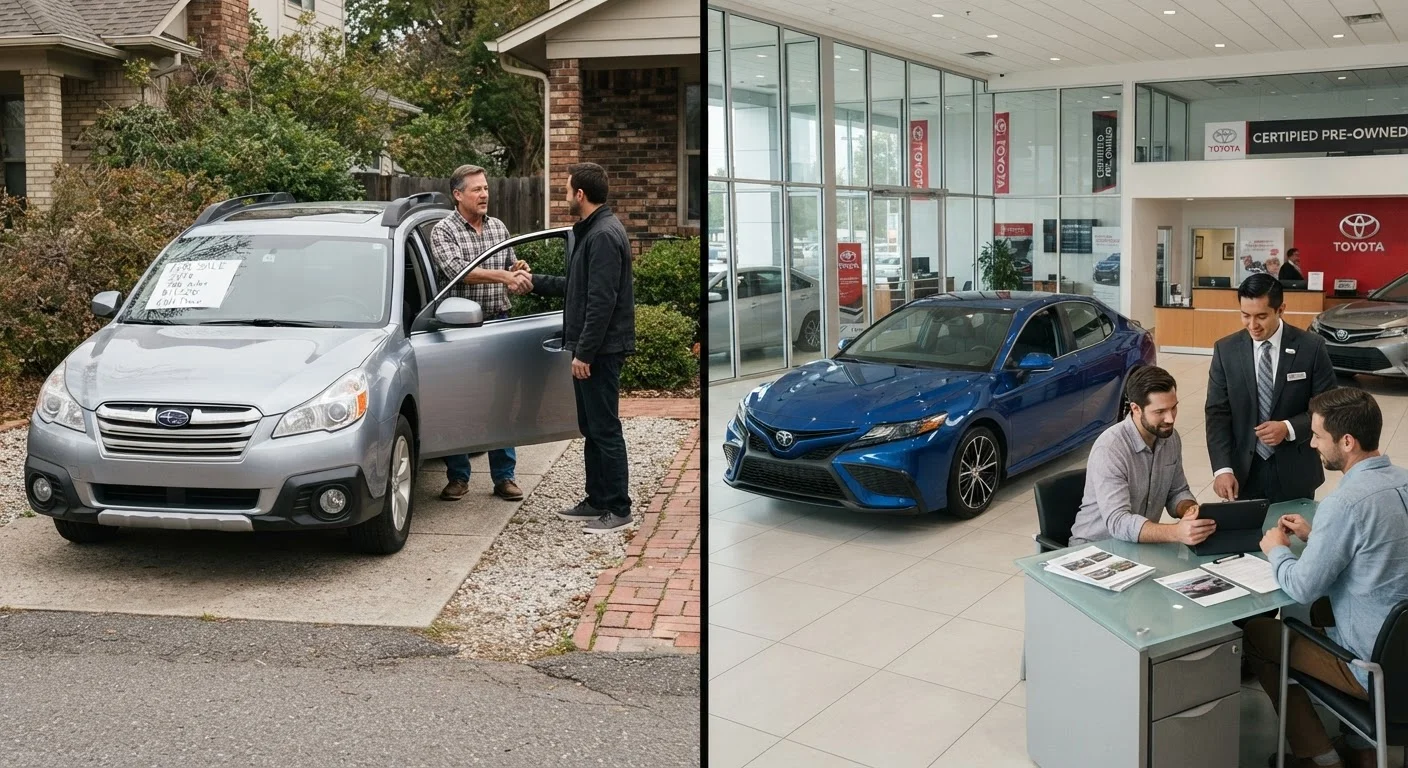
The sticker price is usually lower at a private sale than at a dealership for the same vehicle and mileage. Private sellers aren't recovering reconditioning costs, lot fees, or sales staff commissions. That gap can realistically range from a few hundred to several thousand dollars depending on market conditions and vehicle desirability.
However, the effective cost of a dealership purchase is rarely just the sticker price. Documentation fees, dealer prep charges, and optional add-ons - extended warranties, paint protection, GAP insurance - can materially increase what you actually pay. Understanding which fees are negotiable and which are not before you sit down at the finance desk is worth the preparation time.
On the private side, the absence of add-on fees doesn't mean the price is final either. Private sellers often price with negotiation room built in, and many will accept less if the vehicle has been sitting. Knowing current market values - using third-party valuation tools - gives you a credible basis for any counter-offer.
| Criterion | Private Seller | Dealership | |
|---|---|---|---|
| Typical listing price | Generally lower | Generally higher | |
| Added fees | Minimal to none | Documentation, prep, add-ons common | |
| Warranty coverage | Rarely included | As-is or limited/CPO warranty available | |
| Legal protections | Limited (as-is in most states) | FTC Buyers Guide required | |
| Financing availability | Usually cash or outside loan | On-site financing offered | |
| Title/paperwork handling | Buyer's responsibility | Handled by dealer | |
| Transaction complexity | Higher - requires more research | Lower - structured process |
Protections, Warranties, and Legal Standing
This is where the two channels diverge most significantly. In most U.S. states, private sales are treated as "as-is" transactions by default. Once you drive away, your legal recourse is limited unless you can demonstrate deliberate misrepresentation or fraud - a high bar to clear. There is no implied warranty of merchantability in most private used-car sales.
Dealerships selling used vehicles are subject to the FTC Used Car Rule, which requires them to display a Buyers Guide disclosing whether the vehicle is sold as-is or with a warranty and what that warranty covers. Certified Pre-Owned (CPO) vehicles sold through franchised dealerships carry additional manufacturer-backed warranties, though the specifics vary considerably by brand. What a CPO label actually guarantees is worth examining carefully before that designation influences your decision.
Title transfer is another dimension. Dealerships handle the paperwork, lien checks, and DMV filings as part of the transaction. In a private sale, the buyer is responsible for verifying a clean title, confirming no outstanding loans, and completing registration independently - steps that are manageable but require attention.
Verify Title Status Before Any Money Changes Hands
A salvage title, rebuilt title, or undisclosed lien can create serious financial and legal problems after a private sale. Run the VIN through a reputable history reporting service and, where possible, request a lien release letter from the seller's lender before closing. In some states, buying a vehicle with an undisclosed lien can leave you responsible for that debt or cost you the vehicle entirely.
Financing, Convenience, and the Overall Experience
Most private sellers require cash or a cashier's check, though some buyers arrange their own financing through a credit union or bank before approaching a seller. Dealerships offer on-site financing, which is genuinely convenient - but that convenience comes with its own considerations. Dealer-arranged financing sometimes carries a markup above the rate the lender actually approved, a practice that is legal but not always disclosed. Common assumptions about dealer financing can work against buyers who don't arrive with a competing loan offer in hand.
The transaction experience itself varies. Dealerships provide a structured environment: test drives are easy to arrange, vehicle history reports are usually provided, and there's a clear process from offer to paperwork. Private transactions are less predictable - sellers vary widely in how much documentation they've kept, and arranging a pre-purchase inspection requires more coordination.
That said, private sales move faster when they go smoothly. Without multiple staff handoffs or finance department queues, a private deal can close in a single afternoon. For buyers who know what they want and have done their research, that efficiency has genuine appeal. See the full car-buying process for a stage-by-stage view of what each route involves from budget-setting through final signature.
Always Request an Independent Pre-Purchase Inspection
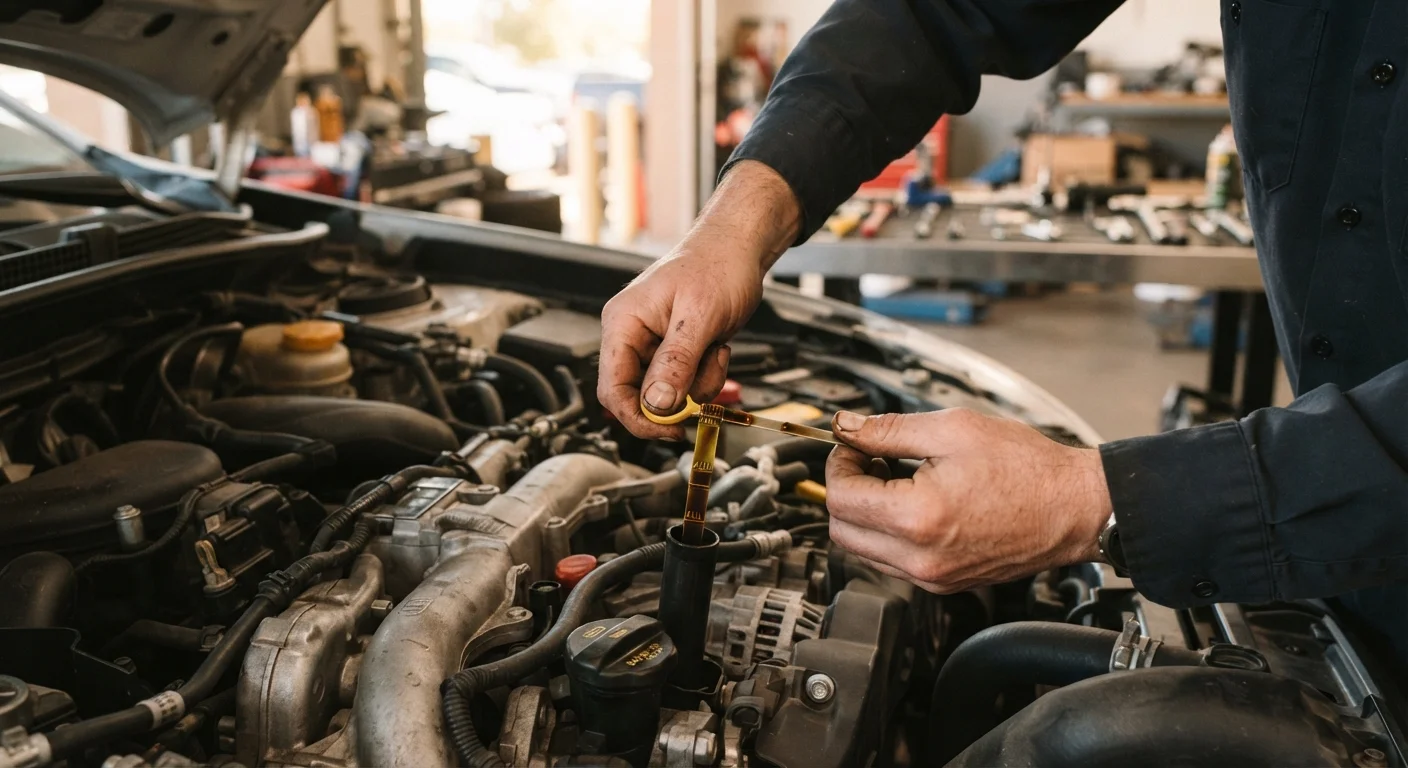
Regardless of whether you're buying from a private seller or a dealership, paying a trusted independent mechanic to inspect the vehicle before you commit is one of the most cost-effective steps you can take. A thorough inspection can surface hidden issues - oil leaks, worn brake components, deferred maintenance - that neither a test drive nor a vehicle history report will reveal. Most sellers, including dealerships, should accommodate a reasonable inspection request. If a seller refuses, treat that as a meaningful signal.