What the CPO Label Actually Means
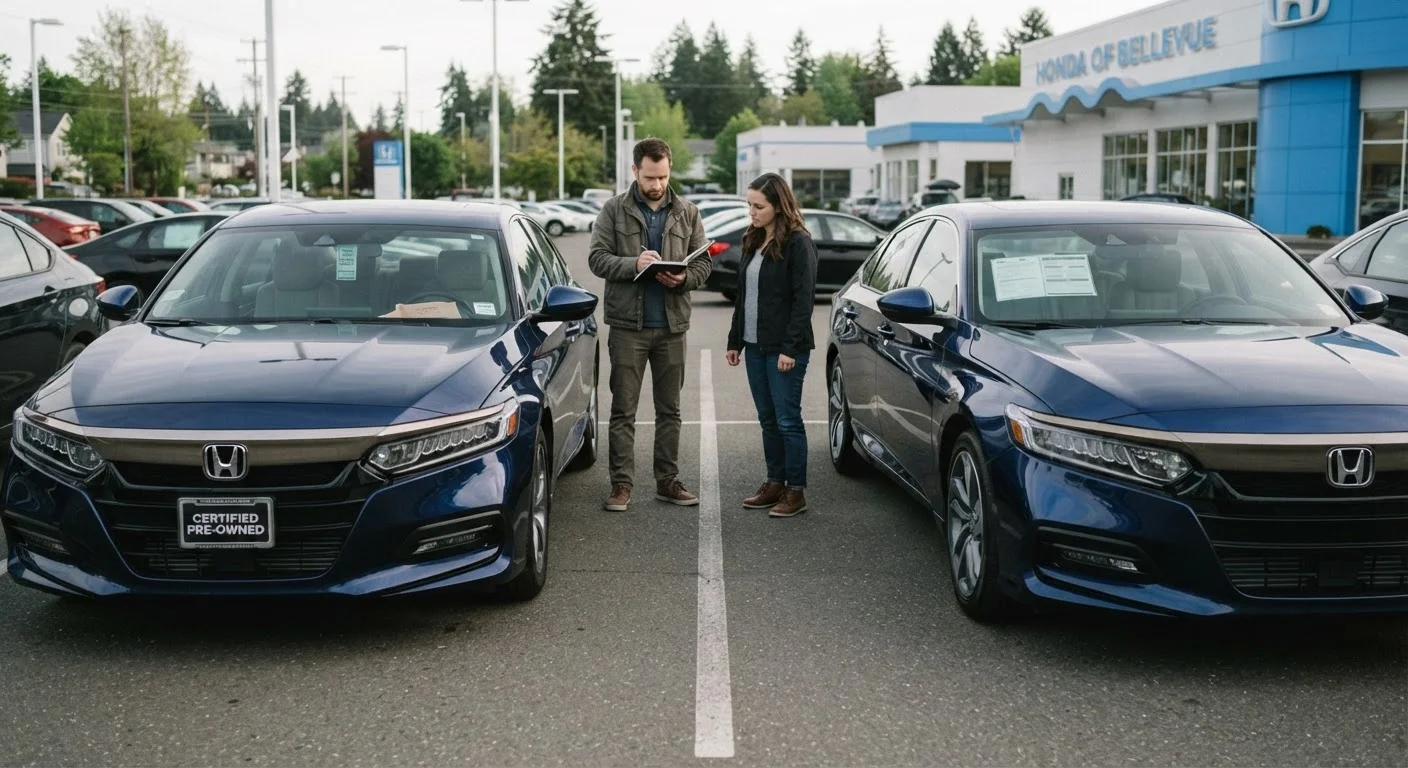
The phrase "certified pre-owned" is not a uniform industry standard - it's a marketing category that different programs define differently. There are two main types: manufacturer-backed CPO programs and dealer-certified programs.
Manufacturer programs (offered by automakers through their franchised dealers) require vehicles to meet specific age and mileage thresholds, pass a defined multi-point inspection, and carry a warranty that the manufacturer stands behind. These programs are the more consistent of the two.
Dealer-certified programs are set by individual dealerships with no external standard. A dealer can define "certified" however it chooses - which means the label provides far less assurance without reading the fine print.
Before treating any CPO badge as meaningful, ask: Is this manufacturer-backed? What does the inspection checklist cover? What does the warranty include, and who administers it?
Manufacturer vs. Dealer CPO: A Key Distinction
Manufacturer-backed CPO programs are administered by the automaker and apply across all franchised dealers for that brand. Dealer-certified programs are set independently by individual dealerships and carry no external standard or manufacturer backing. When evaluating a CPO vehicle, confirm which type of program applies before assuming any specific level of coverage or inspection rigor.
How Regular Used Vehicles Compare
A regular used vehicle comes with no required inspection, no mandated warranty, and no standardized disclosure process. That doesn't make it a bad purchase - it means the buyer takes on more responsibility for verification.
The practical upside is price and selection. Non-certified used vehicles typically cost less than comparable CPO units, and buyers can shop across any dealership, independent lot, or private seller. For buyers who are comfortable evaluating vehicle history reports and arranging a third-party inspection, the gap in protection may be worth the savings.
The risk is asymmetric information: sellers generally know more about a vehicle's history than buyers do. A vehicle history report (from services such as Carfax or AutoCheck) helps but doesn't capture everything - undisclosed mechanical wear, flood damage, or unreported accidents can still surface after purchase.
A pre-purchase inspection by an independent mechanic is one of the most effective ways to close that information gap before committing to any used vehicle, certified or not.
| Criterion | Certified Pre-Owned | Regular Used |
|---|---|---|
| Inspection required | Yes - multi-point (standards vary by program) | No requirement |
| Warranty included | Yes - limited warranty included | Typically none ("as-is" sales common) |
| Price | Higher - premium over non-certified | Lower - market-priced |
| Vehicle age/mileage limits | Yes - set by manufacturer program | No restrictions |
| Available from private sellers | No - dealer-only | Yes |
| Program consistency | High (manufacturer-backed); variable (dealer-certified) | No standard applies |
| Roadside assistance | Often included in manufacturer programs | Not included |
Reading the CPO Warranty Carefully
CPO warranties vary significantly in what they cover, how long they last, and what's excluded. Common elements to examine include:
- Powertrain vs. comprehensive coverage: Some CPO warranties cover only the engine and transmission; others extend to major electrical systems, suspension components, and more.
- Deductibles: Many CPO warranties carry a per-visit deductible, which affects the real cost of a claim.
- Transferability: Some warranties transfer to a subsequent owner; others do not - which can affect resale value.
- Who administers claims: Manufacturer-backed warranties are handled through the manufacturer's dealer network. Third-party administered warranties may involve more friction during the claims process.
Compare CPO warranty terms across programs the same way you'd compare coverage on any other financial product. Don't assume that "certified" means comprehensive.
It's also worth understanding how a CPO purchase fits into the broader new-versus-used decision. Our overview of the real trade-offs between new and used cars covers how depreciation, financing, and warranty considerations differ across both categories.
Price Premium and Whether It's Justified
CPO vehicles generally cost more than equivalent non-certified used vehicles. The premium reflects the inspection process, any reconditioning work done, and the warranty coverage bundled into the sale. Depending on the vehicle, market conditions, and program, this premium can range from a few hundred dollars to several thousand.
Whether the premium is justified depends on your situation. Buyers who plan to own a vehicle for several years and want reduced exposure to early repair costs may find the CPO structure worth paying for. Buyers who are mechanically knowledgeable, plan a short ownership window, or are purchasing a vehicle they intend to have independently inspected anyway may find the premium less compelling.
117-point
Typical manufacturer CPO inspection checklist length
Many manufacturer CPO programs publish multi-point inspection checklists ranging from roughly 100 to 150 items, though the specific number and scope vary by brand.
5 years / 100K mi
Example powertrain CPO warranty ceiling
Some manufacturer CPO powertrain warranties extend coverage up to five years or 100,000 miles from the original sale date, though terms vary significantly across programs.
When evaluating where to buy - not just what to buy - the trade-offs between private sellers and dealerships are worth understanding. CPO is only available through dealers, so private-party purchases always fall outside this category regardless of vehicle condition.
This article provides general informational guidance about automotive purchasing categories and is not a guarantee of any specific vehicle's condition, warranty terms, or value. Always review actual program documentation and consult a qualified mechanic before purchase.