Set a Realistic Budget Before You Shop
The single most important step happens before you set foot in a showroom or browse a listing: determining what you can actually afford. Start with your total available funds - cash on hand plus any loan you qualify for - then work backward from a monthly payment you're comfortable carrying for three to five years.
Experts consistently caution against anchoring to monthly payments alone. A lower monthly figure achieved by stretching the loan term to 72 or 84 months often means paying significantly more in total interest. Factor in insurance, fuel, registration, and routine maintenance when sizing your budget. Our guide on understanding the true cost of owning a car breaks down how these ongoing expenses add up over time.
Include All Ownership Costs in Your Budget
When calculating what you can afford, add estimated monthly insurance, fuel, and maintenance costs on top of your projected loan payment. A vehicle that fits your loan budget can still strain your finances if ongoing costs weren't accounted for. Running these numbers before you shop prevents you from falling in love with a vehicle that's genuinely out of reach.
Research Vehicle Types and Narrow Your Options
Once you have a budget range, match it to vehicle categories that fit your actual driving life - commuting distance, cargo needs, road conditions, and household size all matter. Sedan, SUV, truck, hybrid, or electric each involve different ownership trade-offs in fuel economy, insurance rates, and maintenance costs.
Use manufacturer websites, consumer reporting databases, and owner forums to compare reliability records and common repair histories for any model you're seriously considering. Checking safety ratings from organizations such as the NHTSA and IIHS gives you objective crash-test data to evaluate alongside price.
~85%
New vehicles financed at purchase
According to Experian's State of the Automotive Finance Market report, the large majority of new vehicle purchases in the US involve some form of financing.
$200
Typical pre-purchase inspection cost
Independent mechanic inspections generally range from $100 to $200 and can identify costly issues before a buyer commits.
72-84 months
Common extended auto loan terms
Industry data shows a growing share of auto loans now extend to six or seven years, increasing total interest paid over the life of the loan.
Choose Where to Buy: Dealer or Private Seller
Each purchase channel carries distinct advantages and risks. Franchised dealerships typically offer certified pre-owned programs, financing options, and consumer protections under state lemon laws. Private sellers often list vehicles at lower prices, but sales are generally completed as-is, with no warranty and limited recourse if problems emerge afterward.
Weighing the private seller versus dealership experience in detail helps clarify which route makes more sense given your risk tolerance and the specific vehicle you're pursuing. Independent used-car lots occupy a middle ground and warrant the same due diligence as either option.
Arrange Financing in Advance
Securing a pre-approval from a bank or credit union before you negotiate gives you a concrete interest rate to compare against any dealer financing offer. It also clarifies your actual spending ceiling, which prevents deals from expanding beyond your budget during negotiation.
Your credit score has a direct impact on the rate you're offered. Pulling your own credit report before applying - which does not affect your score - lets you correct errors and understand where you stand. If dealer financing comes in lower than your pre-approval, you can accept it; if not, you already have a ready alternative. Bear in mind that this is general financial information; consult a licensed financial adviser for guidance suited to your individual situation.
Pre-Approval Is Not a Final Commitment
Getting pre-approved for an auto loan does not obligate you to use that lender or buy any particular vehicle. It's a planning tool that establishes your rate floor and spending ceiling. If a dealer offers a genuinely lower rate, you can accept it - but always compare the total loan cost, not just the monthly payment. Loan terms and total interest paid vary significantly across lenders and term lengths.
Inspect, Test Drive, and Verify
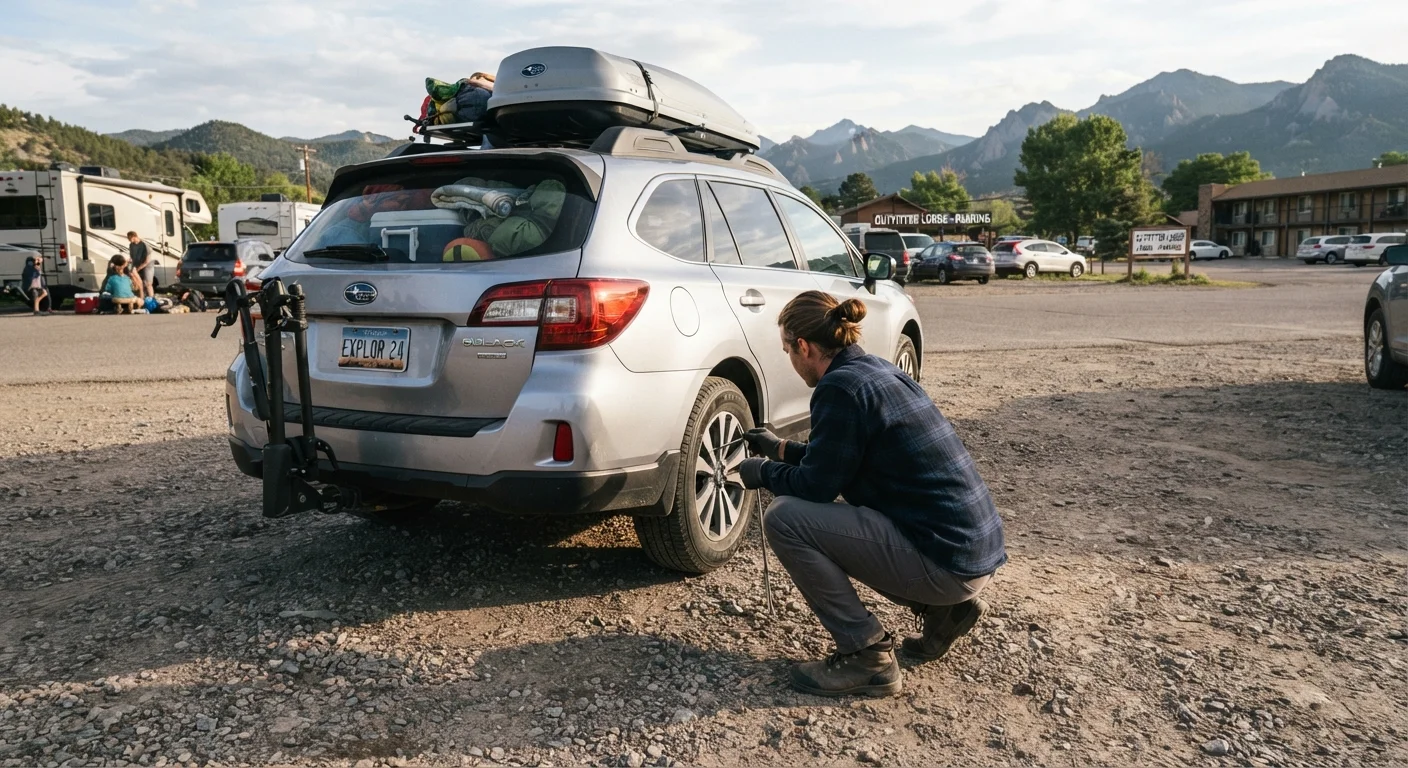
Never skip the test drive, and never limit it to a parking lot loop. Drive the vehicle on the highway and in stop-and-go conditions. Listen for unusual sounds under acceleration, braking, and over bumps. Test every feature - climate controls, windows, infotainment, driver-assist systems.
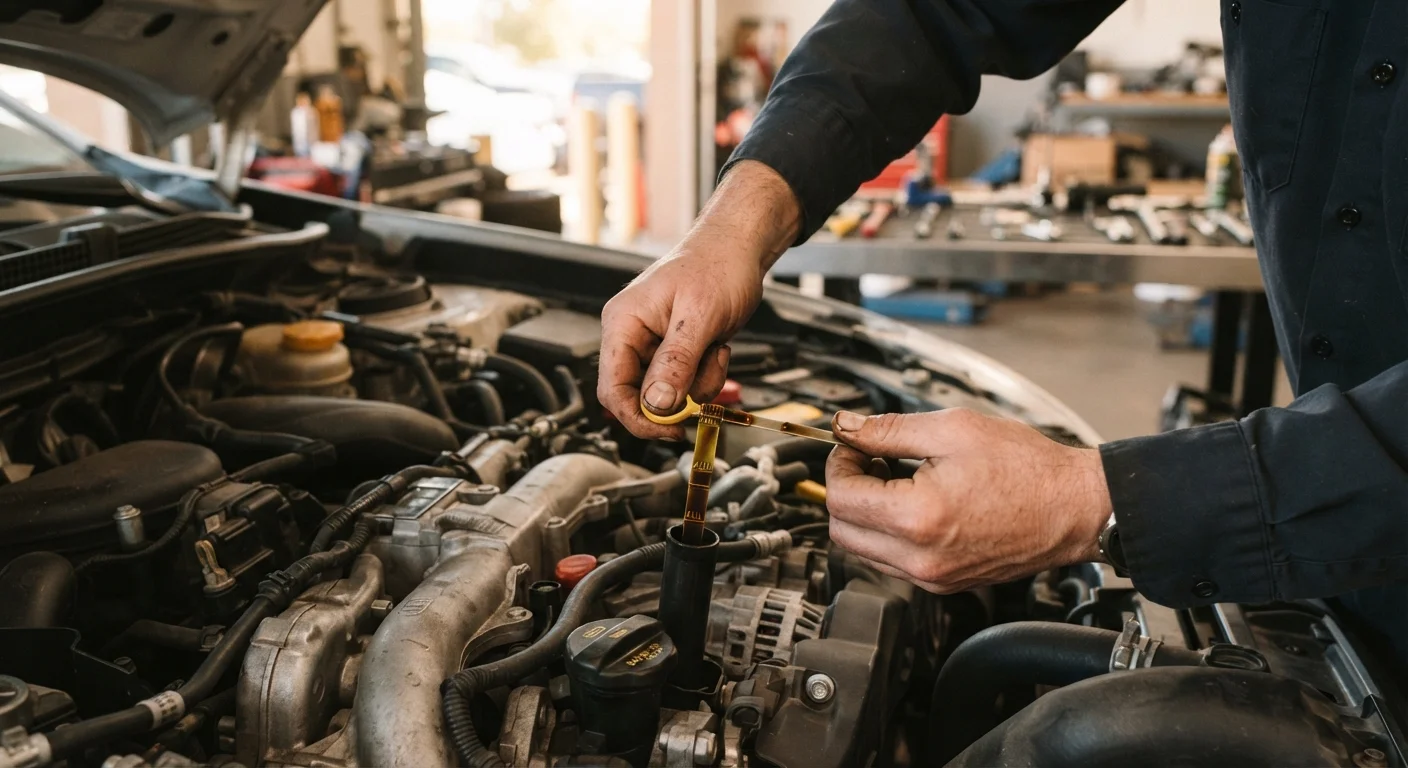
For any used vehicle, run a vehicle history report using the VIN (vehicle identification number) to check for prior accidents, title issues, or odometer discrepancies. Then arrange an inspection by an independent, qualified mechanic - not one recommended by the seller. This typically costs between $100 and $200 and can surface issues worth far more to know about before signing.
Schedule a pre-purchase inspection at a shop of your choosing - not one the seller suggests. An independent mechanic has no stake in the sale and will give you an unfiltered read on the vehicle's condition.
Sellers, even well-intentioned ones, may not disclose every issue. A third-party inspection is the buyer's most reliable safeguard against costly post-purchase surprises.
Bring a printed copy of your pre-approval to the dealership. It signals you're a serious, prepared buyer and gives you a firm benchmark when the finance office presents its own rates.
Buyers who arrive with outside financing offers consistently report stronger negotiating outcomes, as it shifts leverage away from the dealership's financing department.
Negotiate the Purchase Price
Effective negotiation starts with knowing the market value of the vehicle before the conversation begins. Sources such as industry valuation guides give you a defensible reference point. Focus negotiation on the out-the-door price - the total you'll pay including taxes, title, and fees - rather than monthly payments or trade-in value separately, which can obscure the real cost.
Negotiation principles that work across any dealership and common car-buying myths that cost drivers money are worth reviewing before you sit down. Be prepared to walk away if the numbers don't align - this is often the most powerful signal a buyer can send.
Review the Paperwork and Take Ownership
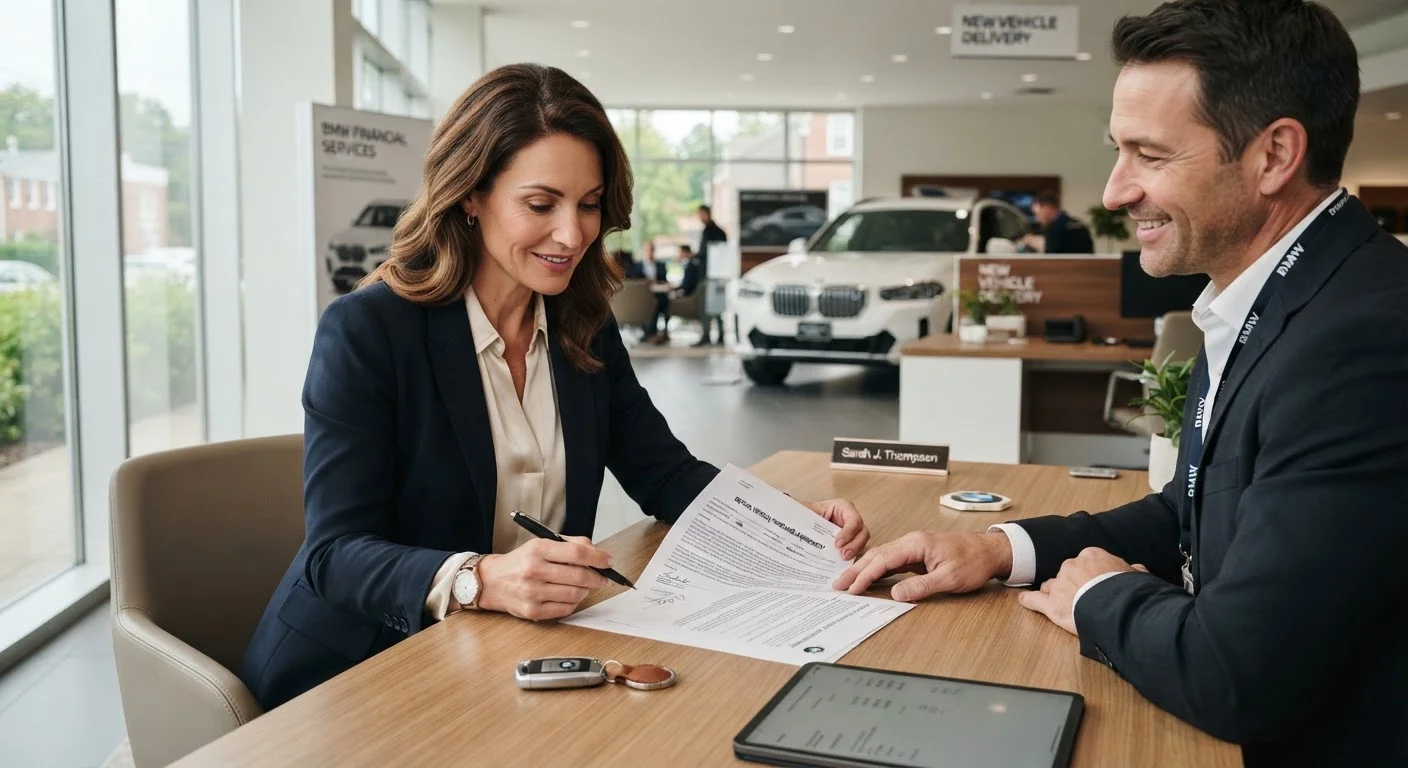
The finance and insurance (F&I) office is where many unexpected costs appear. Add-ons like extended warranties, paint protection, and gap insurance are often presented as standard - they are optional, and each has a cost worth evaluating independently. Read every line of the purchase agreement and loan documents before signing. Do not feel pressured to rush.
Confirm the final out-the-door figure matches what was agreed in negotiation. After signing, collect all documentation: the title, bill of sale, and any warranty paperwork. Arrange auto insurance coverage before you drive the vehicle off the lot - most states require proof of insurance at the point of purchase. Once ownership transfers, your focus shifts to routine maintenance to protect your investment from day one.
If you're navigating this process for the first time, our first-timer's step-by-step car buying guide walks through the terminology and decisions in accessible detail.