How a Sump Pump Actually Works
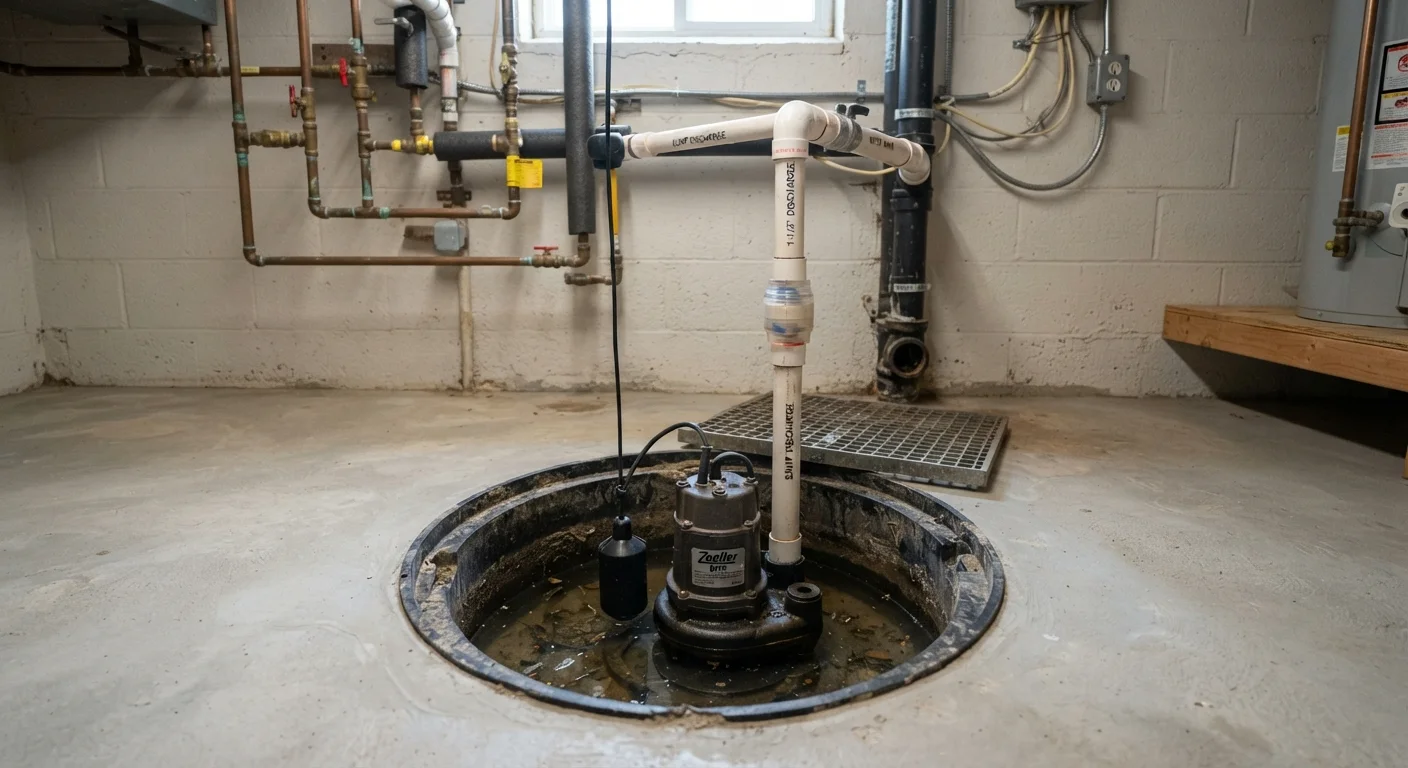
A sump pump sits inside a pit - called a sump basin - dug into the lowest point of a basement or crawl space. As groundwater or rainwater seeps through the soil and into the basin, a float switch detects the rising water level and activates the pump. The pump then pushes that water through a discharge pipe, directing it away from the home's foundation.
There are two main types homeowners encounter. Pedestal pumps have a motor mounted above the basin, making them easier to service but noisier. Submersible pumps sit entirely inside the basin and tend to operate more quietly and handle larger volumes of water. Understanding which type you have matters because maintenance steps differ slightly between them.
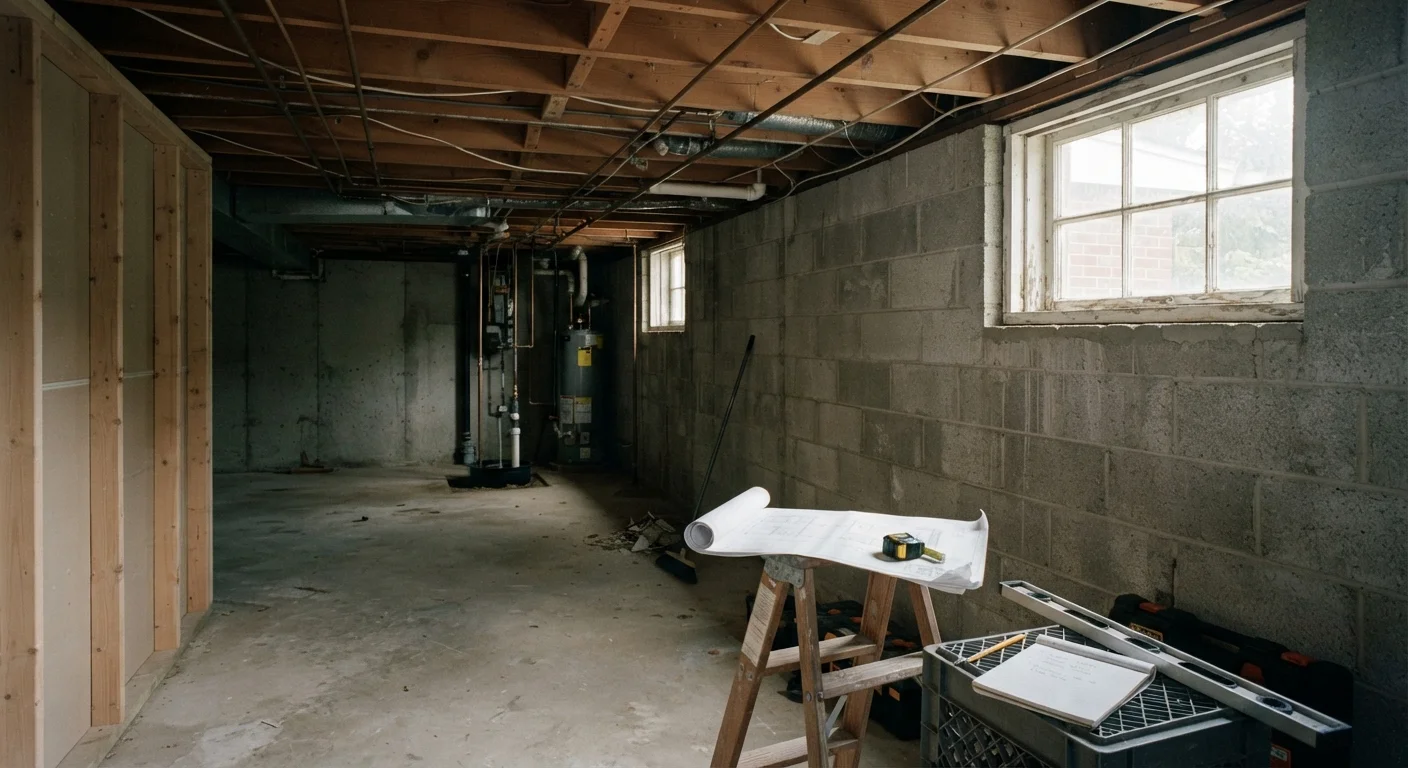
For homes in flood-prone areas, the sump pump is a critical part of the moisture-management system - not a backup option. If you're considering finishing your basement, it's worth reviewing the moisture and structural basics before adding walls or flooring above a functioning pump.
Routine Maintenance Practices Every Homeowner Should Know
Most sump pump maintenance is straightforward and doesn't require special tools. Building these checks into a seasonal routine - ideally before spring rains and again before winter - will catch most problems early. Our seasonal home systems checklist includes sump pump testing alongside other key home system tasks.
Test the pump manually every three to four months by pouring water directly into the basin.
Regular testing confirms the float switch activates correctly and the pump discharges water as intended. A pump that appears operational may have a stuck float or a clogged discharge line that only reveals itself under load.
Inspect and clean the inlet screen or grate at the base of the pump annually.
Debris - gravel, sediment, and mineral buildup - collects around the inlet and restricts water flow, forcing the motor to work harder and shortening its lifespan.
Verify the discharge line terminus is clear and directed well away from the foundation.
A blocked or misdirected discharge line allows expelled water to drain back toward the home, defeating the pump's purpose and potentially causing the basin to refill rapidly.
Check the check valve on the discharge line for proper function each year.
A check valve prevents discharged water from flowing back into the basin when the pump shuts off. A failed check valve causes the pump to run repeatedly in short cycles, accelerating motor wear.
Keep the sump basin covered with a fitted lid.
An open basin allows debris, insects, and radon gas to enter the system. A lid also reduces evaporation that can increase humidity levels in the basement.
Warning Signs That Require Professional Attention
Some sump pump problems go beyond routine upkeep. Recognizing the signs of a system under stress - before a major storm hits - can prevent basement flooding and costly water damage.
- Constant or rapid cycling: If the pump runs very frequently even during dry periods, the float switch may be stuck or the basin may be too small for your water table conditions.
- Unusual grinding or rattling: These sounds often indicate a damaged impeller - the component that moves water through the pump - and typically require a professional assessment.
- Visible rust or corrosion: Surface rust on cast iron parts can be normal, but extensive corrosion on the motor housing or discharge fittings suggests the unit is degrading.
- Water in the basin during dry weather: This may point to a failed check valve allowing water to flow back into the pit, or it could signal a drainage issue around the foundation.
Knowing when to stop and call a professional is a skill in itself. The reasoning that applies to auto repairs - some tasks are manageable DIY, others are not - applies equally here. Our article on DIY vs. professional repairs explains how to draw that line thoughtfully.
Keep a Maintenance Log for Your Pump
Recording each test date, any cleaning performed, and observations about pump behavior creates a useful history. If a plumber or home inspector needs to evaluate the system, a log demonstrates consistent upkeep and can help pinpoint when a problem first appeared. A simple notebook kept near the unit works well.
The Backup Power Question
A sump pump's greatest vulnerability is a power outage - which often coincides with the worst storms. Without power, even a perfectly maintained pump offers no protection.
Homeowners in flood-prone areas have a few practical options to consider. A battery backup system connects directly to the primary pump circuit and activates automatically when power is lost. A water-powered backup pump uses municipal water pressure to operate and requires no battery, though it does consume water in the process. A whole-home generator provides the broadest coverage but represents a significantly larger investment.
Each option involves tradeoffs in cost, maintenance, and capacity. Understanding how backup systems integrate with your home's existing electrical and plumbing setup is important - and connects to broader questions about how home plumbing systems connect. Any changes to electrical wiring for backup power should be handled by a licensed electrician.