
Why Structured Research Beats Gut Instinct
Most people begin trip planning with a feeling - a destination they saw in a photo, heard about from a friend, or simply dreamed about for years. That starting impulse is fine, but acting on it without a research framework leads to common, preventable problems: traveling during the wrong season, underestimating costs, or discovering after booking that visa timelines don't align with your schedule.
Structured destination research replaces guesswork with a repeatable process. It doesn't eliminate spontaneity - it protects it, by ensuring the destination you choose genuinely fits your travel window, budget, and goals. This guide walks through that process stage by stage, from the very first question you should ask yourself to the final verification steps before any money changes hands.
For a comprehensive end-to-end treatment of every research dimension, see the complete destination research guide.
Start With Constraints, Not Inspiration
The most common research mistake is browsing destinations before defining your own constraints. Spend 20 minutes writing down your budget range, travel window, and group size before opening any travel website. This single step can cut your research time in half and produces a much better-fit final choice.
Step One: Define What You Actually Want From a Trip
Before looking at any destination, answer four questions about yourself and your situation:
- What is your realistic travel window? The time of year you can travel eliminates many destinations immediately based on climate and peak-season pricing.
- What is your working budget? Include flights, accommodation, food, activities, and a contingency buffer. Even a rough figure narrows options significantly.
- Who are you traveling with? Solo travel and group travel involve different research priorities. See how research differs by travel type for a detailed breakdown.
- What kind of experience are you seeking? Rest and recovery, cultural immersion, outdoor activity, or urban exploration each point toward different destination types.
These answers act as filters. Apply them before you generate destination ideas, not after - you'll save considerable research time.
Travel advisory
An official government assessment of the safety conditions in a foreign country, typically rated on a tiered scale. In the US, these are issued by the State Department.
Destination shortlist
A curated group of three to five destination candidates you've pre-filtered against your constraints, ready for deeper side-by-side research.
Entry requirements
The formal rules a country sets for who may enter and on what conditions - including visa type, passport validity, and any required health documentation.
Seasonality
The pattern of how a destination changes across the year in terms of weather, crowd levels, pricing, and availability of activities or services.
Source triangulation
The practice of cross-checking information from multiple independent sources - such as a government advisory, a tourism board, and a traveler forum - before treating it as reliable.
Travel window
The specific dates or date range during which you're able and intending to travel, which functions as one of the first practical filters in destination selection.
Step Two: Build and Narrow Your Shortlist
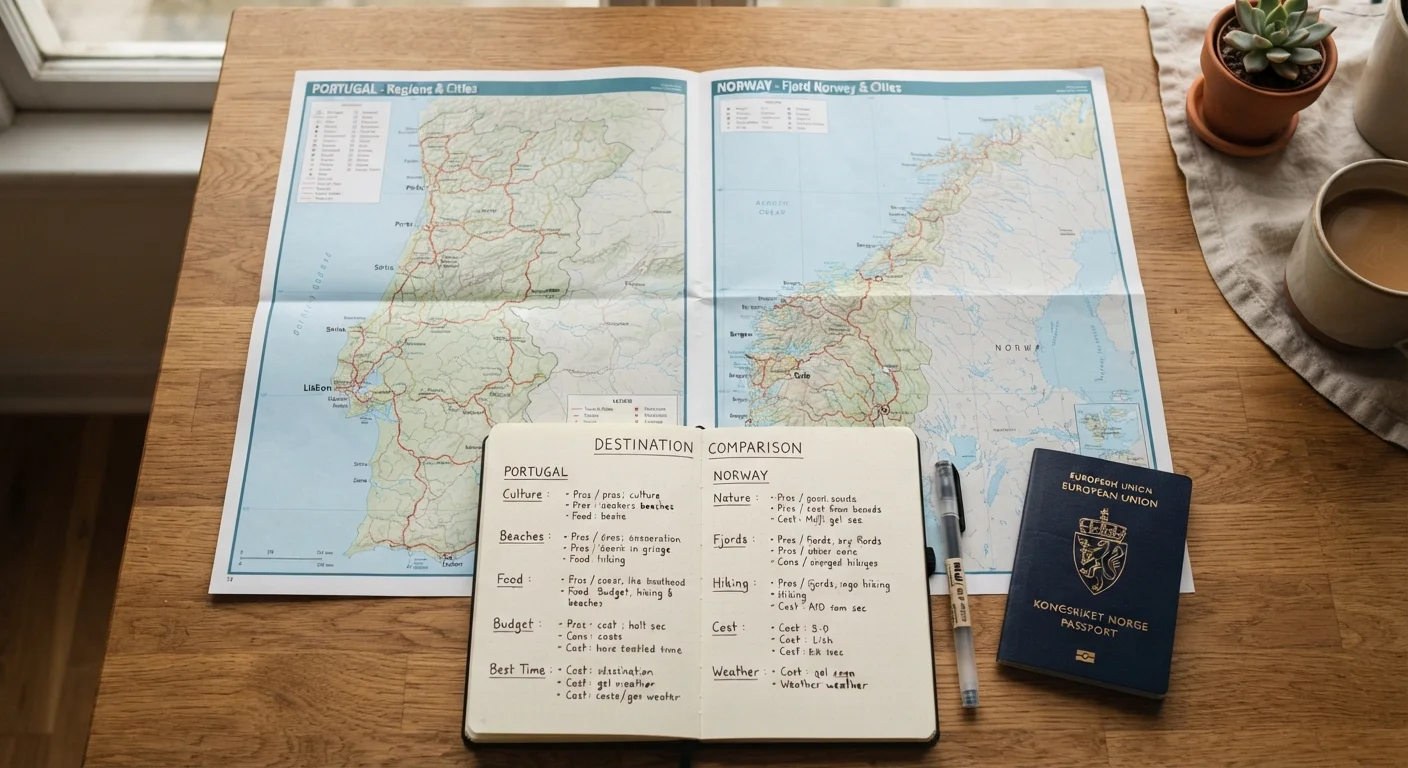
Once you have your filters, generate a broad list of destinations that could plausibly match - aim for ten to fifteen at this stage. Sources for this phase include government tourism websites, geography-based travel forums, and destination-type searches (e.g., "coastal destinations with a dry season in March").
Then apply your filters to cut the list to three to five candidates. This is the working shortlist you'll research in depth. Going narrower than three makes comparison difficult; keeping more than five is rarely productive at this stage.
The article Building a Destination Shortlist covers practical methods for this narrowing process, including how to handle ties and near-matches.
Step Three: Evaluate Each Destination Against Key Factors
With a shortlist in hand, evaluate each destination across the same set of factors so comparisons stay fair. The core evaluation dimensions are:
- Safety: Check your government's official travel advisory for each destination. In the US, the State Department maintains a tiered advisory system. Do not rely solely on tourism sources for this.
- Entry requirements: Visa rules, passport validity minimums, and any health documentation requirements. These vary by destination and by your citizenship.
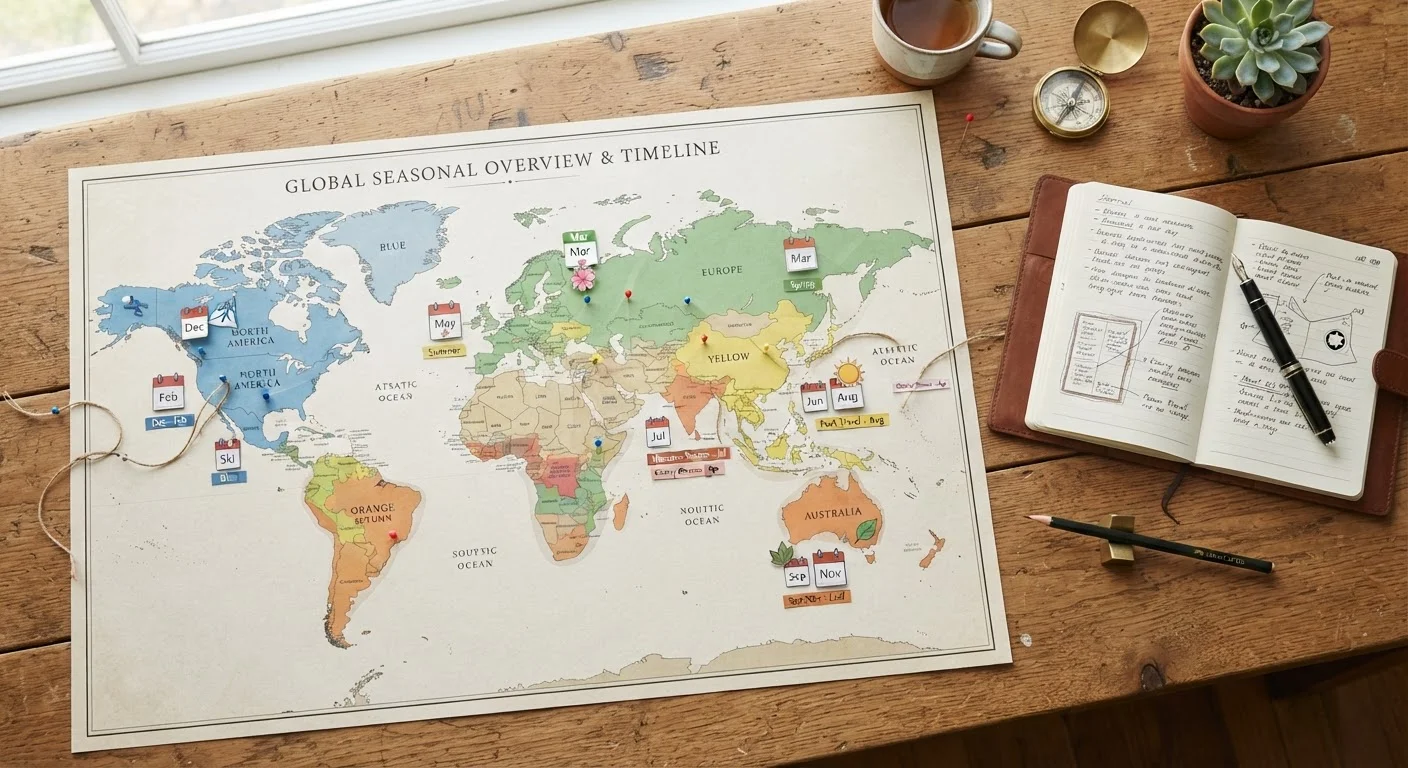
- Climate and seasonality: What are average temperatures, rainfall, and crowd levels during your specific travel window?
- Realistic cost range: Daily accommodation, food, transport, and activity costs vary enormously by destination. Look at travel budgeting resources to build a working estimate.
- Logistics and infrastructure: How difficult is it to get around? Does the destination have the type of accommodation and transport you need?
For a detailed breakdown of what each of these factors means in practice, The Anatomy of a Travel Destination explains each dimension with context.
Step Four: Verify Before You Commit
Evaluation narrows your choice; verification confirms it. Before booking anything, run a final check on time-sensitive information that may have changed since your initial research:
- Recheck travel advisories - these can shift within weeks due to political events, health alerts, or natural disasters.
- Confirm visa processing times against your planned booking date. Some visas require applications weeks or months in advance.
- Verify any health documentation requirements directly with the destination country's embassy or official entry portal.
- Check for known infrastructure disruptions - seasonal closures, construction affecting key routes, or public transit strikes.
Use the destination research checklist to make sure no critical item is missed. Always verify entry and safety information through official government sources rather than third-party travel sites, which may not reflect the most current rules.
This article is for general informational purposes only. Entry requirements, travel advisories, and conditions at any destination can change. Always verify details with official government sources and your airline or travel provider before making bookings.
Choosing Your Information Sources Wisely
Not all sources are equally reliable, and knowing which to use for what saves time and prevents misinformation. A practical breakdown:
- Official government travel advisories
- Use for safety ratings, entry requirements, and health alerts. These are authoritative and updated regularly.
- National tourism authority websites
- Use for destination highlights, seasonal guidance, and infrastructure overviews. Be aware these sources present a positive picture by design - they are promotional, not neutral.
- Travel blogs and community forums
- Use for ground-level logistics, neighborhood insights, and recent traveler experiences. Always check the publication date and cross-reference with official sources.
- Academic and journalistic sources
- Use for cultural context, political background, and longer-term destination trends.
Understanding how each source shapes what you see is itself a research skill. See how travel blogs and tourism sources differ for a fuller treatment of source triangulation.
When your destination choice is made and you're ready to plan the practical details of your trip, trip logistics planning is the natural next step.
Urban vs. Remote Destinations Require Different Research
City-based travel and off-the-beaten-path destinations present meaningfully different logistics challenges. Infrastructure reliability, accommodation types, medical access, and transport options all differ. If you're considering both types in your shortlist, the article Urban Escapes vs. Remote Retreats walks through the practical tradeoffs of each environment.