How to Read What Your Window Is Actually Telling You
Homeowners often reach for the most dramatic solution when a window starts misbehaving - assuming that any draft, fog, or stiffness means it is time for a full replacement. In reality, the condition of a window breaks down into distinct systems: the glazing unit, the frame, the sash, and the hardware. A failure in one does not necessarily compromise the others.
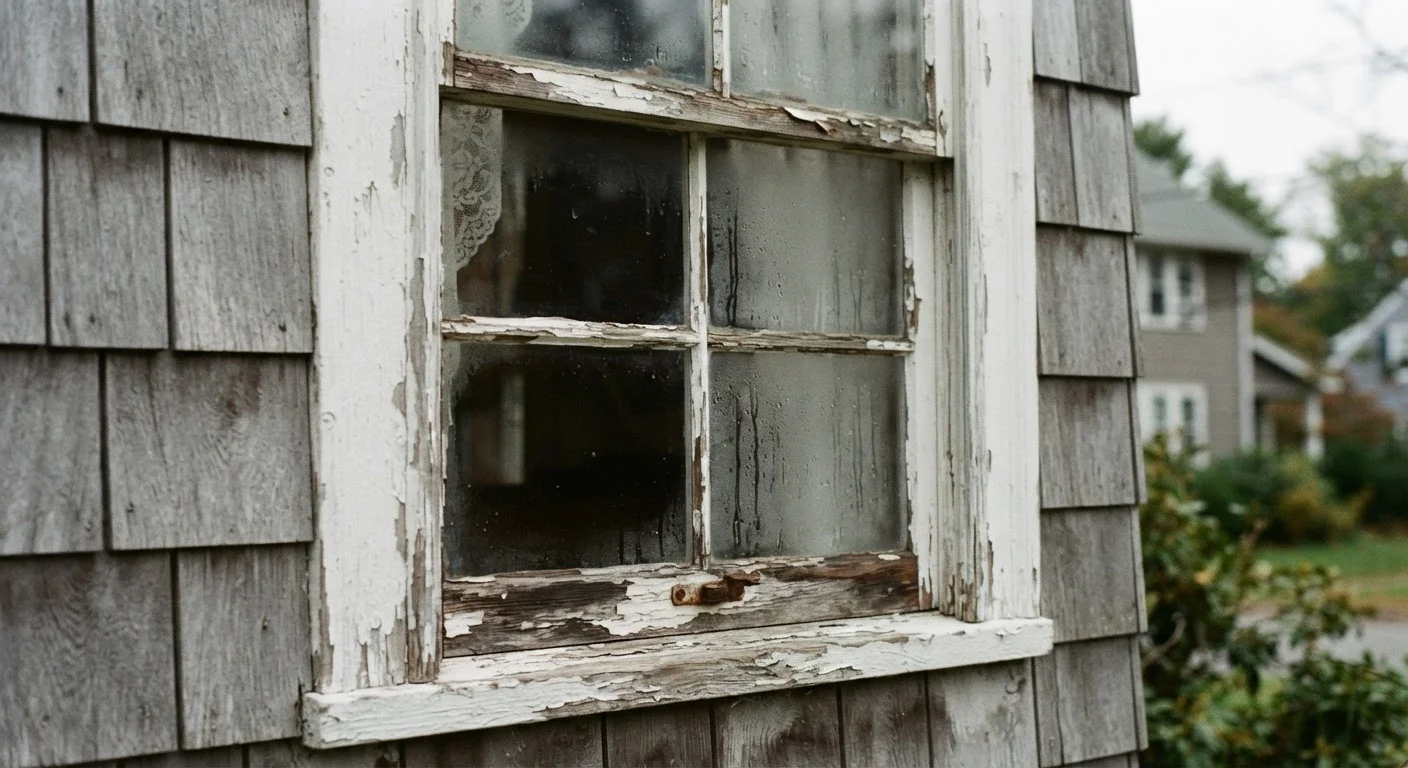
Before deciding anything, inspect the window methodically. Start with the glass. Interior fogging or a hazy appearance between the panes is almost always a sign that the inert gas fill and seal on an insulated glazing unit (IGU) have failed. This is a glazing problem, not a frame problem, and in many cases the IGU can be replaced on its own. However, if your windows are older single-pane units, no repair restores modern insulating performance - that gap can only be closed with replacement.
Next, examine the frame and sill closely. Press gently on painted wood surfaces to check for soft spots, which indicate rot beneath. Look for visible warping along the corners or where the frame meets the wall. Minor surface deterioration can sometimes be treated with epoxy wood filler, but widespread rot or structural movement is a reliable indicator that repair will only delay the inevitable.
| Criterion | Window Repair | Window Replacement |
|---|---|---|
| Typical cost range | Lower upfront cost | Higher upfront cost |
| Disruption to home | Minimal - targeted work | Moderate - full unit removal |
| Suitable when frame is rotted | No - frame must be sound | Yes - new frame included |
| Addresses failed IGU seal | Yes - IGU can be replaced | Yes - new unit installed |
| Improves thermal performance | Partially - sealing helps | Significantly - modern glazing |
| Fixes broken hardware | Yes - parts replaceable | Yes - included in new unit |
| Long-term solution for single-pane | No - performance gap remains | Yes - modern IGU installed |
When Repair Is the Logical First Step
Several common window complaints fall squarely within the repair category. Drafts that appear around the perimeter of an otherwise solid window are typically a weatherstripping or caulking issue - not a window failure. Replacing compressed or cracked weatherstripping is a low-cost task, and re-caulking the exterior and interior perimeter addresses most air infiltration without touching the window unit itself.
Operational problems - a window that will not open, stay open, or lock properly - usually trace back to hardware. Sash balances, spiral lifts, and locking mechanisms are widely available as replacement parts for most common window types. Similarly, a single cracked pane in an older wood window can often be re-glazed by a skilled tradesperson, preserving the original frame.
Just as poorly functioning ductwork can mask the true source of home comfort problems - a pattern described in our guide to ductwork efficiency signs - a window that seems to be performing poorly may simply need targeted maintenance rather than wholesale replacement.
~30%
Home heating/cooling lost through windows
The U.S. Department of Energy estimates that heat gain and loss through windows accounts for roughly 25-30% of residential heating and cooling energy use.
10-20 years
Typical lifespan of an IGU seal
Most insulated glazing unit seals are designed to last between 10 and 20 years before moisture infiltration and gas loss begin to degrade performance noticeably.
$200-$600
Average IGU replacement cost per window
Replacing only the glazing unit in an otherwise sound window typically costs significantly less than full window replacement, though prices vary by size and glass type.
When Replacement Becomes the Necessary Answer
Certain conditions move a window beyond the reach of repair. Extensive frame rot - particularly when it has spread to the rough opening or surrounding framing - creates water infiltration risks that no surface treatment resolves permanently. A warped frame that no longer sits square in its opening will defeat even the best weatherstripping because the seal geometry cannot be corrected without replacing the unit.
Older homes with original single-pane windows present a different calculus. These windows can be maintained, re-glazed, and weatherstripped, but their thermal resistance (measured as U-factor) remains far below what modern code-compliant double- or triple-pane windows provide. If energy performance is a genuine priority, repair keeps a poor-performing window operational - it does not transform it.
Safety glazing is another factor. Windows in specific locations - near doors, in bathrooms, in low-to-floor installations - are typically required by current building codes to use tempered or laminated glass. If older windows in those locations are being substantially worked on, local codes may trigger an upgrade requirement. Always verify local permit and code requirements before undertaking significant window work, in the same way structural renovations require professional review - as outlined in our overview of load-bearing wall considerations.
Making the Assessment Before Spending Money
A structured inspection takes less than twenty minutes and can prevent a costly misjudgment in either direction. Check each window for: fogged or broken glass, soft or visibly rotted wood, visible gaps between the frame and surrounding wall, hardware that does not function, and any condensation on the interior glass surface during cold weather (which points to inadequate insulation or a broken seal).
Document what you find with photos. When you consult a window contractor or glazier, a photo record helps prevent scope creep - you can compare their assessment against your own observations. Reputable professionals will give a written estimate that separates labor from materials and specifies exactly which components are being addressed.
As a general rule: if the structural frame is sound and only one system has failed, repair deserves a fair evaluation. If multiple systems are compromised, or if the window predates modern energy standards and comfort is a concern, replacement may offer better long-term value. Neither path is universally correct - the right answer lives in the specific condition of each window.
This article provides general home improvement information only. Always consult a licensed contractor or window professional before undertaking significant window repair or replacement work, and verify local permit and building code requirements with the relevant authority in your area.