What Each Coverage Type Actually Covers
The labels "liability" and "full coverage" get used often in casual conversation, but they represent meaningfully different scopes of protection. Understanding what each actually includes is the foundation of any good coverage decision.
Liability coverage is the baseline required in nearly every U.S. state. It pays for bodily injury and property damage you cause to other people in an at-fault accident. It does not pay to repair or replace your own vehicle, and it does not cover your own medical bills. For a deeper look at how these coverage labels break down individually, see what liability, collision, and comprehensive each cover.
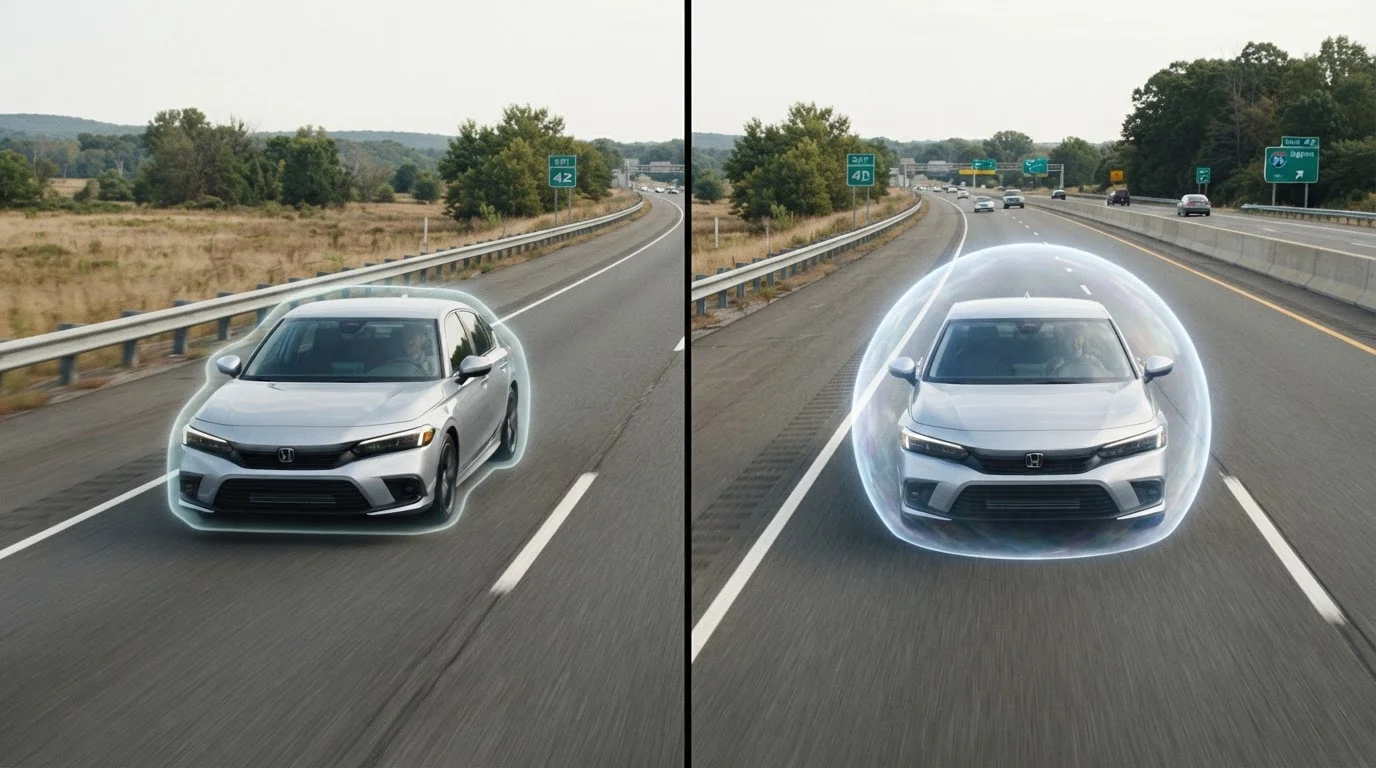
Full coverage is not a single product - it's an informal term for a policy that combines liability with collision coverage (which pays for damage to your car from an accident regardless of fault) and comprehensive coverage (which covers non-collision events like theft, hail, flooding, and animal strikes). This combination protects both other parties and your own vehicle.
| Criterion | Liability-Only | Full Coverage |
|---|---|---|
| Covers damage to others | Yes | Yes |
| Covers your own vehicle (collision) | No | Yes |
| Covers theft, weather, animals | No | Yes (comprehensive) |
| Typical monthly premium | Lower | Higher |
| Required for financed vehicles | No | Typically yes |
| Best suited for | Older, low-value vehicles | Newer or financed vehicles |
| Out-of-pocket risk to your vehicle | High | Lower (after deductible) |
The Key Factors That Should Drive Your Decision
There's no universal right answer here. The appropriate coverage level depends on several variables specific to your situation.
Vehicle Value
The older and lower in market value your vehicle is, the less financial benefit you typically receive from collision and comprehensive coverage. Insurers pay claims based on a vehicle's ACV - roughly its current market value minus depreciation - not what you paid or what it would cost to replace with something newer. If your car's ACV is modest, the added premium for full coverage may exceed what you'd realistically collect in a claim.
Loan or Lease Status
If you're financing or leasing, your lender or leasing company almost certainly requires full coverage. This is a contractual obligation, not a choice. Dropping below that requirement could put your financing agreement at risk.
Your Financial Cushion
Liability-only coverage means you're self-insuring your own vehicle. If your car were totaled or stolen tomorrow, could you cover the loss out of savings, or would it create a serious financial hardship? That answer matters more than the monthly premium difference alone. The relationship between your deductible and your premium is worth understanding here - how deductibles and premiums interact can help clarify the trade-off.
~$700
Average annual cost of full coverage vs. liability-only difference
Industry data from the National Association of Insurance Commissioners indicates full coverage can cost several hundred dollars more per year than liability-only, though figures vary widely by state and driver profile.
1 in 8
U.S. drivers estimated to be uninsured
According to the Insurance Research Council, roughly one in eight drivers on U.S. roads carries no insurance, underscoring the practical value of adequate coverage levels.
Where and How You Drive
Drivers in areas with higher rates of vehicle theft, severe weather, or dense urban traffic face greater exposure to the kinds of losses comprehensive and collision cover. Regional risk context is worth factoring in.
Common Misconceptions to Avoid
A few persistent misunderstandings can lead drivers toward the wrong decision.
- "Full coverage means everything is covered." It doesn't. Full coverage still has exclusions, deductibles, and claim limits. Mechanical breakdowns, for example, are typically not covered under any standard auto policy.
- "Liability-only is always cheaper in the long run." If you experience a significant at-fault accident and have no collision coverage, you pay all repair costs out of pocket. Whether liability-only saves money over time depends heavily on what actually happens to your vehicle.
- "My state's minimum liability limits are enough." State minimums are legal floors, not recommended coverage levels. In a serious accident, minimum limits can be exhausted quickly. how state minimums compare to broader protection is a useful reference for this gap.
It's also worth knowing that optional add-ons - like gap insurance, which covers the difference between your loan balance and your car's ACV if it's totaled - exist outside the liability/full coverage framework. gap insurance and other add-ons explains when those tend to be relevant.
This article is for general informational purposes only and does not constitute personalized insurance, financial, or legal advice. Coverage terms, exclusions, and eligibility vary by insurer, policy, and state. Consult a licensed insurance agent or adviser to evaluate options appropriate for your specific circumstances.