
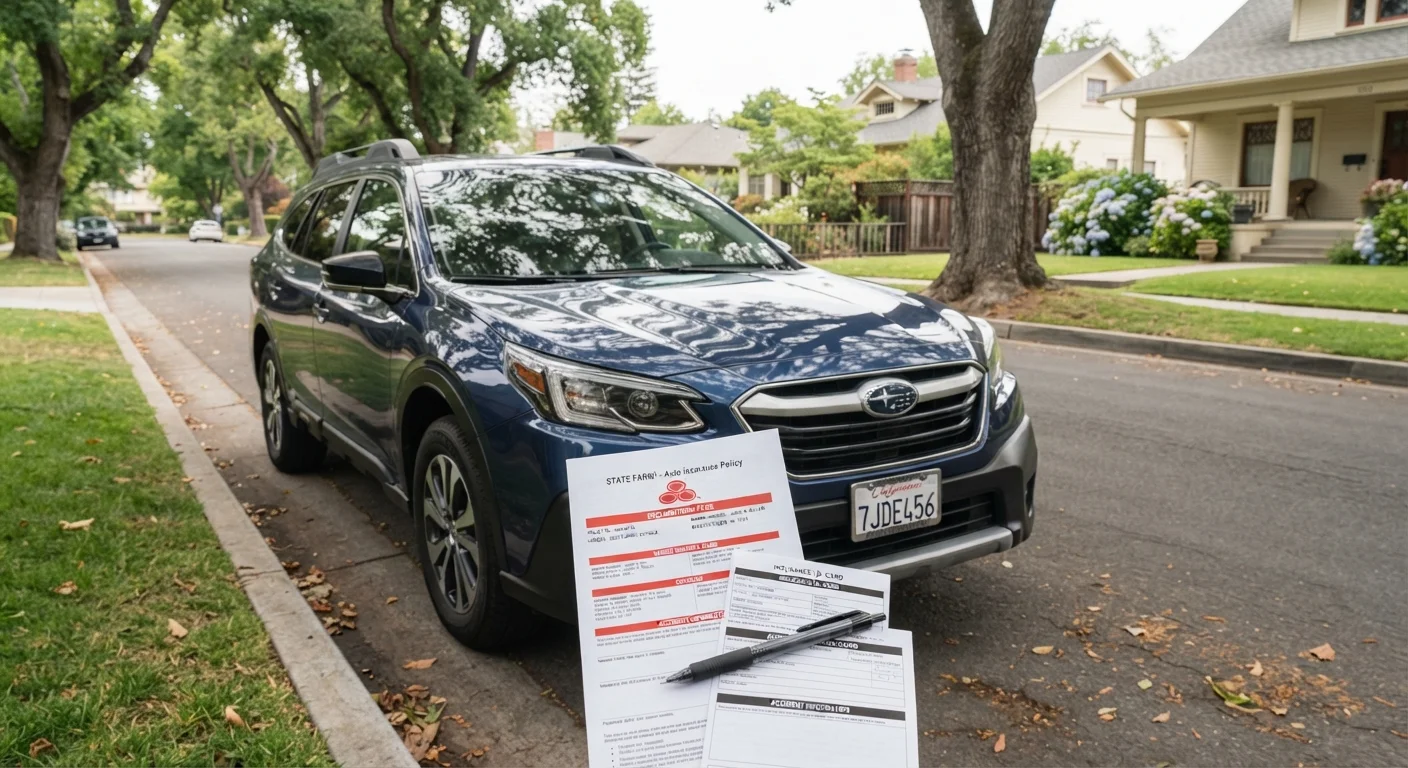
Why Auto Insurance Is More Complex Than It Looks
Most drivers know they're required to carry auto insurance, but far fewer understand what they're actually buying. A policy isn't a single product - it's a bundle of distinct coverages, each with its own limits, deductibles, and exclusions. Misreading that bundle, or defaulting to the cheapest minimum, can leave a driver seriously exposed after an accident.
Auto insurance is also part of the broader cost of vehicle ownership. As our guide to understanding the true cost of owning a car explains, insurance sits alongside fuel, maintenance, and depreciation as a recurring expense that deserves deliberate planning - not just a checkbox at the dealership.
This guide walks through every major dimension of auto insurance in plain language, from coverage mechanics to claims handling to the decisions most drivers face at renewal time.
The Core Coverage Types Explained
US auto insurance policies are built from several distinct coverage components. Understanding each one is essential before evaluating whether your policy fits your situation.
- Liability coverage pays for injuries or property damage you cause to others. It does not cover your own vehicle or medical bills. Every state that requires insurance mandates at least a minimum liability amount.
- Collision coverage pays to repair or replace your vehicle after a crash, regardless of fault. It carries a deductible - the amount you pay out of pocket before the insurer contributes.
- Comprehensive coverage handles non-collision damage: theft, weather events, falling objects, and similar incidents. It also has a deductible.
- Uninsured/underinsured motorist coverage protects you when the at-fault driver lacks adequate insurance - a situation more common than most drivers expect.
- Medical payments (MedPay) or personal injury protection (PIP) cover medical expenses for you and your passengers, regardless of fault. PIP is required in no-fault states.
For a deeper breakdown of how these work in practice, see our article on what liability, collision, and comprehensive actually cover.
When reviewing a policy, read the declarations page first - it summarizes every coverage type, limit, and deductible in one place, making it far easier to spot gaps than scanning the full document.
The declarations page is the clearest summary of what you're actually covered for, yet most policyholders never read it until after a claim.
Request an itemized breakdown of your premium from your insurer. Knowing which factors are driving your cost tells you exactly where adjustments - like a defensive driving course or a higher deductible - will have the most impact.
Insurers calculate premiums using multiple rating factors, and not all are equally weighted. Targeted changes produce better results than guessing.
What Drives Your Premium
Insurers assess risk using a range of variables, many of which drivers can influence - and some they can't.
~13%
US drivers estimated to be uninsured
According to the Insurance Research Council, roughly one in eight drivers on US roads carries no auto insurance.
50+
Different state minimum liability requirements
Each US state sets its own minimum liability limits, meaning coverage that's legal in one state may be insufficient in another.
$1,000-$2,500
Typical annual premium range for full coverage
The National Association of Insurance Commissioners tracks average expenditure data showing significant variation by state and driver profile.
- Driving record: At-fault accidents and moving violations raise premiums. A clean record is one of the most reliable ways to keep costs down over time.
- Vehicle type: Repair costs, theft rates, and safety ratings all factor in. A high-trim luxury SUV typically costs more to insure than a mid-range sedan with strong safety scores.
- Location: Urban ZIP codes with higher accident rates, theft, and uninsured drivers generally carry higher premiums than rural areas.
- Credit-based insurance score: Most states allow insurers to use a version of your credit history. A few states - California, Hawaii, and Massachusetts among them - prohibit this practice.
- Coverage selections: Higher limits and lower deductibles raise premiums; the reverse reduces them.
Understanding these levers helps when comparing quotes or deciding whether to adjust coverage at renewal.
Navigating the Claims Process
How you handle the immediate aftermath of an accident shapes the entire claims experience. A few consistent practices make a meaningful difference.
- Document the scene thoroughly: photos of all vehicles, license plates, road conditions, and visible injuries.
- Exchange information with other involved parties - name, contact, insurance company, and policy number.
- Notify your insurer promptly, even if you're uncertain about filing a formal claim. Delayed reporting can complicate the process.
- Cooperate with the adjuster's investigation, but avoid admitting fault at the scene - fault is determined through the claims process, not on the roadside.
- Keep records of all expenses related to the incident, including transportation costs if your vehicle is undrivable.
Our detailed walkthrough on filing a car insurance claim without making it harder on yourself covers this process step by step.
This article is for general informational purposes only and does not constitute legal or insurance advice. Coverage terms, claims processes, and regulations vary by insurer and state. Consult a licensed insurance professional for guidance specific to your situation.
Common Policy Decisions and How to Approach Them
Several recurring decisions trip up even experienced policyholders. Here's how to think through the most common ones.
Choosing a Deductible
A higher deductible lowers your monthly premium but increases what you pay after a claim. The right level depends on how much you could realistically cover out of pocket in the short term. A deductible that strains your emergency fund defeats part of its purpose.
State Minimum vs. Higher Limits
State minimums exist to set a legal floor, not a financial safety net. A serious accident can generate costs that far exceed minimum liability limits, leaving you personally responsible for the difference. Many financial professionals suggest limits that reflect your actual assets and income - though the right level is a personal decision worth discussing with a licensed agent.
Dropping Collision or Comprehensive on Older Vehicles
If your vehicle's market value is low relative to your premium plus deductible, carrying full coverage may not be financially rational. This calculation changes over time as vehicles depreciate, so it's worth revisiting annually.
Gaps in Coverage Can Be Costly
Dropping coverage types to reduce premiums is sometimes appropriate, but it carries real risk. If you eliminate collision coverage and cause an accident, repairs to your own vehicle come entirely out of pocket. Evaluate trade-offs carefully and consider how a worst-case scenario would affect your finances before making reductions.
When and How to Adjust Your Coverage
Life changes that should trigger a policy review include: purchasing a new or used vehicle, moving to a different state or ZIP code, adding a teen driver to your household, paying off a car loan (which may have required collision and comprehensive), and significant changes in your driving habits or annual mileage.
If you're in the process of buying a car, arrange insurance before you take possession - coverage should be in place the moment you drive off the lot. Lenders also typically require collision and comprehensive while a loan is active.
At each renewal, compare not just the premium but the coverage structure. Rate increases aren't always the result of your own claims history - broader market factors like regional weather patterns and rising repair costs also move rates. Understanding what changed makes it easier to have a productive conversation with your insurer or agent.
Keeping your vehicle in good condition can also intersect with your insurance profile. Our car maintenance hub covers the upkeep practices that help vehicles stay safe and reliable on the road.