Why the Steps You Take Immediately Matter
Most mistakes in the claims process happen in the first hour after an incident - not during the paperwork phase. Drivers who leave the scene without adequate documentation, make informal agreements with other parties, or delay contacting their insurer often find their claims are harder to resolve. Understanding what to do in sequence, and why, removes a significant amount of that risk.
If you are not yet familiar with the fundamentals of how auto insurance works, Car Insurance Explained provides a plain-language foundation worth reviewing before an incident occurs. Likewise, reading your policy document before you need to file means you will already know what your insurer expects from you.
What you will need
Weigh the Cost Before Filing
Filing a claim for minor damage that costs only slightly more than your deductible may not be worth it. A claim on your record can influence future premiums depending on your insurer and state. If repair costs are close to your deductible, getting a repair estimate first helps you make an informed choice.
Step-by-Step: Filing Your Claim
Follow these steps in order. Some will happen simultaneously - for example, you may photograph the scene while waiting for police - but the sequence reflects the priority of each action.
Smartphone or Camera
Used to photograph vehicle damage, the surrounding scene, license plates, and any visible injuries.
Insurance Card
Required when exchanging information with other parties and when reporting the incident to your insurer.
Incident Documentation Form
A structured form for capturing the other party's information, witness contacts, and scene details.
Claims Log or Notebook
Used to record dates, times, and summaries of every conversation with your insurer or adjuster.
Ensure Safety and Call Emergency Services if Needed
Before anything else, check for injuries. If anyone is hurt or the vehicles are blocking traffic, call 911 immediately. Move vehicles out of the roadway only if it is safe to do so and local law permits it - many states require you to move drivable vehicles after a minor collision. A police report, even for a minor accident, creates an official record that can support your claim later.
Document the Scene Before Anything Changes
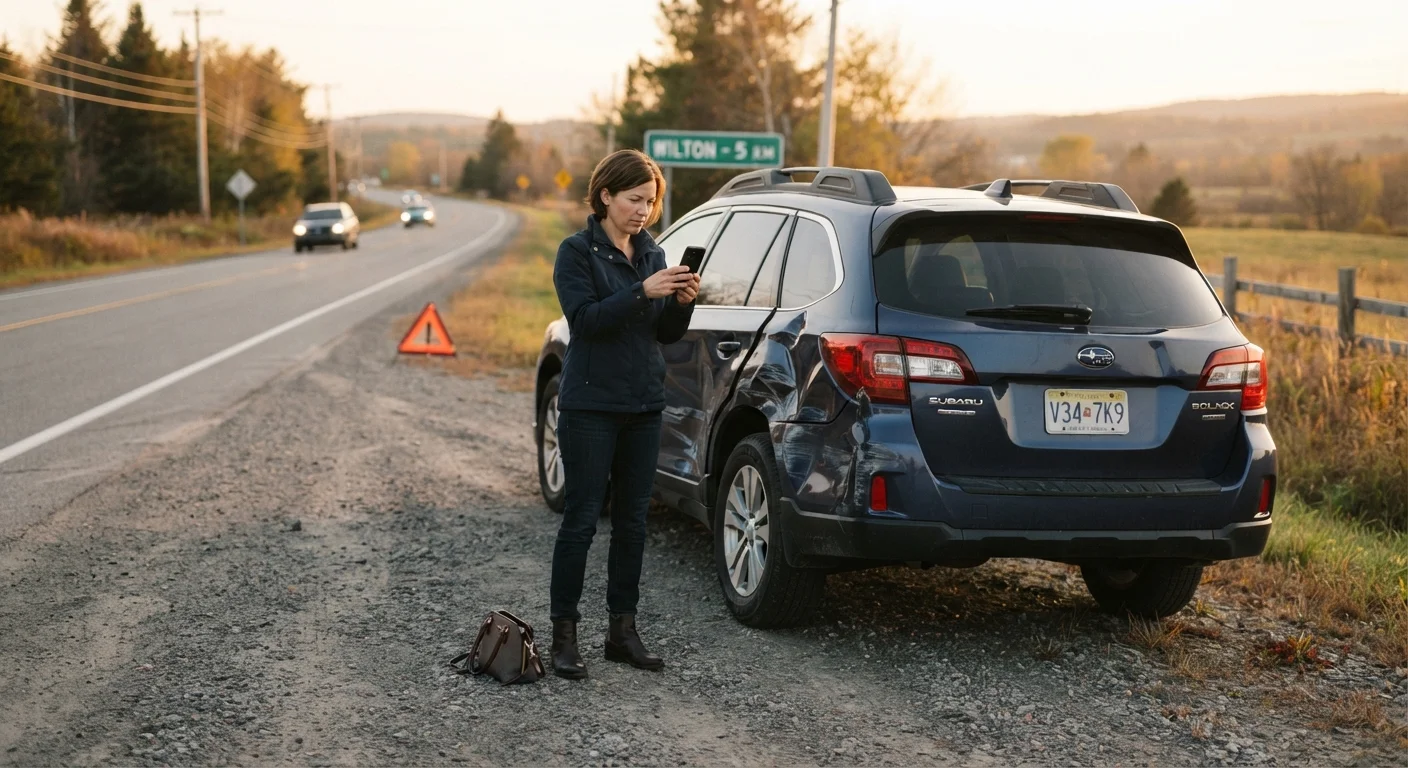
Take photographs from multiple angles: the damage to all vehicles involved, the broader scene including road signs and traffic signals, license plates, and any skid marks or debris. Note the exact time, location, weather, and road conditions. This visual record is difficult to reconstruct later and can meaningfully affect how your claim is evaluated.
Exchange Information With Other Parties
Collect the following from every driver involved: full name, address, phone number, driver's license number, license plate, vehicle make and model, and insurance company with policy number. If there are witnesses, ask for their names and contact details as well. Do not discuss fault, settlement, or compensation at the scene.
Notify Your Insurance Company Promptly
Contact your insurer as soon as reasonably possible - ideally the same day. Most policies require timely reporting, and delays can create complications. Use the claims number on your insurance card or your insurer's mobile app. Have your policy number, the police report number (if applicable), and your scene documentation ready when you call.
Understand What Your Coverage Applies
Before your adjuster begins their review, clarify which coverage types apply to your situation. Collision coverage typically handles damage to your own vehicle when you are at fault or the other driver is uninsured. Liability coverage handles damage you cause to others. Comprehensive covers non-collision events like theft or weather damage. Your deductible applies to claims on your own vehicle - not to liability payouts to others. For a clear breakdown, see what each coverage type actually does.
Work With the Claims Adjuster
Your insurer will assign an adjuster to assess the damage and determine fault and payout. Be cooperative and factual - describe what happened in clear, neutral language. Provide all documentation you collected. The adjuster may inspect your vehicle in person or use photos you submit. Ask the adjuster to explain the assessment process, the timeline, and how repair estimates are handled.
Track Every Communication and Keep Records
Maintain a log that includes the date, time, name of the representative, and a summary of every conversation you have with your insurer. Save all emails and written correspondence. If your vehicle is deemed a total loss or if a repair estimate is disputed, a clear paper trail helps you navigate next steps more effectively.
Keep a Claims-Ready Kit in Your Glove Box
Store a printed copy of your insurance card, a blank incident form, and a pen in your vehicle at all times. Having these on hand reduces stress after an accident and ensures you capture the right information even if your phone battery dies.
Never Admit Fault at the Scene
Fault is a legal and insurance determination made after a full investigation - not something to settle informally at the roadside. Even a casual apology can be used against you during the claims process. Stick to exchanging information and let your insurer handle liability questions.
This article is for general informational purposes only and does not constitute personalized insurance, legal, or financial advice. Coverage, eligibility, and claim outcomes vary by policy, provider, and state. Consult a licensed insurance professional and review your actual policy documents for guidance specific to your situation.