
What a Trip Itinerary Actually Contains
Most travelers begin itinerary planning by listing attractions they want to see. That's a starting point, but not yet an itinerary. A functional trip itinerary has five core elements working together:
- Arrival and departure logistics: Flight or transit details, confirmation numbers, airport-to-accommodation transfer plans.
- Day-by-day structure: A rough schedule for each day, anchored by at least one confirmed commitment (a reservation, a tour, a transit leg).
- Accommodation details: Property name, address, check-in and check-out times, and contact information.
- Activity and meal anchors: Pre-booked or high-priority experiences placed in realistic time slots.
- Buffer time: Deliberate gaps that absorb delays, spontaneous detours, or simply rest.
This structure is what separates a functional plan from a wishlist. If you're building a more comprehensive framework, our end-to-end trip logistics guide covers every stage from date-setting through final confirmation.
The Role of Pacing and Buffer Time
The most common itinerary failure isn't forgetting something-it's overpacking the schedule. When every hour is assigned, one delay cascades into missed reservations, rushed meals, and a trip that feels exhausting rather than restorative.
Experienced travelers treat buffer time as a structural feature, not a luxury. Some practical guidelines:
- Allow at least 90 minutes of unscheduled time per full travel day when you're moving between cities or regions.
- On activity-heavy days, schedule no more than two or three anchor commitments.
- Build one genuinely open half-day into every four-day block-this absorbs the unexpected and allows for a local discovery that no itinerary could anticipate.
Label Your Flex Points Before You Leave
Before your trip begins, mark each itinerary item as either 'fixed' (pre-paid or time-bound) or 'flex' (preferred but droppable). When a delay or opportunity arises mid-trip, you'll already know which items can shift without consequence-no stressful decision-making required in the moment.
Pacing also affects budget. Rushed travelers often spend more on taxis, skipped meals replaced by expensive convenience options, and last-minute bookings. Pairing your itinerary with a day-by-day travel spending plan helps you see where tight scheduling creates financial pressure.
Building Your Itinerary Layer by Layer
Constructing an itinerary works best as a layered process rather than a single sitting. Start broad and add specificity as bookings are confirmed.
- Layer 1 - Fixed anchors: Lock in flights, accommodation, and any time-sensitive bookings (tours, permit-required sites, events). These are non-negotiable and set your structural timeline.
- Layer 2 - Daily intentions: For each day, note one or two priority activities-places you'd regret missing. Don't assign specific hours yet.
- Layer 3 - Logical sequencing: Arrange activities by geography within each day so you're not crossing the city repeatedly. Group attractions by neighborhood or district.
- Layer 4 - Time estimates: Assign realistic durations. Most museums take two to three hours; a day hike may consume six to eight. Be honest about travel time between points.
- Layer 5 - Flexibility flags: Mark which items are firm (pre-paid, timed) and which are optional. When something slips, you already know what to drop.
62%
Travelers who report over-scheduling as a top trip stressor
Survey data from the US Travel Association has consistently identified pacing and over-commitment as leading sources of travel dissatisfaction among American leisure travelers.
3-6 months
Lead time for international trip planning among experienced travelers
Travel industry research suggests most complex international itineraries benefit from beginning logistics planning three to six months before departure to secure preferred accommodation and transport.
For trips spanning multiple destinations, this layered approach becomes especially important. See our guide on managing multi-city trip logistics for sequencing strategies across destinations.
When to Consult Official Sources and Verify Details
An itinerary is only as reliable as the information behind it. Conditions change-operating hours shift seasonally, entry requirements evolve, and transport schedules are revised. Before finalizing any itinerary:
- Confirm attraction hours and booking requirements directly with the venue or official tourism sites.
- Check any visa, entry, or health documentation requirements with your government's official travel advisory portal (for US citizens, that's travel.state.gov) and the destination country's official immigration resources.
- Verify transportation schedules with the actual carrier, not third-party aggregators, especially for regional trains, ferries, or small-airline routes.
This step is particularly important for international trips where policies can differ significantly from what travel blogs or older guides report. Don't treat any single source-including this one-as definitive for entry rules or operational details.
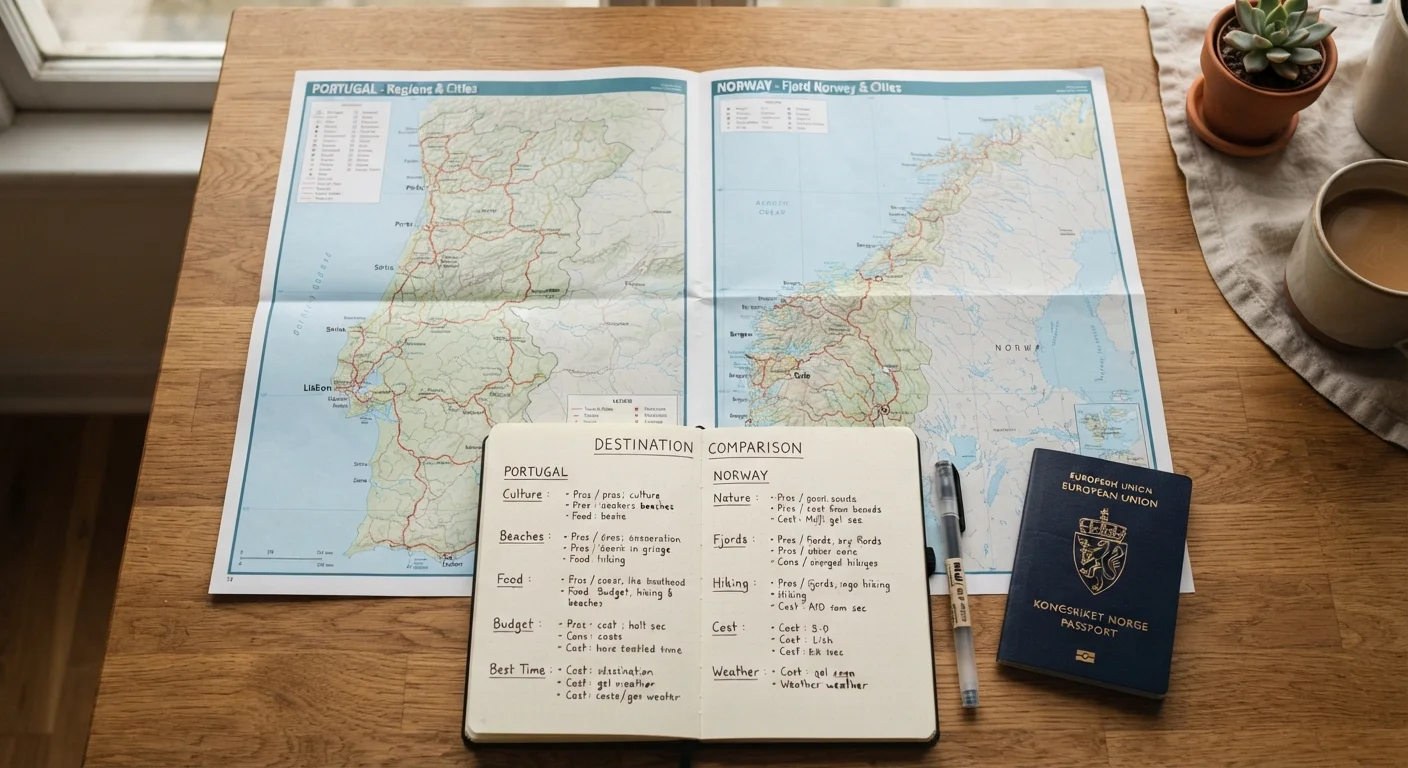
If your destination research is still in progress, our overview of what to evaluate before booking a destination gives you a structured framework for assessing any location before you commit.
Once your itinerary is settled, destination research and travel budgeting are the two disciplines most likely to refine and strengthen your plan further.