Why Small Pets Are So Good at Hiding Illness
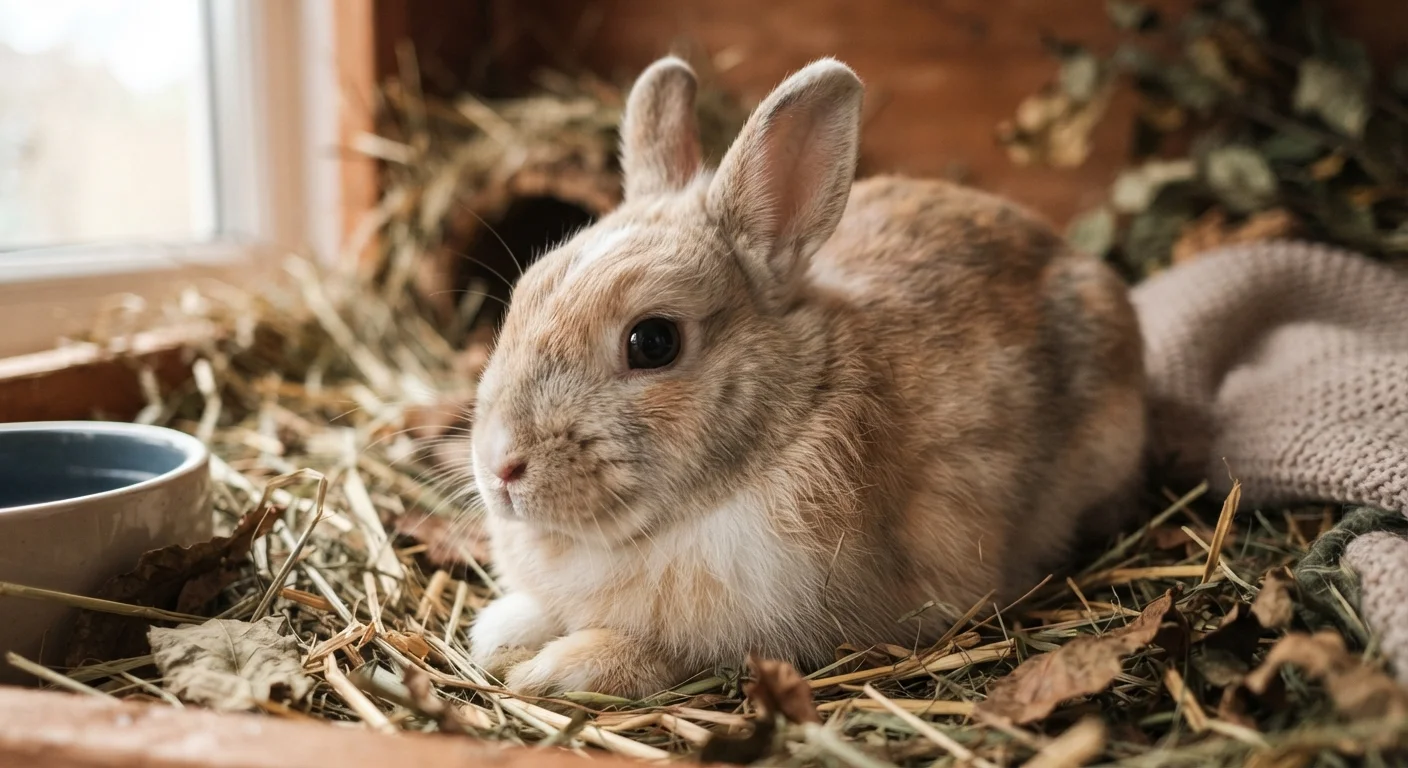
Prey animals - rabbits, guinea pigs, hamsters, gerbils, and many birds - are hardwired to mask vulnerability. In the wild, showing weakness invites predation, so they suppress visible signs of pain or sickness until they can no longer do so. This survival instinct makes illness detection genuinely difficult for owners, even those who are highly attentive.
The result: by the time a small pet looks obviously unwell, the underlying condition may already be advanced. This is why knowing the subtle warning signs matters far more than waiting for dramatic symptoms. The signs below apply broadly to small mammals and pet birds, though species-specific context is included throughout.
If you are new to small pet ownership, our readiness checklist covers what to expect before bringing one home - including how to identify a qualified vet in advance. For rabbit owners specifically, our rabbit care guide provides a strong health baseline to compare against.
Changes in Eating or Drinking Habits
A sudden drop in appetite - or in some cases, increased thirst - is one of the earliest and most reliable indicators that something is wrong. Rabbits that stop eating hay, guinea pigs that ignore vegetables they normally seek out, or birds that leave seed untouched are all displaying meaningful deviations from baseline behavior.
For rabbits in particular, gastrointestinal stasis (a slowdown or halt in digestive movement) is a life-threatening condition that often begins with reduced food intake. Any rabbit that hasn't eaten within a few hours warrants urgent attention. With rodents, weight loss may be easier to detect through regular handling than through observation alone - a weekly gentle weigh-in using a kitchen scale can help you catch changes early.
A rabbit that stops eating hay even briefly may be experiencing a serious digestive emergency.
Altered Droppings or Urine Output
Droppings are an underappreciated health window for small animals. Rabbit cecotropes (the soft, clustered droppings rabbits re-ingest) left uneaten, or fecal pellets that are small, misshapen, or absent, signal digestive trouble. Guinea pig droppings should be firm and consistent; loose or infrequent output warrants monitoring.
In birds, changes in dropping color, consistency, or volume - including unusually watery or discolored urates (the white portion) - can indicate infection, liver issues, or dietary problems. Rodents that produce notably less urine than usual, or that appear to strain, may have urinary tract issues that progress quickly. Keeping a loose mental baseline for what is normal for your specific pet makes these changes far easier to spot.
Dropping changes in small animals are often the first detectable sign of internal illness.
Reduced Activity or Unusual Stillness
Small pets have characteristic activity patterns - hamsters are nocturnal and typically active after dusk; guinea pigs vocalize and move throughout the day; healthy birds preen, vocalize, and shift perches regularly. When these patterns shift noticeably, it is worth paying attention.
A rabbit sitting hunched with its back arched, a hamster that remains inactive during its normally active hours, or a bird that sits fluffed at the bottom of the cage rather than on a perch - these are postures and behaviors associated with illness or pain. Because the instinct is to hide discomfort, stillness and withdrawal often substitute for the visible distress signals owners might expect. Understanding the normal activity patterns of your specific rodent species helps distinguish a sick animal from one that simply has a different natural rhythm.
Unusual stillness or a hunched posture in a normally active small pet often signals pain or illness.
Respiratory Changes
Labored, noisy, or rapid breathing is always a red flag in small animals and birds. Because of their small body mass, respiratory distress can escalate to a critical state very quickly. Tail-bobbing with each breath in birds, open-mouth breathing in rabbits (who are obligate nasal breathers), or audible clicking or wheezing in guinea pigs and rats all require same-day veterinary attention.
Subtle early signs are harder to catch: slightly elevated breathing rate, occasional sneezing accompanied by nasal discharge, or a bird that seems to breathe harder after minor exertion. These warrant monitoring and, if they persist beyond a day, a vet call. Respiratory infections in small animals can be bacterial, viral, or related to environmental irritants such as dusty bedding or strong cleaning products used near the enclosure.
Open-mouth breathing in a rabbit is always an emergency - rabbits are obligate nasal breathers.
Changes in Coat, Feathers, or Skin Condition
A healthy small mammal's coat should be smooth, clean, and free of bare patches or matted sections. Fur that appears greasy, unkempt, or thinning - especially when the animal was previously well-groomed - often indicates the animal is too unwell to groom itself, or is experiencing a skin condition, parasite infestation, or hormonal imbalance.
In birds, feather condition is similarly diagnostic. Excessive feather plucking, broken or malformed feathers (called "stress bars"), or persistent fluffed feathers during waking hours can signal nutritional deficiencies, infection, or psychological distress. Bare skin patches accompanied by scratching may indicate mites or fungal issues. These changes are gradual and easy to miss without consistent, close observation - making regular handling and visual checks a worthwhile routine habit.
Unkempt fur in a rodent often means the animal is too unwell to groom - not simply untidy.
Head Tilting, Loss of Balance, or Neurological Signs
A rabbit or rodent that holds its head persistently to one side - known as head tilt or torticollis - is displaying a neurological symptom that commonly points to inner ear infection or, in rabbits, a parasite called Encephalitozoon cuniculi. This is not a subtle sign, but it is frequently mistaken for quirky behavior by first-time owners unfamiliar with what it means.
In birds, loss of balance, falling off perches, or circling are similarly serious neurological indicators. Even mild, intermittent coordination problems - a hamster stumbling more than usual, or a guinea pig that seems disoriented in familiar surroundings - should prompt a veterinary consultation rather than a wait-and-see response. These signs point to conditions that are almost always beyond home management.
Head tilt in a rabbit is a recognized medical symptom, not a quirky habit - it needs prompt evaluation.
When to Act - and Who to Call
Because small animals deteriorate quickly, a 24- to 48-hour wait-and-see approach that might be reasonable for a healthy dog can be dangerous for a rabbit or bird. If you notice more than one of the signs described above - or even one that seems pronounced - contacting a veterinarian promptly is always the safer choice.
Build a Health Baseline Early
The most effective way to catch subtle illness signs is to know what 'normal' looks like for your individual pet. Spend a few minutes each day observing your animal's posture, activity, eating, and droppings - especially during the first few weeks of ownership. Keeping brief notes or taking periodic photos can help you identify gradual changes that might otherwise go unnoticed until they become serious.
Not all general practice vets are equipped to treat rabbits, birds, or small rodents. Finding a vet with exotic or small animal experience before an emergency arises is one of the most important steps you can take as an owner. Our guide to exotic pet veterinary care in the US explains how to locate appropriate care and what to expect at appointments.
For context on how this instinct to hide pain compares across species, see our companion piece on signs your dog may be in pain - the parallels are striking, and the same observational mindset applies.
This article is for general informational purposes only and is not a substitute for professional veterinary advice. Always consult a licensed veterinarian for concerns about your pet's health.