Why This Single Question Reshapes Your Budget
Most budgeting challenges do not come from a lack of willpower - they come from a lack of clarity. When every expense feels equally justified, every dollar is at risk. The question 'Is this a need or a want?' acts as a filter that forces honest evaluation before money leaves your account.
Understanding the distinction is foundational to nearly every budgeting method available. As our plain-language budgeting guide explains, living within your means requires knowing where your money is going - and why. Without the needs-vs.-wants framework, that self-awareness is much harder to build.
The practical payoff is immediate: once you can identify which expenses are non-negotiable, you can protect them first and make genuinely free choices with whatever remains.
Defining the Categories - and Their Blurry Edges
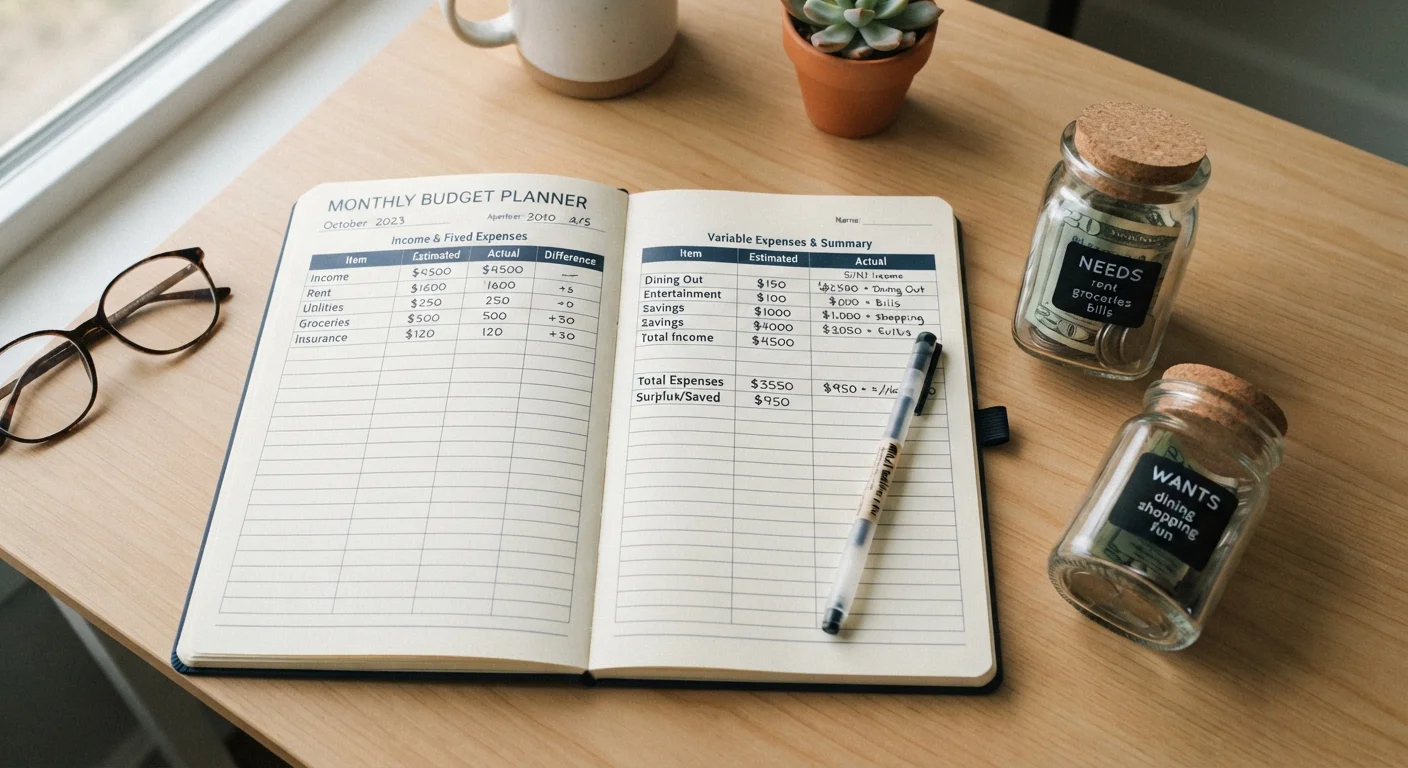
Needs are expenses that maintain your basic health, safety, and capacity to function and earn. Core examples include:
- Rent or mortgage payments
- Basic groceries and household staples
- Utilities - electricity, heat, water
- Transportation to and from work
- Essential medications and health coverage
- Minimum debt payments to avoid default
Wants are everything beyond that foundation - purchases that improve comfort, add convenience, or provide enjoyment without being strictly required. Dining out, streaming subscriptions, gym memberships, and upgraded gadgets typically fall here.
The difficulty lies in the gray zone. A car may be a need in a rural area with no public transit but a want for someone with reliable commute alternatives. A smartphone base plan may be a need; the latest flagship model is a want. Context determines classification - not the item itself.
Needs and Wants Can Overlap Within One Bill
A single expense can contain both categories. Your monthly grocery bill includes needs (staple foods) and wants (specialty items, snacks, premium brands). Rather than labeling the entire expense as one or the other, try estimating the split - this gives you a more accurate view of where spending can flex without sacrificing essentials.
This same logic applies when reviewing fixed vs. variable expenses in your budget. Some needs are fixed (rent); others are variable (groceries). Layering both frameworks gives you a more precise picture of where your money is actually going.
The Most Common Misclassifications - and How to Spot Them
Research from the Consumer Financial Protection Bureau (CFPB) and Federal Reserve surveys consistently shows that many Americans underestimate their discretionary spending. One key reason: habitual wants get reclassified as needs over time simply because they feel routine.
~33%
Americans with no emergency savings buffer
Federal Reserve surveys have consistently found that roughly a third of US adults would struggle to cover an unexpected $400 expense, often linked to unclear spending priorities.
50%
After-tax income targeted for needs
The widely referenced 50/30/20 budgeting framework recommends allocating approximately half of take-home pay to essential needs.
$1,000+
Estimated annual discretionary spending on unused subscriptions
Consumer research from multiple financial wellness organizations suggests many households pay for digital subscriptions and services they rarely or never use.
Watch for these common misclassifications:
- Cable or streaming bundles
- Often labeled 'essential' because they feel constant - but entertainment is discretionary by definition.
- Frequent restaurant meals
- Eating is a need; dining out is a want. The distinction lies in whether home cooking is a realistic option.
- Brand-name clothing
- Clothing is a need; specific brands or seasonal fashion upgrades are wants.
- Premium subscriptions and apps
- Useful tools may be needs; premium tiers with features you rarely use are wants.
A practical test: ask yourself whether skipping the expense would put your health, safety, or employment at genuine risk. If the honest answer is no, it belongs in the wants column.
Putting the Framework Into Practice
Applying this distinction does not require a complicated system. A straightforward approach:
- List every monthly expense - pull up your last two or three bank and credit card statements.
- Label each line item as a need, a want, or uncertain.
- Review the uncertain column carefully - apply the 'health, safety, or employment' test to each.
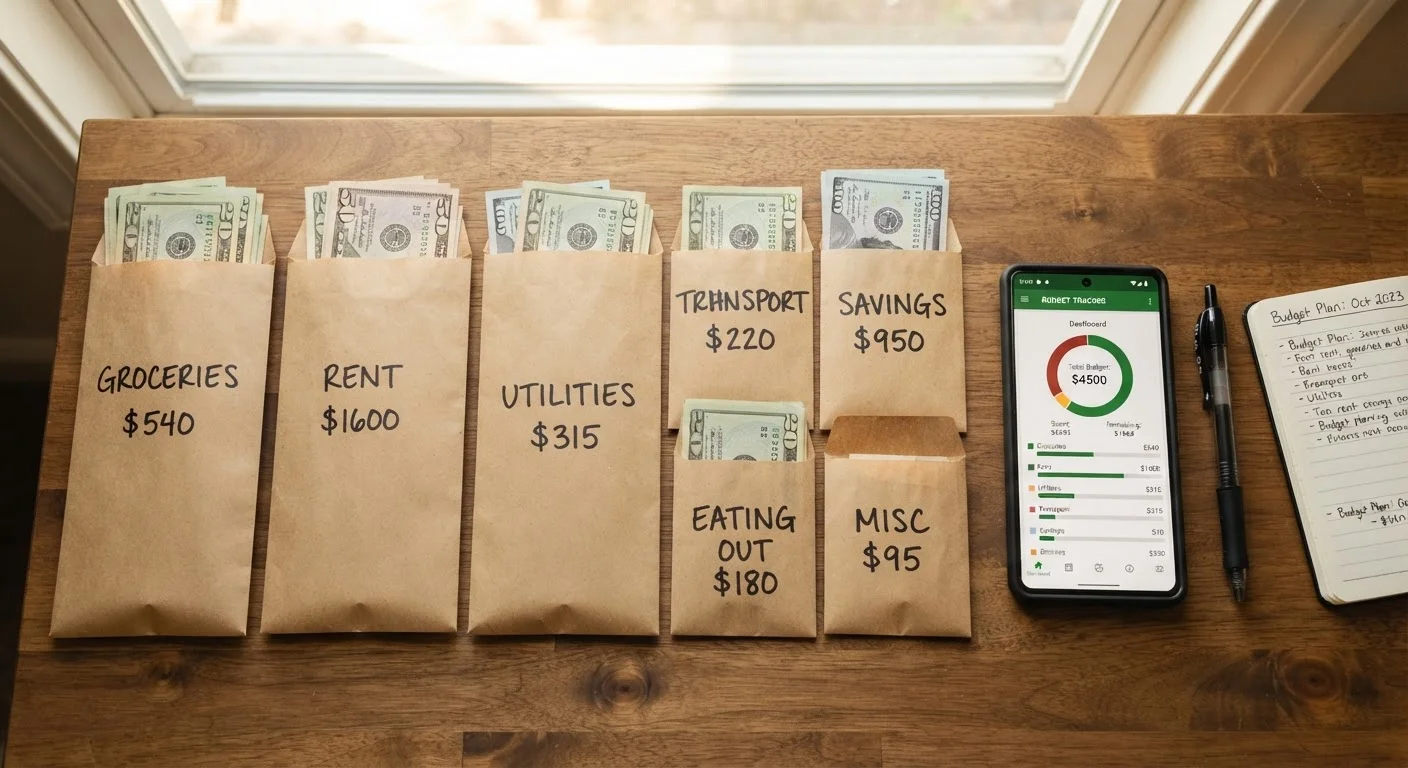
- Allocate accordingly - fund needs first, then savings goals, then wants with what remains.
This exercise pairs naturally with structured budgeting methods. Our comparison of the 50/30/20 rule vs. zero-based budgeting shows how both frameworks depend on this same underlying categorization to function correctly.
Revisit Your Classifications Regularly
Life changes - new jobs, moves, family additions, or health shifts - can reclassify expenses in both directions. Set a reminder to review your needs-vs.-wants list every six months or whenever a major life change occurs. What was a want last year may be a genuine need today, and vice versa.
The goal is not to strip your budget of wants - that approach is rarely sustainable. It is to spend on wants with full awareness, after your needs and financial goals are covered. That shift alone can meaningfully reduce financial stress over time. For those working to build savings or manage debt, getting this classification right is often the most important first step.
This article is for general informational and educational purposes only and does not constitute personalized financial advice. Consult a qualified financial professional for guidance tailored to your individual circumstances.