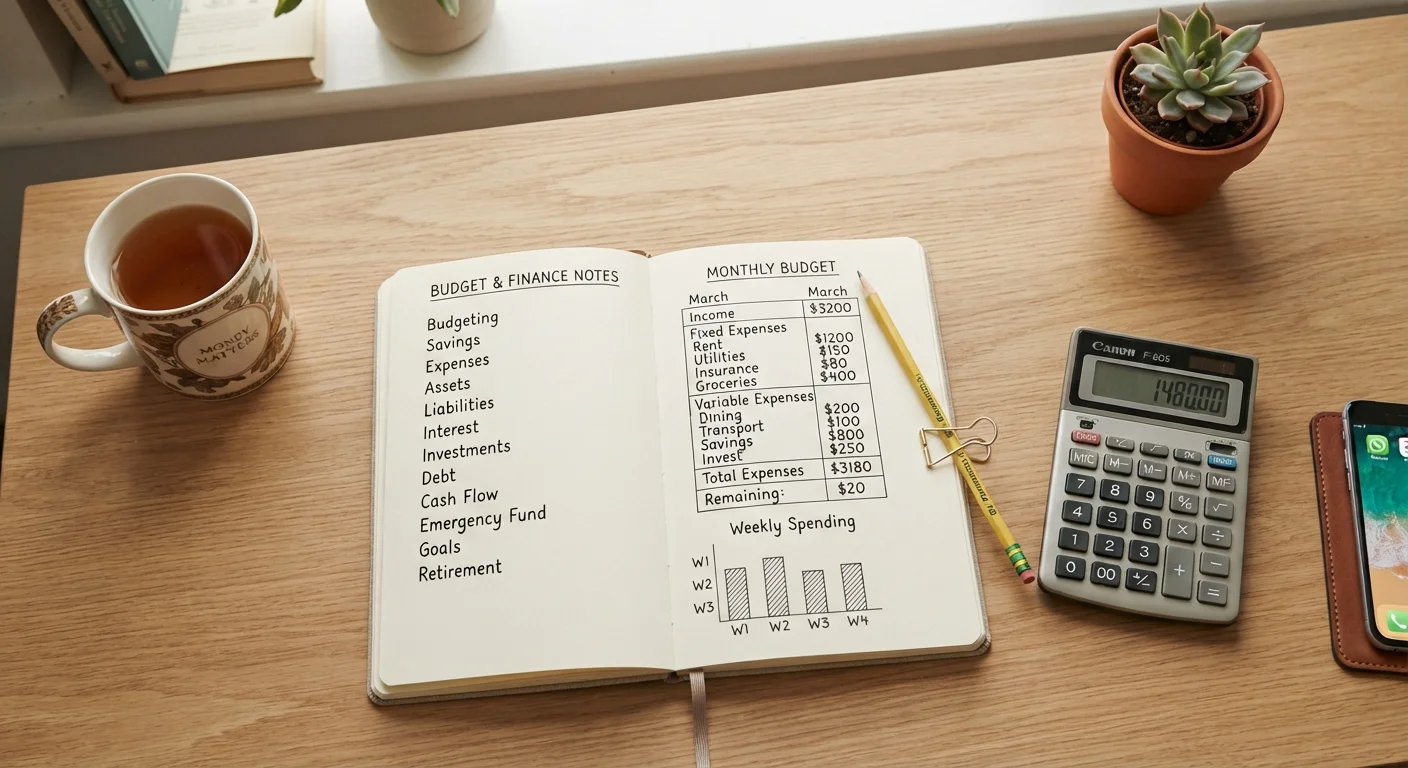
How the Envelope Method Works
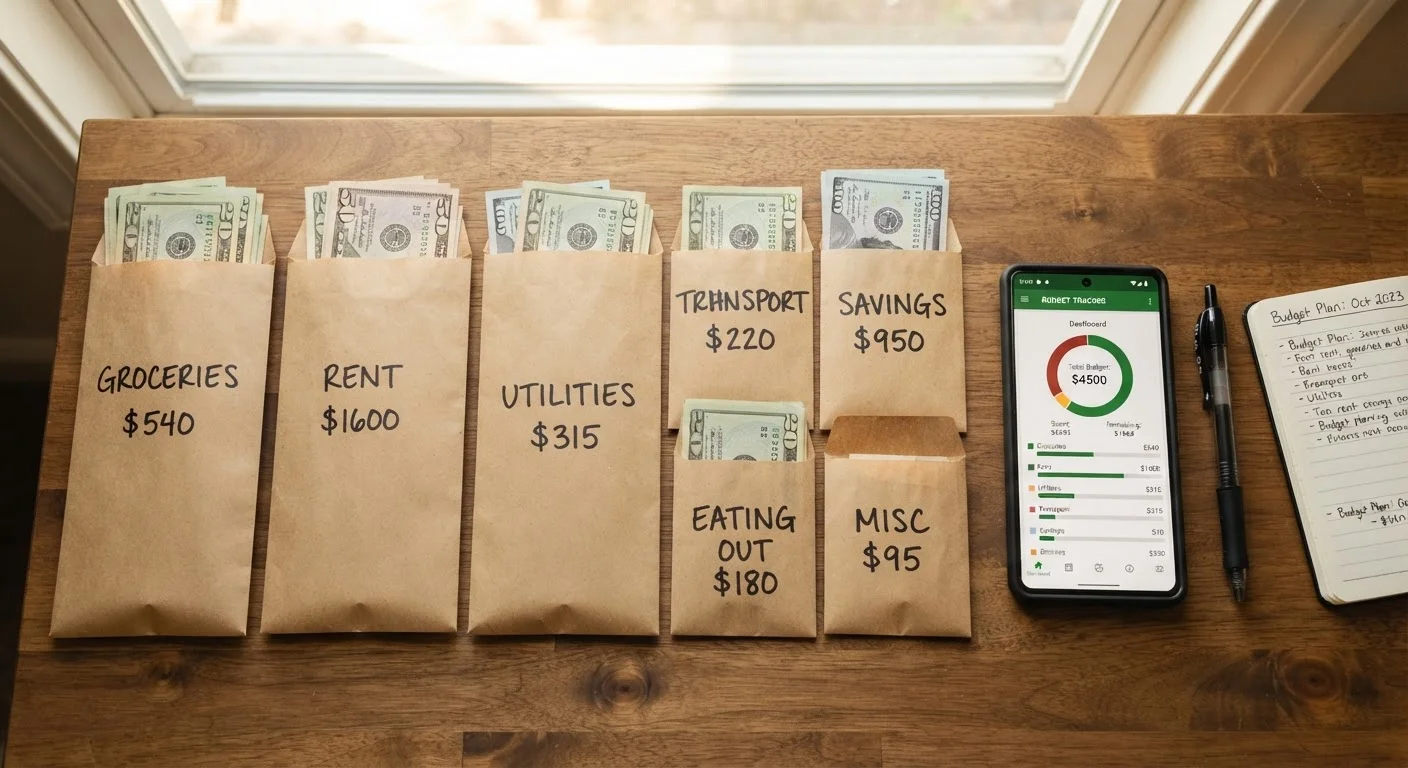
The envelope budgeting method, sometimes called cash stuffing, is a zero-based approach to managing discretionary spending. At the start of each pay period, you divide a set amount of cash among labeled envelopes - one for groceries, one for dining out, one for entertainment, and so on. When an envelope is empty, spending in that category stops until the next cycle.
The method has roots in pre-digital household money management, but it gained renewed popular interest as people looked for tangible ways to break habits of casual overspending. The underlying principle is straightforward: making spending physical and finite makes it easier to feel the real cost of each purchase.
For context on how this approach compares to other popular frameworks, see a broader look at budgeting methods that covers pay-yourself-first, proportional budgets, and more.
The Advantages of Envelope Budgeting
The method's staying power comes from several well-documented behavioral benefits:
Prevents overspending in specific categories
Because each envelope holds a fixed amount, you can't exceed your grocery or dining budget without a deliberate decision to reallocate funds. This hard limit is difficult to replicate with a debit card or credit card alone.
Makes spending tangible and visible
Physically handling cash and watching an envelope thin out creates a direct feedback loop that digital transactions rarely provide. Studies in behavioral economics suggest this tactile awareness tends to reduce impulse spending.
No complex tools or software required
The system works with envelopes, a pen, and cash - making it accessible to anyone regardless of tech comfort level or smartphone access.
Encourages pre-commitment to a spending plan
Allocating money before the pay period begins means spending decisions are made thoughtfully in advance, rather than reactively in the moment at a checkout counter.
Can accelerate progress on savings goals
By treating a savings envelope the same as any spending category, users can build a consistent savings habit within the same structure they use for groceries and entertainment.
Research in behavioral economics consistently finds that people spend less cautiously with card transactions than with cash, often because swiping feels abstract. The envelope system removes that abstraction entirely. If you want to understand more about why budgeting misconceptions persist - including the idea that it restricts enjoyment - common budgeting myths debunked is worth a read.
The Limitations Worth Knowing
Despite its effectiveness for many people, the envelope method has real constraints that are worth weighing honestly:
Carrying cash is increasingly impractical
Many US transactions - from online purchases to app-based services - require a card or digital payment. Strict cash-only envelopes don't translate cleanly to these common spending scenarios.
Physical cash carries security risks
Unlike bank-held funds, cash in envelopes is uninsured and unrecoverable if lost, stolen, or destroyed. This is a meaningful risk for people budgeting larger amounts.
Time-consuming to set up and maintain each cycle
Withdrawing, counting, and distributing cash every pay period demands consistent time and effort. For busy households, the friction of maintaining the system can lead to abandonment.
Doesn't naturally cover fixed or digital bills
Rent, insurance, and subscription payments are rarely made in cash. Users must manage these separately, creating a parallel system that adds complexity.
Misses credit card rewards and purchase protections
Spending exclusively in cash means forgoing the fraud protections, purchase guarantees, and potential rewards programs available through major credit cards - benefits that carry real dollar value for some households.
Envelope Budgeting and Variable Income
If your income varies month to month - as it does for freelancers, gig workers, or commission-based earners - envelope budgeting requires an extra step. Many financial educators suggest basing envelope amounts on your lowest expected monthly income rather than an average, then treating any additional earnings as a separate decision. This approach prevents the system from breaking down during lower-earning months. For more tailored guidance, consider speaking with a nonprofit credit counselor or certified financial planner.
The method also doesn't directly address fixed expenses such as rent, utilities, or loan payments, which are better handled through automatic transfers or scheduled bill pay. Envelope budgeting works best when combined with a system that already accounts for non-negotiable monthly obligations. Before implementing any new budgeting method, a monthly spending audit can help you identify which categories most need the guardrails an envelope system provides.
Digital Envelope Apps: The Hybrid Approach
A range of budgeting apps now replicate the envelope framework digitally, allowing users to create virtual spending categories, set limits, and track real-time balances - all without managing physical cash. Transactions can be logged manually or imported from linked bank accounts, depending on the platform.
~80%
US adults using digital payments regularly
The Federal Reserve's Diary of Consumer Payment Choice consistently finds that most US adults now make the majority of payments electronically rather than in cash.
12-18%
Typical reduction in discretionary spending with cash
Multiple behavioral finance studies have found that consumers tend to spend measurably less when paying with physical cash compared to card transactions, due to the psychological 'pain of paying.'
The trade-off with digital envelopes is that the psychological friction of spending physical cash is reduced. You don't feel money leave your hand the same way. However, for people whose lifestyle makes cash impractical - frequent online shopping, subscription services, or business travel - digital envelopes may offer a workable middle ground. For those managing trip expenses specifically, the same categorization logic applies; see tracking real-time spending while traveling for a practical take on envelope logic applied on the road.
The envelope method is ultimately one tool in a broader set of strategies. If you're weighing it against structured percentage-based approaches, comparing the 50/30/20 rule with zero-based budgeting can help clarify which framework better fits your income pattern and financial goals.
This article is for general informational and educational purposes only and does not constitute personalized financial advice. Please consult a qualified financial professional for guidance specific to your situation.