What Sets These Two Flooring Types Apart
The fundamental difference comes down to construction. Solid hardwood is exactly what it sounds like - a plank milled entirely from one piece of lumber, typically ¾ inch thick. Its durability is intrinsic to that solid mass. Engineered wood, by contrast, is built in layers: a real hardwood veneer on top, bonded to multiple plies of plywood or high-density fiberboard (HDF) beneath. That layered core is the key engineering advantage.
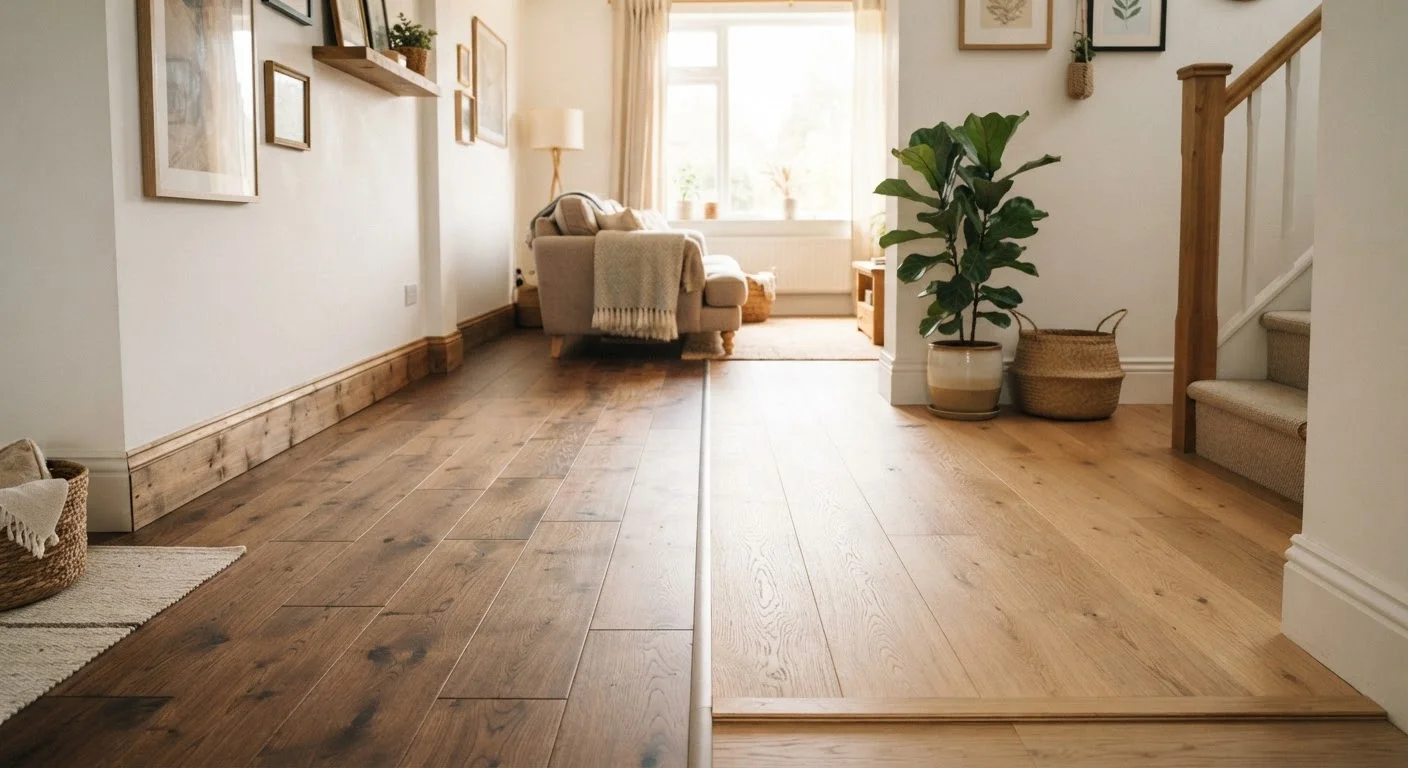
Because wood expands and contracts as humidity changes, a solid plank responds uniformly - it swells and can buckle in high-moisture environments. The cross-directional plies in engineered wood counteract this movement, keeping the plank dimensionally stable. Both products look nearly identical after installation because the surface you see and walk on is genuine hardwood in both cases.
| Criterion | Solid Hardwood | Engineered Wood |
|---|---|---|
| Core construction | Single solid wood plank | Hardwood veneer over plywood/HDF core |
| Moisture resistance | Low - prone to warping | Moderate - dimensionally stable |
| Suitable subfloors | Wood subfloor only | Wood, concrete, existing tile |
| Below-grade installation | Not recommended | Generally suitable |
| Radiant heat compatibility | Limited; check manufacturer specs | Generally compatible; verify specs |
| Refinishing potential | 4-6 times over lifespan | 1-2 times depending on veneer thickness |
| Typical installation method | Nail or staple down | Nail, glue, or float |
| Upfront cost | Generally higher | Moderate to high; varies by product |
Room-by-Room Guidance
Choosing the right flooring is less about which product is inherently superior and more about matching each product's performance profile to the specific conditions of a room.
Living Rooms and Dining Rooms
These spaces are typically above grade, well-insulated, and climate-controlled - ideal conditions for solid hardwood. The ability to refinish the floor over many decades makes solid hardwood a strong long-term investment here. Engineered wood also performs well in these rooms, so if you're standardizing flooring across multiple levels of the home, using engineered wood in the main living areas is entirely reasonable.
Bedrooms
Both options work in bedrooms. If a bedroom is on the ground floor over a crawlspace or slab, engineered wood offers an added margin of safety against seasonal moisture fluctuations. On upper floors with a plywood subfloor, solid hardwood is equally appropriate.
Kitchens
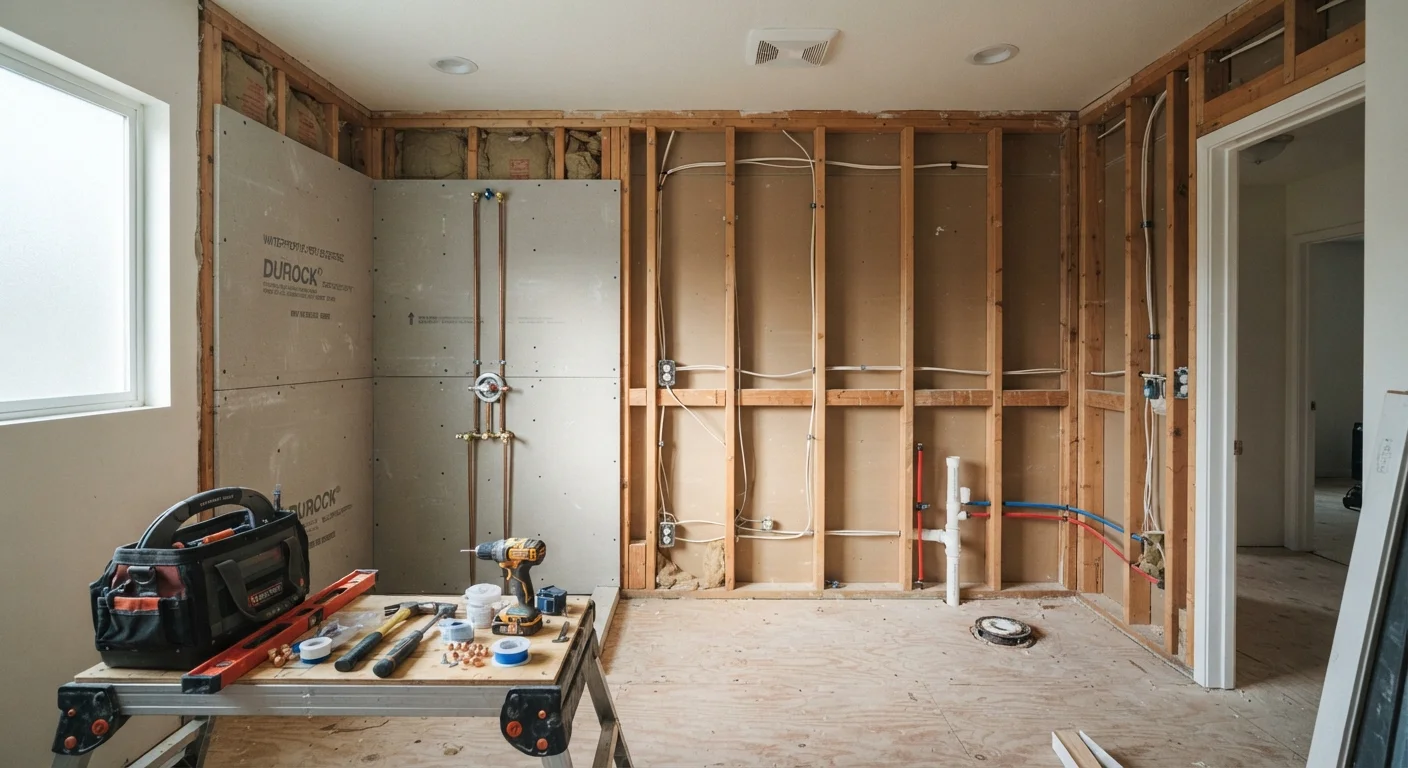
Kitchens present moderate moisture exposure from cooking, dishwashers, and occasional spills. Most flooring manufacturers do not recommend solid hardwood for kitchens. Engineered wood is generally considered the more suitable choice, though proper sealing and prompt spill cleanup remain important regardless of which product is used.
Basements
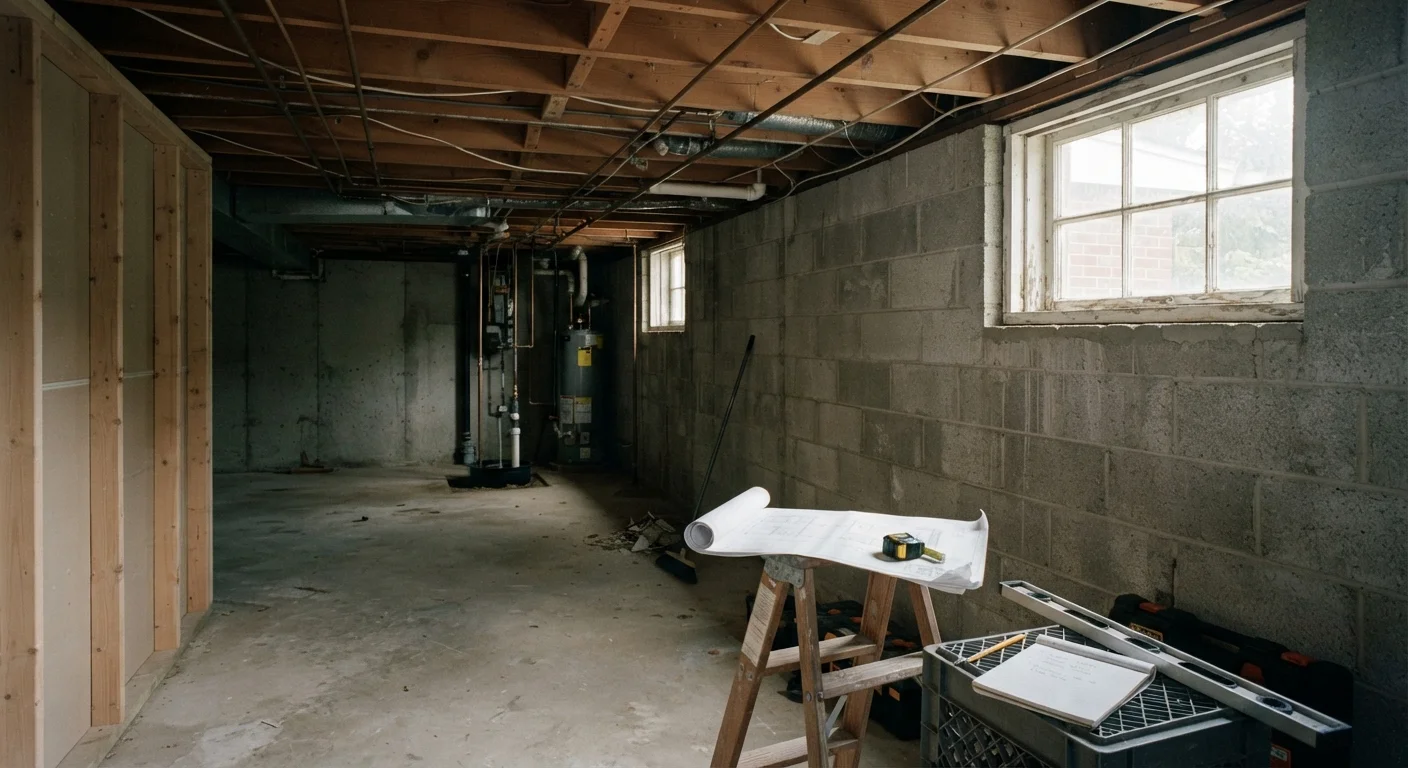
This is where the decision becomes clear-cut. Solid hardwood should not be installed below grade. Basement environments have higher ambient humidity and are more susceptible to moisture intrusion from the slab. Engineered wood - particularly when glued directly to a concrete subfloor - is the appropriate choice.
Acclimation Is Not Optional
Both solid and engineered hardwood flooring require an acclimation period before installation - typically 3 to 5 days stored in the room where they'll be installed. This allows the planks to adjust to the home's ambient temperature and humidity. Skipping acclimation is one of the most common causes of post-installation gapping, buckling, and warranty disputes. Always follow the specific acclimation guidelines provided by the flooring manufacturer.
Radiant Heating Systems
If your home uses in-floor radiant heat, verify compatibility with the flooring manufacturer before purchasing either product. Engineered wood is generally more compatible with radiant systems, though species and veneer thickness still matter. Always follow the manufacturer's specific temperature and humidity guidelines.
Installation, Cost, and Maintenance Considerations
Solid hardwood must acclimate to a home's humidity level for several days before installation - skipping this step risks warping after the floor is laid. It is typically nailed or stapled to a wood subfloor. Engineered wood offers more installation flexibility: it can be nailed, glued, or floated, and works over concrete, wood, and in some cases existing tile.
On cost, solid hardwood generally carries a higher price per square foot for both material and installation labor, though this varies significantly by wood species and regional market. Engineered wood's cost range overlaps with solid hardwood at the higher end, particularly for products with thicker veneers.
For maintenance, both floors benefit from regular dry-mopping and should not be exposed to standing water. Solid hardwood's refinishing advantage is meaningful over a 30- to 50-year ownership horizon, but it only matters if the floor actually needs refinishing - well-maintained floors in low-traffic areas may rarely require it. Just as understanding material layers matters in flooring decisions, the same layered-material thinking applies in other renovation projects: our guide to insulation types walks through how different materials perform across various home conditions.