
Why Uncertainty Changes How You Should Pack
Most packing advice assumes you know exactly where you're going and what you'll do each day. But many trips - especially first attempts at open-ended or multi-destination travel - don't come together that neatly. When your itinerary is still evolving, packing around a rigid plan can leave you over-equipped for activities that get dropped and under-prepared for ones that get added.
The practical solution is to shift from destination-specific packing to activity-category packing: organizing your bag around the types of activities you might do, rather than the confirmed ones. This approach creates a buffer that absorbs changes without forcing you to buy replacements or check a second bag. For a broader look at how logistics fit together before departure, see the complete trip planning framework.
When Your Itinerary Is Genuinely Unknown
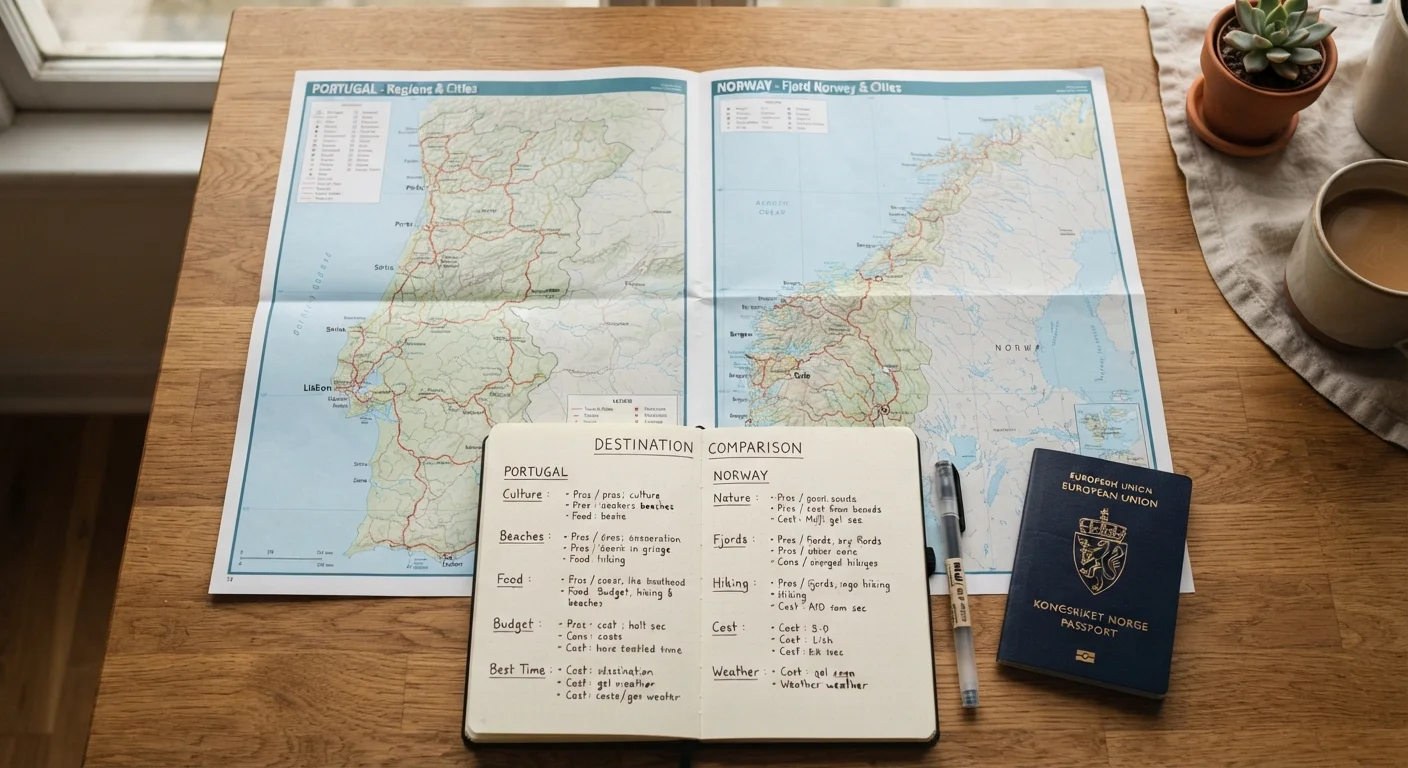
If you truly don't know your destinations yet - for example, you're deciding between regions mid-trip - focus entirely on climate range and activity type rather than location-specific gear. Research the broadest plausible conditions and pack to the middle of that range. You can always supplement locally for specific conditions you didn't anticipate. See destination research guidance for how to evaluate location options before and during your trip.
Best Practices for Packing an Unfinished Itinerary
Pack around activity categories, not scheduled days.
When specific plans are uncertain, grouping gear by activity type - walking/urban, outdoor/active, formal, beach - ensures you cover likely scenarios without duplicating items. If an activity gets dropped, the clothes that would have served it typically double for something else.
Choose a neutral, layerable clothing palette.
Neutral tones mix and match across more contexts, reducing how many total pieces you need. Layers handle wider temperature swings than a single season-specific outfit, which matters when your destination climate remains partially unknown.
Default to carry-on luggage unless checked bags are unavoidable.
Carry-on bags make mid-trip redirects easier - fewer airline change fees, faster airport transitions, and no risk of checked luggage arriving late to a newly added stop. They also impose a useful size discipline that discourages overpacking.
Leave 20-25% of bag capacity intentionally empty.
Unplanned purchases, weather gear, or items acquired in transit are predictable even when the specifics aren't. A packed-to-capacity bag on departure day creates real stress when you need to fit something in later.
Prioritize non-negotiables first: documents, medications, and universal basics.
Regardless of how much the itinerary changes, certain items are always required. Anchoring your pack list around these before adding context-specific gear ensures the essentials are never crowded out by speculative additions.
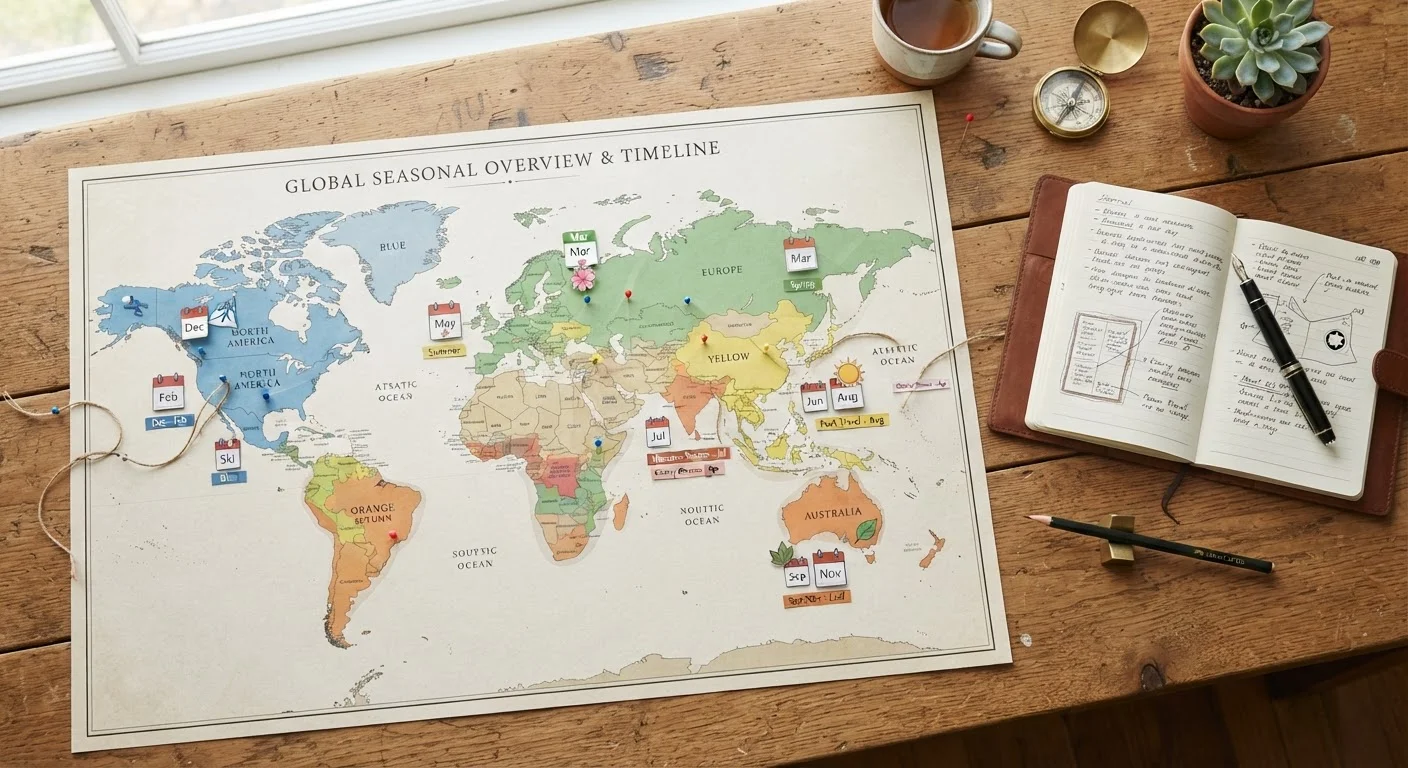
Research the widest plausible climate range for your destination window.
Even without a finalized itinerary, most trips have a rough geographic region and travel window. Identifying the coldest and warmest plausible conditions in that range gives you packing parameters that hold up even if specific locations shift.
Quick Wins You Can Act on Today
Even with limited planning, several actions immediately improve how well your packing holds up to a shifting trip. These steps take minutes but pay off throughout your journey.
What the Experts Emphasize
“The best travel gear is gear you barely notice you're carrying. Versatility is not a compromise - it is the design goal.”
— Rick Steves, Travel author and public television host specializing in independent travel
This philosophy shows up repeatedly in travel planning: the traveler who packs fewer, smarter items moves through unexpected changes more easily than one who has the "perfect" outfit for every pre-booked occasion. If your trip spans multiple cities or itinerary threads, organizing a multi-city trip covers how to keep logistics manageable even as plans shift. And once your packing is settled, use the pre-departure checklist to confirm you haven't missed documents, bookings, or health prep.
This article provides general travel planning guidance only. Conditions, requirements, and costs vary by destination and time of travel. Verify entry requirements, safety advisories, and local regulations with official government and provider sources before you depart.