The Gap Between the Plan and Reality
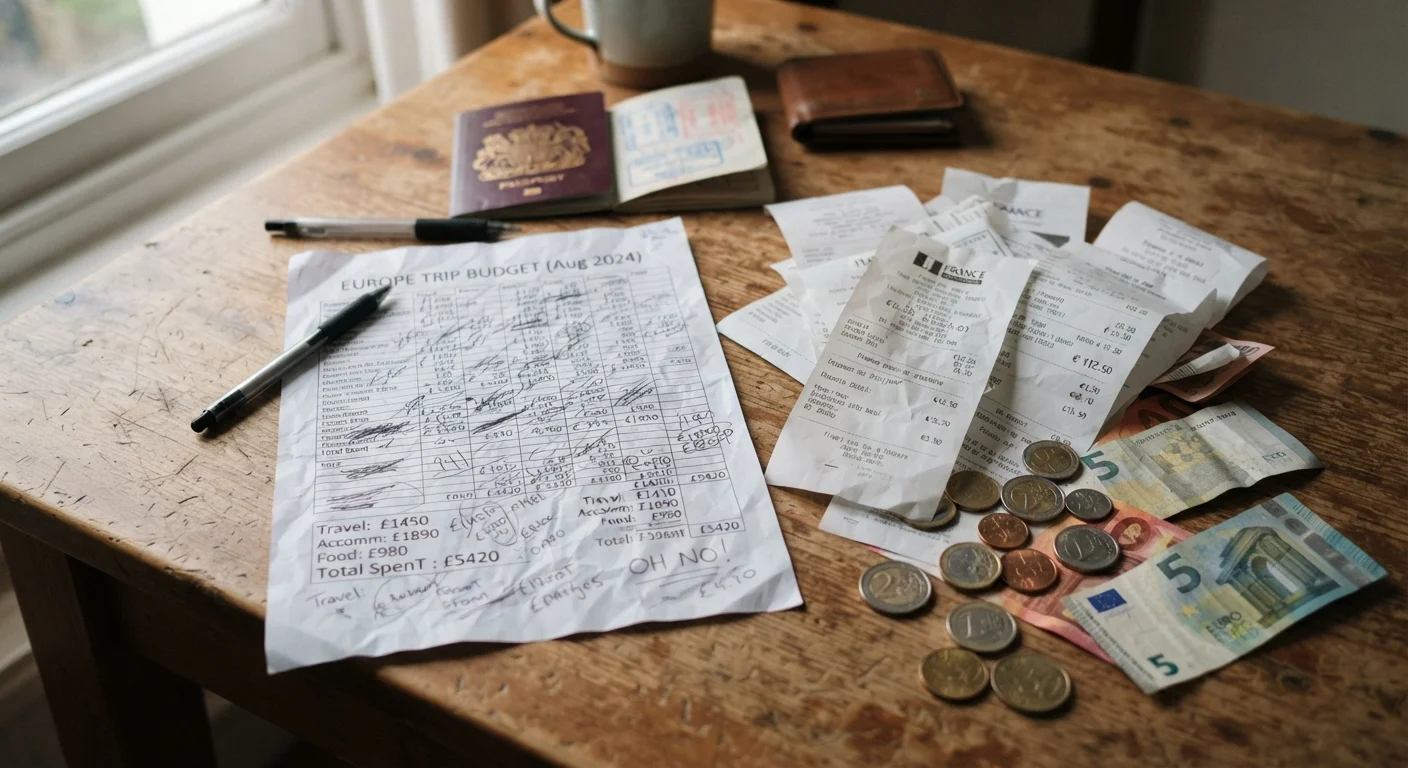
Returning home over budget is so common among travelers that many treat it as inevitable. It is not. But fixing the problem requires understanding both the structural gaps in how most people build travel budgets and the behavioral patterns that quietly inflate spending once a trip begins.
Research in consumer spending consistently shows that people underestimate variable, discretionary costs - exactly the category that dominates travel. When you plan a trip, you likely nail the fixed costs: flights, lodging, and perhaps a prepaid tour. What tends to escape the plan are the dozens of small decisions made in the moment - an extra drink, a taxi instead of a bus, a souvenir that seemed reasonable at the time.
For a structured starting point, see our complete travel budgeting framework for an overview of every major cost category to account for before you book anything.
Why These Patterns Are So Hard to Break
Understanding a mistake intellectually does not automatically prevent it. Several structural and psychological forces push spending higher even when travelers are actively trying to stay on track.
~30%
Average trip cost overrun reported by leisure travelers
Multiple consumer travel surveys have found that a significant share of leisure travelers spend 20-40% more than their original estimate, with averages clustering around 30%.
15-20%
Recommended contingency buffer for travel budgets
Travel financial planners and budgeting resources commonly recommend reserving 15-20% of total projected trip costs as a contingency to absorb unexpected expenses.
One underappreciated factor is the planning fallacy - a well-documented cognitive bias where people systematically underestimate how long tasks will take and how much they will cost, even when they have prior experience showing otherwise. Applied to travel, this means your instinct about what a meal or a day of activities will cost is likely optimistic, not realistic.
Another structural issue is that most travel budgets are built in a single planning session weeks or months before departure. By the time you're on the ground, the budget feels abstract and distant - especially when you're tired, happy, or in a social situation where spending feels natural. Tracking spending in real time during a trip creates a feedback loop that keeps the budget relevant and visible throughout travel, not just before it.
Finally, most travelers do not account for post-trip costs at all. Airport parking fees, re-stocking groceries, getting clothes laundered, or taking time off work without pay - these expenses arrive the week after a trip and are rarely planned for. Including a post-trip line item in your original budget is a simple, overlooked fix.
For day-level granularity that makes overspending easier to catch early, consider building a day-by-day spending plan before you depart. A pre-trip budget checklist can also help you verify that all major categories are covered before you leave home.
Credit Card Spending Masks Overruns in Real Time
Paying by card throughout a trip makes it easy to lose track of cumulative spending - charges don't feel immediate the way cash does. If you're not actively logging expenditures or reviewing your card balance during travel, you may not realize you're over budget until you receive your statement weeks later. Consider logging each transaction in a notes app or a simple spreadsheet at the end of each travel day.
This article is for informational purposes only. All cost estimates and behavioral descriptions are general in nature and may not reflect your specific travel circumstances. Verify all trip costs with providers before booking.