
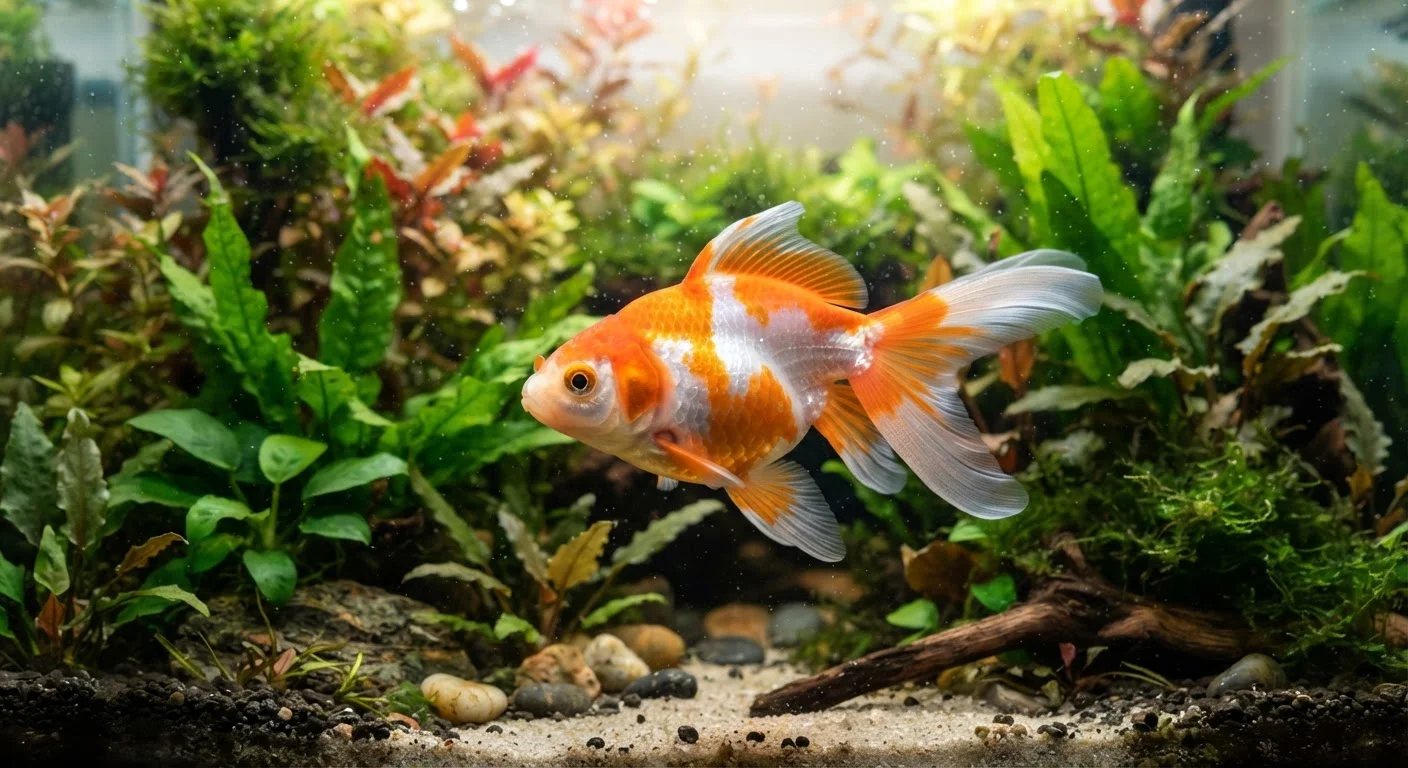
Why Goldfish Myths Are So Persistent
Goldfish are among the most commonly kept pets in the United States, yet they are also among the most widely misunderstood. Myths about their biology and care needs have circulated for decades - passed down through pet stores, schoolyard conversations, and outdated care guides. These misconceptions matter because they directly influence how people keep goldfish, often to the fish's detriment.
Understanding what's actually true isn't just an interesting exercise - it helps owners make decisions that meaningfully improve their fish's welfare and longevity. If you've believed any of the following, you're far from alone. But the science tells a different story.
Misconceptions aren't unique to fish care, of course. Similar patterns show up in areas like feline care myths, where long-held beliefs often contradict what behavioral science actually shows.
Myth
Goldfish only have a three-second memory.
Fact
Research shows goldfish can retain memories for months, not seconds.
This is perhaps the most widespread goldfish myth of all. Studies conducted by researchers, including a well-cited project by a student at Australia's Ascot Vale Primary School that gained significant attention, demonstrated that goldfish can be trained to associate stimuli with feeding and retain that association for at least several months. Goldfish can learn to navigate mazes, recognize feeding signals, and respond to environmental cues - none of which would be possible with a three-second memory. The myth likely persists because it conveniently excuses minimal care, but it has no credible scientific support.
Myth
Goldfish bowls are a perfectly fine home for goldfish.
Fact
Bowls are too small, lack filtration, and create water conditions that harm goldfish health.
The classic image of a goldfish in a small round bowl is one of the most harmful norms in pet keeping. Bowls typically hold only one to two gallons of water, which cannot maintain stable water chemistry. Without a filter, ammonia from fish waste builds up rapidly and causes chemical burns to gills, organ damage, and death. Goldfish also require oxygenated water - the surface area of most bowls is insufficient for adequate gas exchange. Most aquatic veterinarians and fishkeeping organizations recommend properly filtered aquariums as the minimum acceptable housing for goldfish.
Myth
Goldfish only grow to the size of their tank.
Fact
Goldfish growth is stunted by poor conditions, not naturally regulated by tank size.
This myth is sometimes cited to justify keeping goldfish in small containers, with the implication that the fish will simply adapt. What actually happens is that goldfish kept in cramped, poorly filtered environments experience stress-related growth suppression and organ compression. The body may appear small externally, but internal organs continue developing at a normal rate - leading to serious health problems. A goldfish in a small tank isn't thriving at a smaller size; it's suffering from conditions that are actively shortening its life.
Myth
Goldfish only live for a year or two.
Fact
With appropriate care, common goldfish routinely live 10-15 years, and some have lived considerably longer.
Short goldfish lifespans are almost always a product of inadequate care, not natural biology. When kept in suitable conditions - proper tank size, clean filtered water, appropriate diet, and minimal stress - goldfish are genuinely long-lived animals. Fancy varieties typically live 10-15 years, while single-tail common goldfish have been documented living well beyond 20 years in some cases. The assumption that goldfish are disposable short-term pets leads many owners to invest little in their care, which then confirms the expectation through premature death.
Myth
You should feed goldfish as much as they'll eat.
Fact
Goldfish lack a stomach and will overeat; overfeeding is a leading cause of poor water quality and disease.
Goldfish are opportunistic feeders with no true stomach - food passes through their digestive tract relatively quickly, which means they can and will eat continuously if food is available. Excess food that isn't consumed sinks, decomposes, and produces ammonia, driving up toxin levels in the water. Overfeeding is one of the most common causes of preventable goldfish death. Experienced keepers feed small, controlled portions once or twice per day and remove any uneaten food promptly.
What Good Goldfish Care Actually Looks Like
Once the myths are cleared away, the picture of proper goldfish care becomes more demanding - but also more rewarding. Goldfish are intelligent, social animals that respond to their environment. They can recognize their owners over time, learn feeding routines, and display clear behavioral signs of stress or wellbeing.
10-15 years
Typical lifespan of a well-cared-for goldfish
Veterinary and aquarist sources consistently cite this range for fancy goldfish in proper conditions; common goldfish can live even longer.
20+ gallons
Minimum recommended tank size per goldfish
Aquatic care guidelines from fishkeeping organizations recommend this as a starting point for most fancy goldfish varieties.
A properly set up aquarium with adequate filtration, regular water testing, appropriate tank mates, and a varied diet will support a goldfish for many years. Common goldfish varieties may need at least 20 gallons per fish, while larger fancy or single-tail varieties need considerably more space. A quality filter rated for more than the tank's volume is essential, since goldfish produce significant waste.
Tap Water Needs Treatment Before Use
Tap water contains chlorine and chloramines that are toxic to fish. Always treat tap water with an appropriate water conditioner before adding it to an aquarium. Even partial water changes with untreated tap water can cause gill damage or death. Allow temperature to equalize as well - sudden temperature shifts stress fish significantly.
Feeding should be controlled carefully - small amounts once or twice daily, only what the fish can consume in two to three minutes. Uneaten food degrades water quality rapidly. Testing water parameters - ammonia, nitrite, nitrate, and pH - regularly is one of the most important habits any goldfish keeper can develop.
The commitment is real, but so is the payoff: a well-cared-for goldfish is a genuinely engaging pet with a surprisingly long life ahead of it.