Defining the Terms: What Makes a Food 'Whole' or 'Ultra-Processed'?
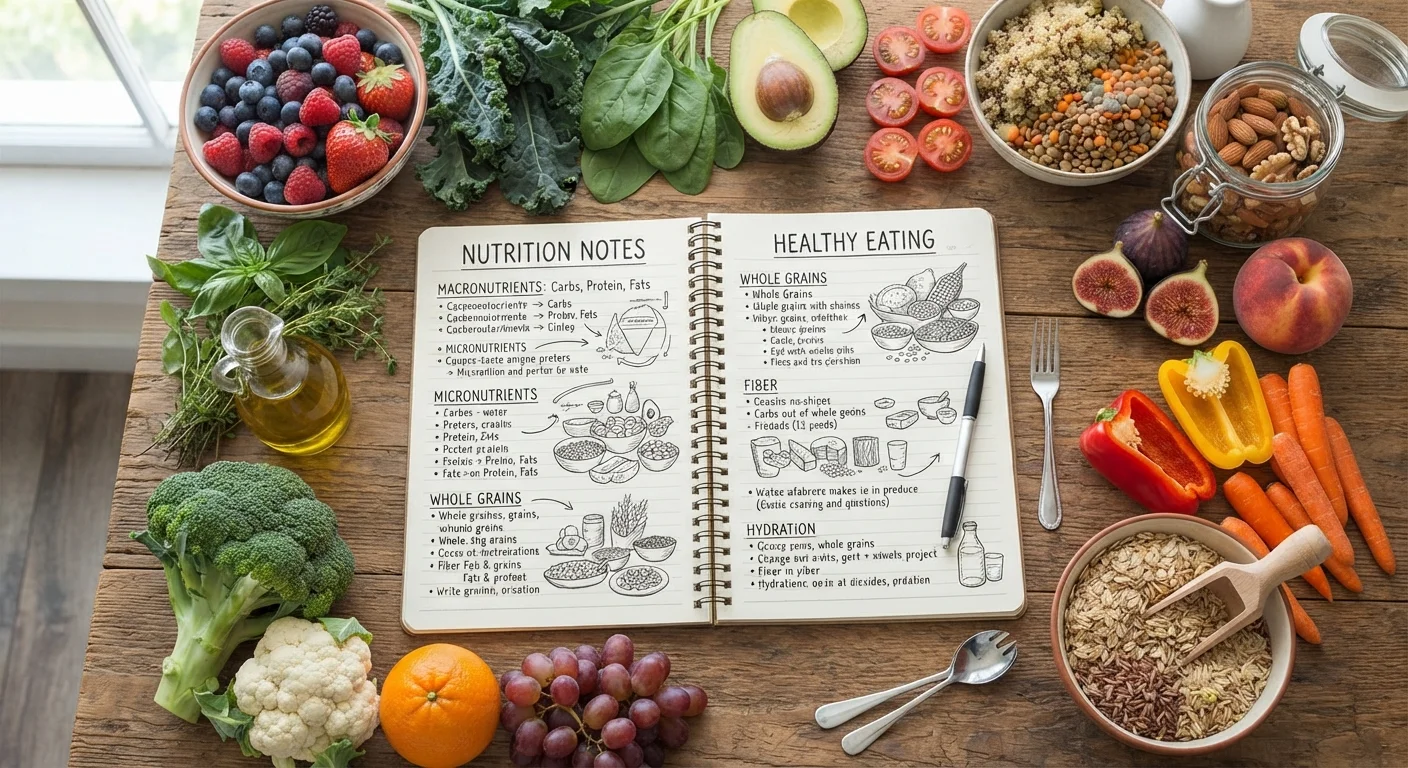
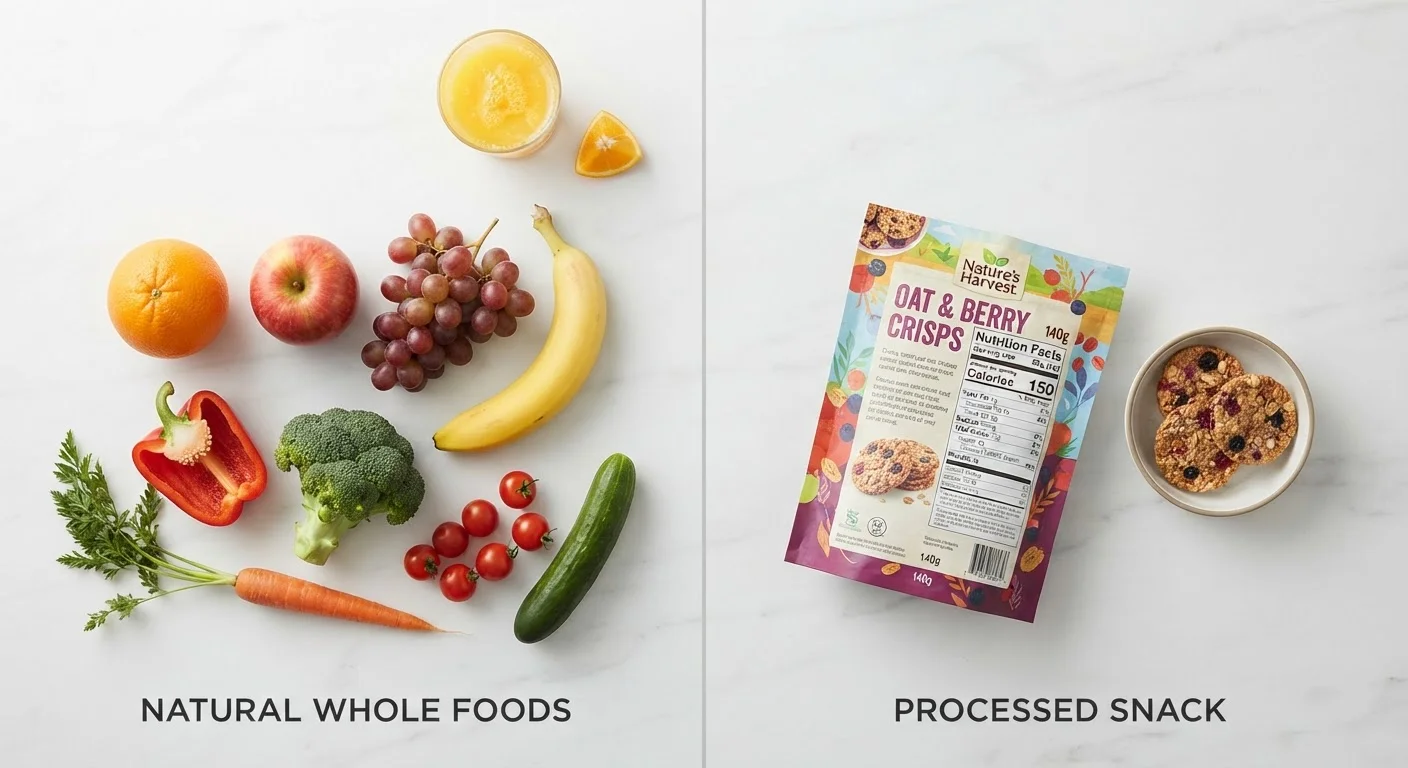
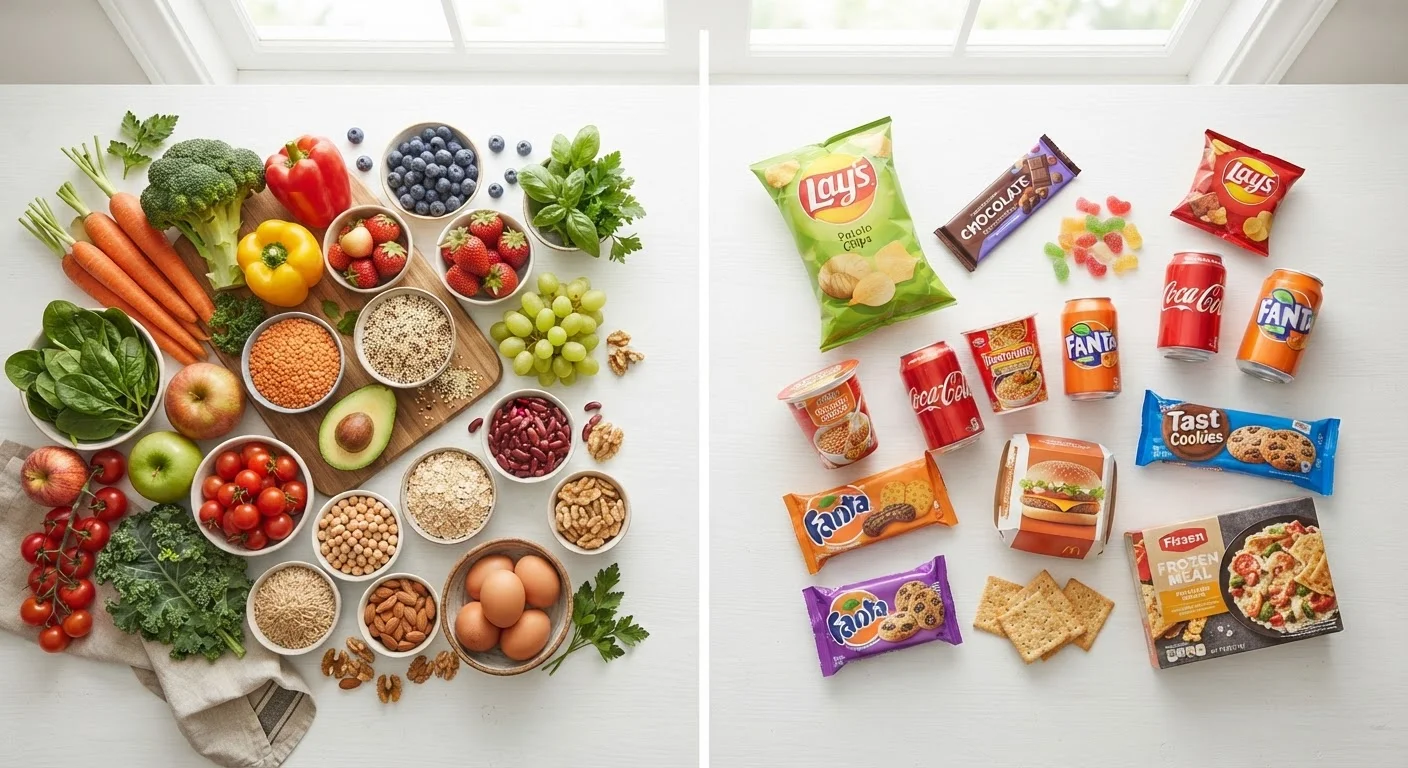
The phrase whole food refers to any food eaten in or near its natural state - think vegetables, fruits, legumes, whole grains, nuts, seeds, eggs, and unprocessed meats. The defining characteristic is minimal intervention between harvest and plate. Some processing - washing, freezing, or cooking - is entirely compatible with the whole-food category. The key is that the original nutritional structure of the food remains largely intact.
Ultra-processed foods belong to a very different category. The term was formalized through the NOVA classification system, developed by researchers at the University of São Paulo. NOVA groups foods into four categories based on the extent and purpose of processing. Ultra-processed foods (Group 4) are industrial formulations made predominantly from substances extracted from foods - such as refined oils, starches, added sugars, and protein isolates - combined with additives like emulsifiers, colorings, artificial flavors, and preservatives. Common examples include packaged snack chips, sugary breakfast cereals, flavored instant noodles, and many ready-to-eat frozen meals.
It is worth noting that not all processing is harmful. Pasteurized milk, canned tomatoes, and plain frozen vegetables are processed but remain nutritionally substantive. The NOVA framework distinguishes these from ultra-processed products, which are engineered for palatability and convenience rather than nutritional value. For a deeper look at how nutrition research categorizes these patterns, see how nutrition science handles conflicting evidence.
The NOVA System Is a Research Tool, Not a Regulatory Standard
NOVA is a widely cited academic framework used in nutrition epidemiology, but it is not an official food-labeling or regulatory standard in the United States. Different researchers and institutions may classify specific foods differently. It is best understood as a conceptual lens for evaluating diet patterns rather than a strict pass-or-fail grading system for individual foods.
Head-to-Head: Nutritional Differences That Matter
The contrast between these two food categories extends well beyond ingredient lists. Whole foods typically deliver nutrients within their natural food matrix - fiber, water, micronutrients, and beneficial plant compounds all working together. Ultra-processed foods, by contrast, are often stripped of fiber and micronutrients during refinement, then partially restored through fortification.
| Criterion | Whole Foods | Ultra-Processed Foods |
|---|---|---|
| Processing level | Minimal; close to natural state | Extensive industrial formulation |
| Fiber content | Naturally high in many varieties | Often removed during refining |
| Added sugar | Absent or naturally occurring only | Frequently added in significant amounts |
| Micronutrient profile | Naturally intact within food matrix | Often depleted; may be fortified |
| Additives & preservatives | None or minimal | Common; emulsifiers, colorings, flavors |
| Caloric density | Moderate; modulated by water and fiber | Typically higher per serving weight |
| Shelf life | Shorter; perishable | Extended via additives and packaging |
| Satiety per calorie | Generally higher due to fiber and protein | Generally lower; engineered for palatability |
One key dimension is added sugar. Ultra-processed foods account for a disproportionate share of added sugar intake in American diets, according to data published by the National Institutes of Health. This is meaningfully different from naturally occurring sugars found in whole fruit - a distinction covered in depth in our guide to added sugar vs. natural sugar. Similarly, the protein quality conversation shifts depending on what food category supplies it - whole food protein sources come packaged with fiber, healthy fats, or micronutrients that isolated protein additives in ultra-processed foods typically do not, a topic explored further in our protein sources comparison.
57%
Share of US caloric intake from ultra-processed foods
Research published in BMJ Open estimated that ultra-processed foods account for roughly 57% of energy intake among US adults.
~500 kcal
Extra daily calories consumed on ultra-processed diet
A controlled NIH clinical trial found participants eating an ultra-processed diet consumed approximately 500 more calories per day than those on an unprocessed diet.
4 groups
NOVA classification categories by processing level
The NOVA system, developed at the University of São Paulo, classifies all foods into four groups ranging from unprocessed to ultra-processed.
Practical Implications: How This Plays Out in Daily Eating
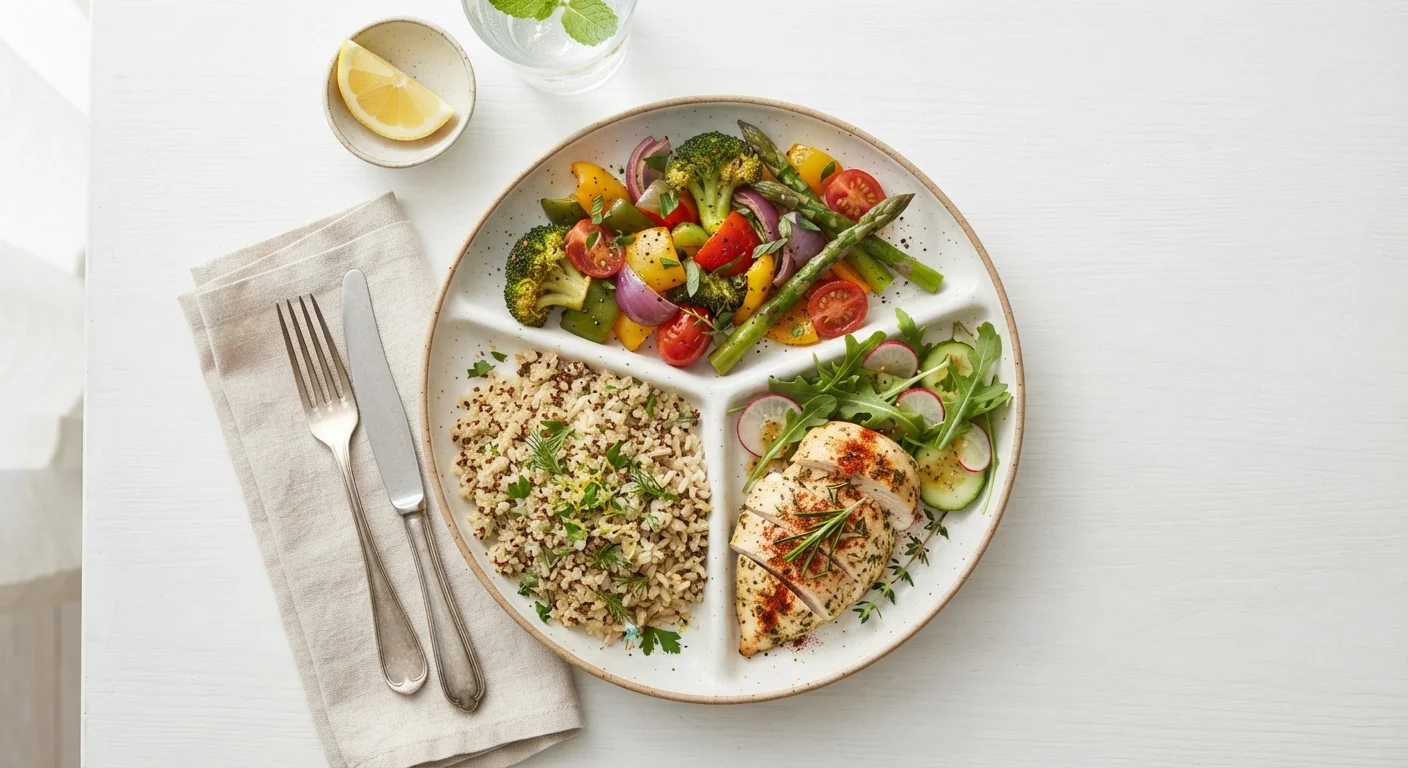
Understanding the distinction between whole foods and ultra-processed foods isn't about rigid dietary rules - it's about making more informed choices within the context of real life. A useful starting point is to evaluate meals by asking how close each ingredient is to its original, recognizable form.
Research consistently finds that populations eating diets higher in whole foods - often characterized as Mediterranean, traditional Japanese, or plant-forward eating patterns - show favorable trends across multiple health outcomes. Conversely, high ultra-processed food consumption has been associated, in observational studies, with higher caloric intake, lower dietary fiber, and reduced micronutrient variety. It is important to note that most of this evidence is observational, meaning it identifies associations rather than proving direct cause and effect.
Practically, a shift toward whole foods doesn't require wholesale dietary overhaul. Swapping refined grain products for whole grain versions, adding legumes or vegetables to existing meals, and reading ingredient labels with attention to the length and recognizability of listed components are all incremental steps consistent with general public health guidance.
This article is for general informational and educational purposes only and does not constitute medical or dietary advice. Individual nutritional needs vary significantly. Consult a qualified healthcare professional or registered dietitian before making significant changes to your diet.