Why Water Belongs in Every Nutrition Conversation
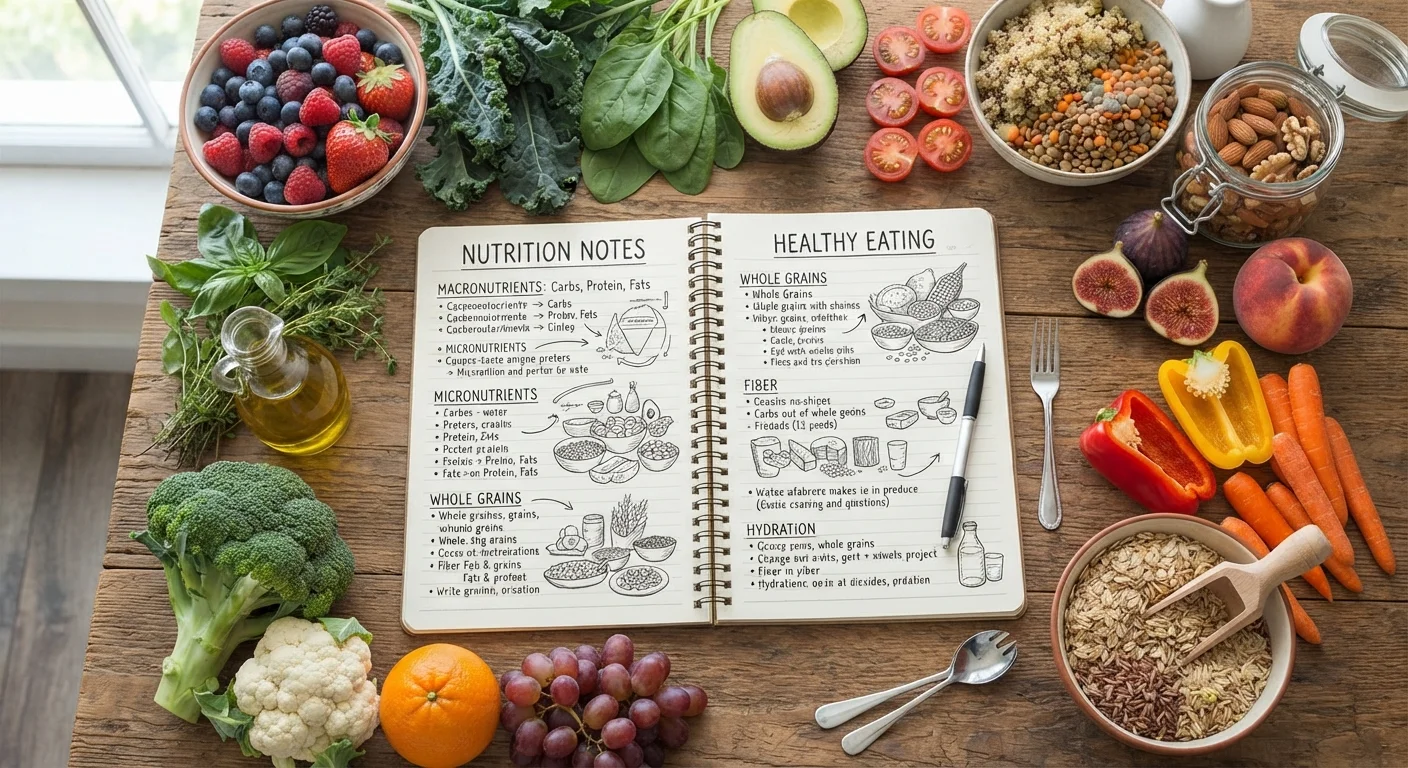
When most people think about nutrition, they picture macronutrients - protein, carbohydrates, fat - or perhaps vitamins and minerals. Water rarely gets the same attention, yet it is classified alongside those as an essential nutrient. Without adequate hydration, the body cannot effectively use the nutrients it receives from food.
Water facilitates the digestion of food, the absorption of nutrients through the intestinal lining, and the transport of those nutrients to cells throughout the body. It also helps remove metabolic waste products via the kidneys. In this sense, hydration isn't a separate topic from nutrition - it's woven into every step of how the body processes what you eat.
If you're working on building more balanced eating habits, it helps to think about water as part of the same framework as your food choices. See our guide to building a balanced plate for a fuller picture of how these elements work together.
~60%
Of adult body weight is water
According to established physiology references, water constitutes approximately 60% of total body weight in the average adult, though this varies by age, sex, and body composition.
20%
Of daily fluid from food sources
Health authorities estimate that roughly 20% of daily water intake comes from food, particularly fruits and vegetables, with the remainder from beverages.
1-2%
Body water loss before performance declines
Research suggests that a body water deficit of as little as 1-2% of body weight can begin to impair physical and cognitive performance in some individuals.
What Hydration Actually Does in the Body
Water's roles in the body are extensive. Here's a breakdown of the most nutritionally relevant functions:
- Digestion: Saliva, gastric juices, and intestinal secretions are all primarily water. These fluids break down food into components the body can absorb.
- Nutrient absorption: Water-soluble vitamins - including vitamin C and the B vitamins - depend on adequate fluid to be absorbed and transported. Learn more about how these work in our micronutrients overview.
- Metabolism: Metabolic reactions that convert food into usable energy require water as a medium. Dehydration can reduce metabolic efficiency.
- Temperature regulation: The body dissipates heat through sweat, which is largely water. This becomes especially important during physical activity.
- Joint and tissue support: Water cushions joints and maintains the integrity of tissues including cartilage and mucous membranes.
These functions explain why mild dehydration - even before thirst kicks in - can affect energy, focus, and physical performance.
Use Urine Color as a Simple Hydration Check
A practical way to gauge hydration throughout the day is to check urine color. Pale yellow typically indicates adequate fluid intake, while dark yellow or amber suggests you may need more water. This approach is more immediate than relying on thirst alone, which can lag behind actual fluid needs - particularly in older adults or during exercise.
Hydration Sources: It's Not Just About Drinking Water
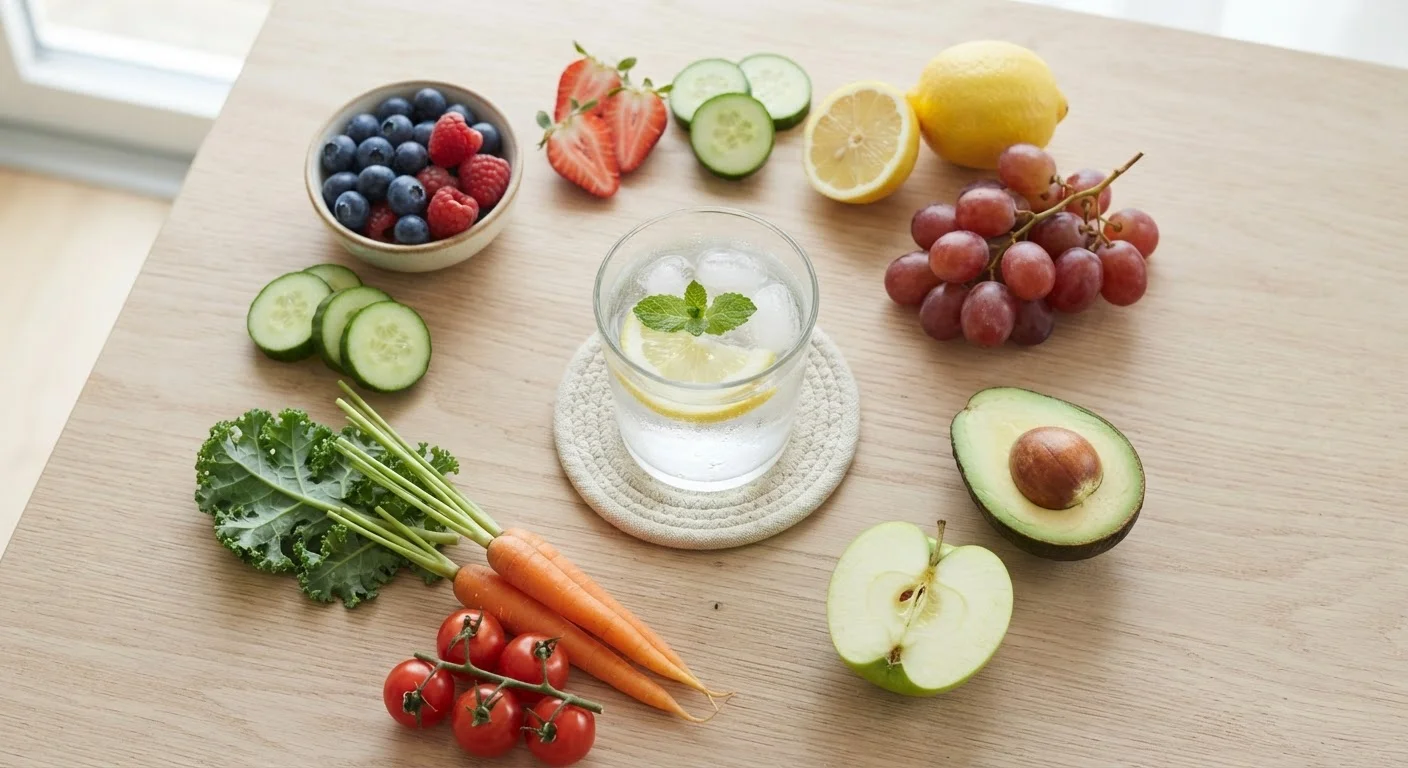
Total daily fluid intake comes from multiple sources, not just a glass of water. Beverages including herbal teas, milk, and 100% fruit juice all contribute. So does food - particularly fruits and vegetables with high water content.
Foods such as cucumbers, celery, watermelon, strawberries, and leafy greens are over 90% water by weight. Including these regularly in meals supports hydration alongside their fiber, vitamin, and mineral contributions. This is one reason why dietary fiber sources and hydration are often discussed together - many fiber-rich plant foods are also significant fluid contributors.
Caffeine-containing beverages like coffee and tea do count toward fluid totals. Research suggests moderate intake does not meaningfully impair hydration in regular consumers, though individual responses vary.
It's also worth noting that nutrition quality shapes hydration needs. High-sodium diets, for instance, increase fluid requirements, while diet quality factors beyond single nutrients influence how the body manages fluids overall.
Recognizing Hydration Needs and Building Better Habits
Thirst is useful but imperfect as a hydration cue - older adults in particular may experience reduced thirst sensation even when fluid levels are low. Urine color is a more consistent indicator: pale yellow generally reflects adequate hydration, while dark yellow or amber suggests a need for more fluid.
Practical strategies for maintaining consistent hydration include:
- Drinking a glass of water with each meal and snack
- Carrying a reusable water bottle as a visual reminder
- Increasing intake during hot weather, illness, or physical activity
- Eating water-rich fruits and vegetables regularly
Individual needs vary meaningfully. Body size, physical activity, climate, and health conditions all influence how much fluid a person requires. Anyone with specific health concerns or conditions affecting fluid balance - such as kidney disease or heart conditions - should consult a healthcare professional before making significant changes to fluid intake.
This article is for general informational purposes only and is not a substitute for personalized medical or nutritional advice. Consult a qualified healthcare professional for guidance specific to your health needs.