
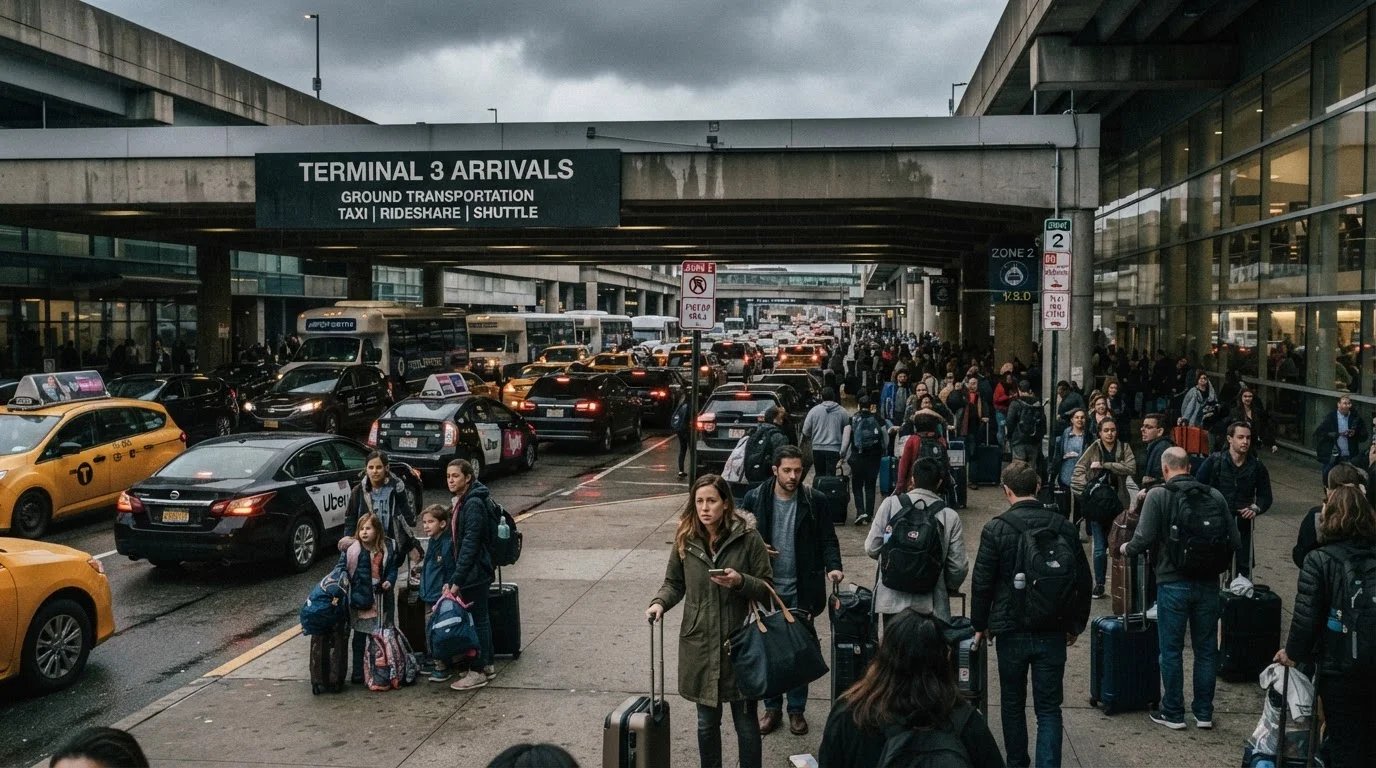
Why Ground Transportation Keeps Catching Travelers Off Guard
Flight prices are transparent and competitive. Hotels list nightly rates in search results. Ground transportation, by contrast, is fragmented - spread across rental counters, apps, transit systems, and shuttle operators that don't talk to each other. That fragmentation is precisely why it's so easy to underestimate.
Most travelers allocate a rough mental number for "getting around" without doing the same line-item math they applied to airfare. The result shows up on the credit card statement after the trip. As our coverage of post-trip budget overruns documents, transportation is one of the most consistent culprits.
~30%
Of travelers who exceeded their trip budget
Transportation overruns - including ground transport - are among the most commonly cited causes of post-trip budget blowouts, according to multiple travel spending surveys.
2-3x
Rideshare surge multiplier at peak airport windows
Demand-based pricing during high-traffic arrival periods routinely doubles or triples the base fare on major rideshare platforms.
$25-$60+
Average daily parking cost in dense US cities
Parking fees at urban hotels and downtown garages in cities like New York, San Francisco, and Chicago frequently fall in this range, per publicly listed rates.
The fix isn't complicated - it requires treating ground transportation as a first-class planning task rather than a last-minute logistic.
The Mistakes That Cost Travelers the Most
Across all four major transport modes - rental cars, rideshares, shuttles, and public transit - the same errors appear repeatedly. Each one is avoidable with a modest amount of advance research.
Treating ground transportation as an afterthought until the moment of arrival.
Why it happens: Flights and hotels dominate the early planning headspace, so surface transportation gets deferred until it feels urgent - which is exactly the wrong moment to make a cost-effective decision.
Assuming rideshares are always the flexible, affordable option.
Why it happens: Rideshare apps feel familiar and low-commitment, which creates an impression of value - but base fares, surge pricing, airport fees, and tip expectations accumulate quickly across multiple rides over several days.
Renting a car in a city where parking and traffic make it impractical.
Why it happens: Travelers accustomed to driving everywhere default to a rental without evaluating whether the destination's infrastructure supports it - dense urban cores, limited parking, and congestion pricing can turn a rental into a burden.
Overlooking shuttle and shared-van services as a viable middle option.
Why it happens: Shuttles aren't as visible in app stores as rideshares, and travelers often don't know to look for them - particularly hotel shuttles, regional coach lines, or fixed-route airport transfers that run on predictable schedules.
Not accounting for transit accessibility gaps at the destination.
Why it happens: Travelers research whether public transit exists but not whether it serves their specific hotel, resort area, or planned attractions - schedules, service hours, and coverage vary enormously between US metro areas.
Ignoring the cost of parking when a rental car is part of the plan.
Why it happens: Daily rental rates are quoted prominently; daily parking rates at hotels, attractions, and airports are not - and they can add $25-$60 or more per day in major cities.
Rental Car Add-Ons Can Double the Base Rate
The daily rate advertised online often excludes collision damage waivers, liability supplements, fuel purchase options, and airport concession recovery fees - charges that are disclosed at the counter, not at booking. Before accepting or declining these, verify what your personal auto insurance and credit card already cover. Travelers who skip this check frequently pay for duplicate protection.
For travelers comparing destinations where internal transport costs vary significantly, the real cost of an "affordable" destination often hinges on exactly these variables. A city with cheap lodging but expensive or sparse transport can easily exceed the total cost of a more expensive-seeming alternative.
The broader pattern - that popular cost-saving assumptions often fail in practice - is also examined in our piece on cheap travel myths that inflate rather than reduce spending.
Airport Surge Pricing Is Predictable - Plan for It
Rideshare fares at major airports routinely spike 2-3x during peak arrival windows, especially early mornings, Friday evenings, and holiday travel days. This is structural, not random. If your flight lands during a high-demand period and you haven't pre-arranged transportation, you're likely paying the surge price whether you realize it or not. Factor this into your budget before you land, not after.