Why a Written Plan Outperforms Good Intentions
Carrying debt without a structured plan means paying minimums indefinitely - often for far longer than necessary. Interest compounds daily on most revolving accounts, so inaction is not neutral; it is costly. A written plan converts an abstract problem into a sequence of concrete actions.
The approach here is deliberately straightforward: inventory what you owe, find money in your budget to accelerate payoff, protect yourself with a small cash cushion, and then follow a proven sequencing method until each balance reaches zero. The math behind which debts to tackle first - and how it interacts with any savings goals you have - is explored in more depth in the debt-first vs. savings-first dilemma.
This Is Education, Not Personalized Advice
The steps below reflect widely accepted personal finance principles and are intended as general educational guidance only. They are not a substitute for advice tailored to your specific financial situation. For decisions involving significant debt, taxes, or legal obligations, consult a licensed financial professional.
Before you begin, gather your account statements. Having accurate numbers in front of you is more important than having a perfect plan.
What you will need
Follow These Steps to Build Your Plan
List Every Debt You Owe
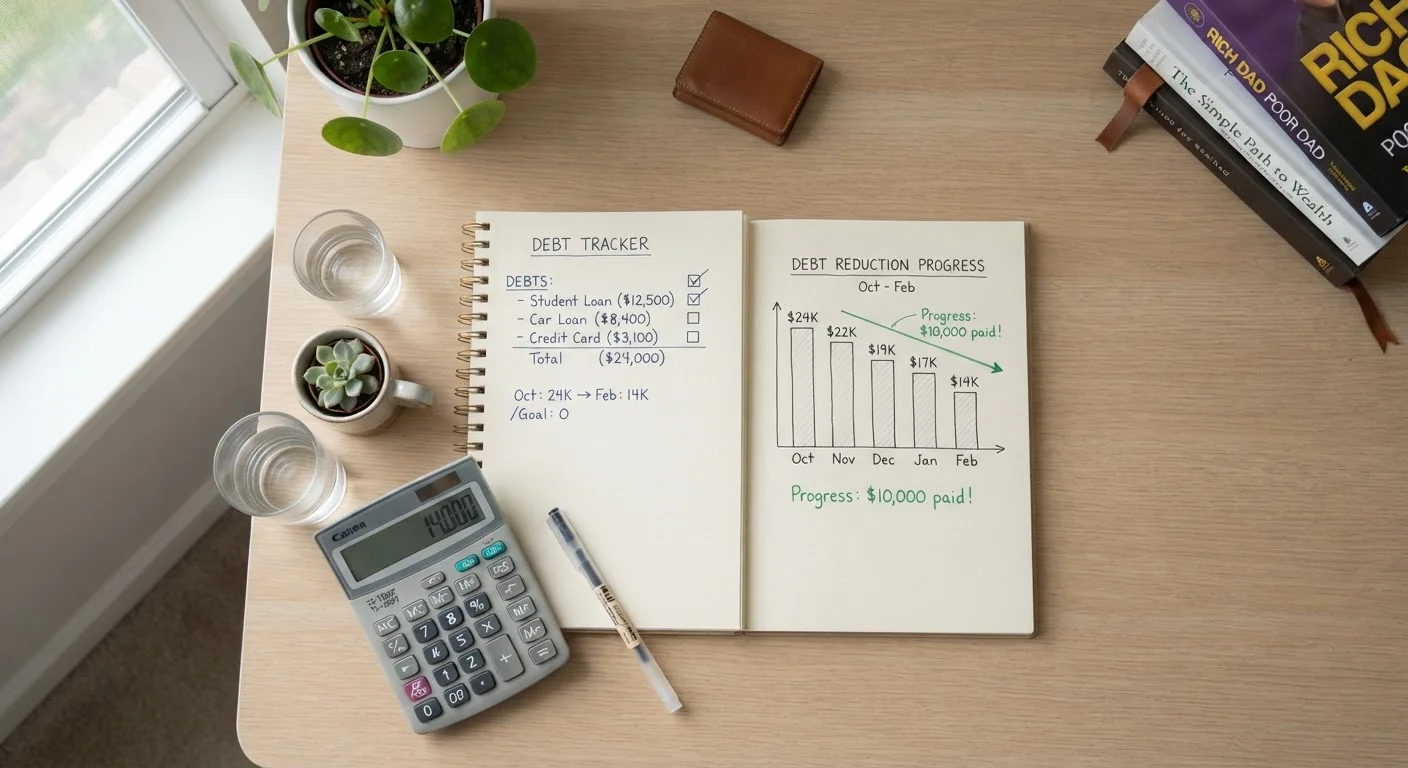
Create a simple table - on paper, in a spreadsheet, or in a budgeting app - with one row per debt. Record the following for each:
- Creditor name (e.g., credit union, federal loan servicer)
- Current balance
- Annual percentage rate (APR) - the true annual cost of carrying that balance
- Minimum monthly payment
- Due date
Including every account - even small ones - gives you an honest picture of your total liability. Many people are surprised by how the numbers add up once everything is in one place.
Calculate Your Debt-Repayment Budget
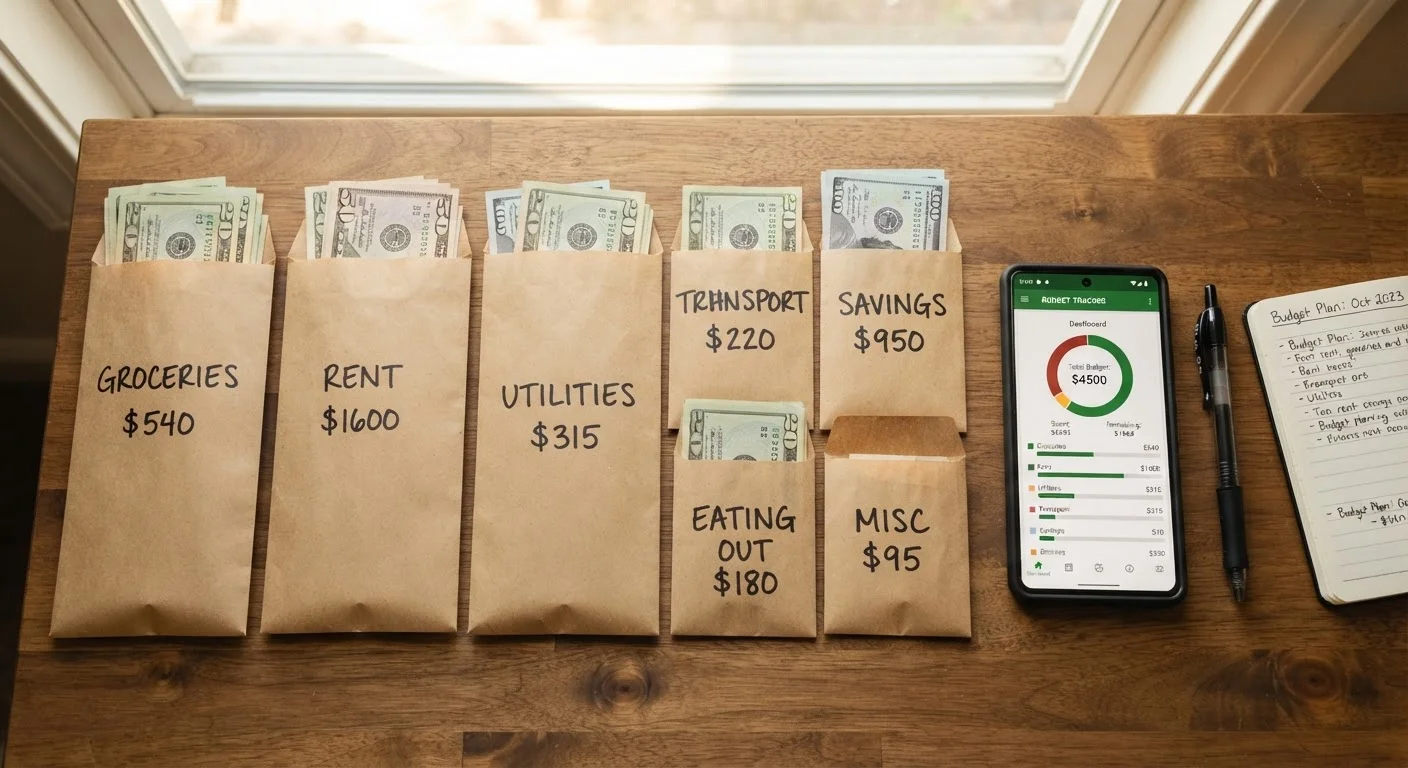
Subtract your essential monthly expenses (housing, utilities, groceries, insurance, transportation) and minimum debt payments from your monthly take-home income. The remainder - after a small discretionary buffer - is the amount available for extra debt repayment each month.
Even a modest surplus of $50-$100 per month applied consistently can meaningfully shorten your payoff timeline and reduce the total interest you pay.
Set Aside a Starter Emergency Fund
Before directing extra money at debt, establish a small liquid reserve - typically $500 to $1,000 - held in a checking or savings account you can access quickly. This buffer prevents a car repair or medical copay from forcing you onto a credit card and undoing your progress.
This is not a full emergency fund (which conventionally covers three to six months of expenses); that larger goal comes later. The starter amount simply breaks the debt-borrowing cycle.
Choose a Payoff Strategy
Two methods dominate personal finance guidance, and both work - the right choice depends on your psychology and goals:
- Avalanche method: Direct extra payments to the debt with the highest APR first. Mathematically, this minimizes total interest paid over time.
- Snowball method: Pay off the smallest balance first regardless of rate. Each eliminated account delivers a motivational win that helps sustain momentum.
Whichever method you select, continue paying the minimum on every other account while concentrating extra funds on your target debt. For a deeper comparison of both approaches, see the avalanche and snowball methods explained.
Automate Payments and Set Up Tracking
Schedule automatic payments for at least the minimum due on every account to avoid late fees and protect your credit score. Then schedule your extra payoff payment to arrive shortly after your paycheck clears.
Choose a simple tracking method you will actually use - a spreadsheet updated monthly, a free budgeting app, or even a notebook. Record each payment and the new balance after it posts.
Review and Adjust Monthly
Once a month, compare your actual balances against your projections. Ask yourself:
- Did every payment post correctly?
- Did my surplus change (income increase, new expense, windfall)?
- Is my current target debt still the right priority under my chosen strategy?
Life circumstances shift, and your plan should too. If you receive a bonus, tax refund, or pay raise, consider directing a portion toward your target debt to accelerate payoff. For a structured annual check-in, the year-end financial review guide offers a useful framework.
Don't Skip the Emergency Fund Step
Sending every spare dollar to debt repayment without any liquid savings can backfire. If an unexpected expense arises, you may be forced to take on new high-interest debt - erasing recent progress. Even a modest cushion of $500-$1,000 provides meaningful protection before you accelerate payoff.
Automate to Remove Willpower from the Equation
Scheduling automatic payments for at least the minimum due on every account prevents late fees and credit score damage. Once your budget is set, consider automating your extra payment too. See how scheduled transfers support debt payoff for a practical setup guide.
Use the tools below to support each stage of the process.
Spreadsheet (e.g., Google Sheets or Excel)
Track all debt balances, rates, payments, and monthly progress in one organized place.
Free budgeting or debt-tracking app
Provides automated balance imports and payoff projections to simplify monthly tracking.
AnnualCreditReport.com
Verify that your debt list is complete by reviewing your official credit report for free.
Online loan payoff calculator
Estimate how long payoff will take and how much interest you will pay under different extra-payment scenarios.
This article is for general informational and educational purposes only and does not constitute personalized financial, legal, or tax advice. Consult a qualified financial professional before making decisions based on your individual circumstances.