How Each Card Type Works
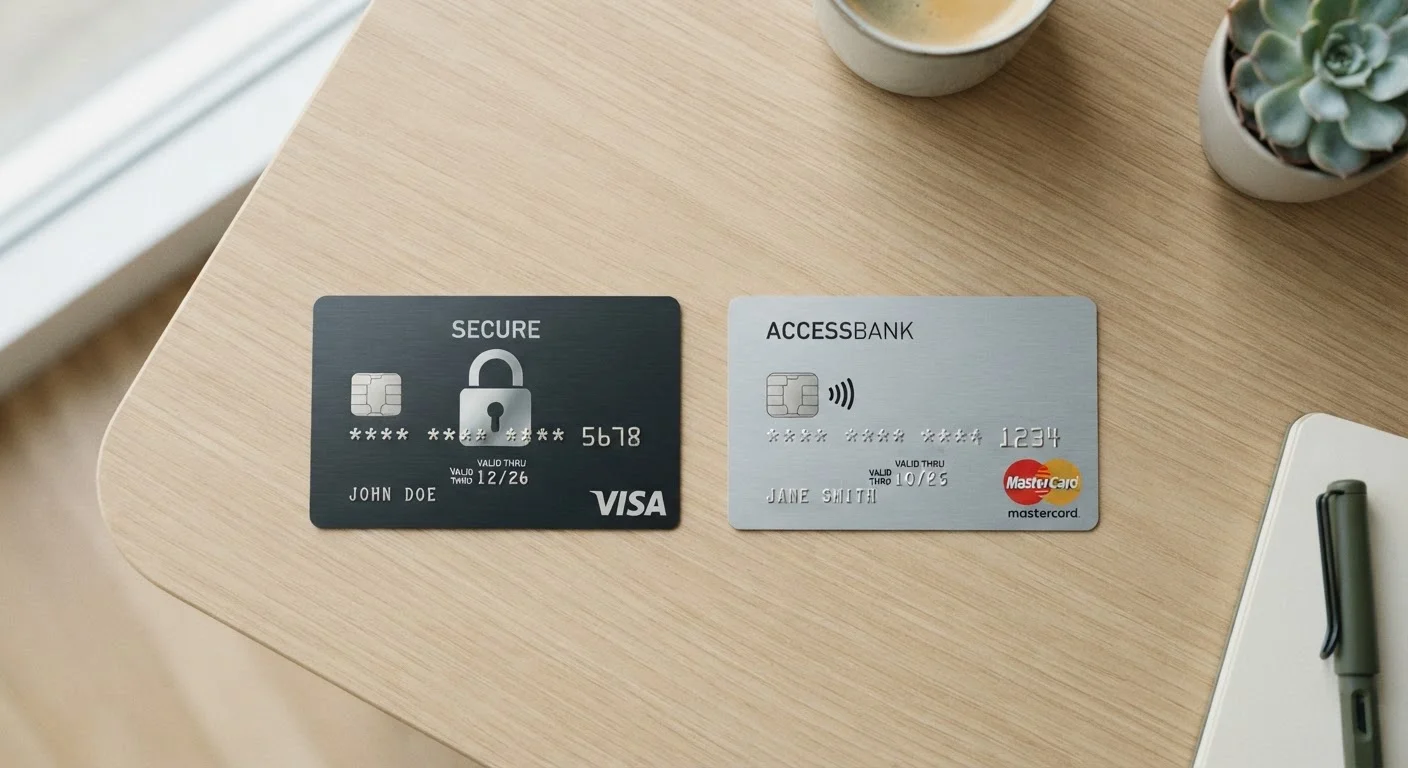
The fundamental difference between a secured and an unsecured credit card comes down to one word: collateral. A secured credit card requires you to make a refundable cash deposit - typically ranging from $200 to $500, though amounts vary by issuer - before you can use the card. That deposit is held by the lender and usually equals your initial credit limit. If you stop making payments, the lender can use the deposit to cover the outstanding balance.
An unsecured credit card requires no deposit. Instead, the issuer evaluates your credit score, income, and credit history to determine whether to approve you and what credit limit to extend. This is the format most consumers picture when they think of a standard credit card.
Importantly, both card types function the same way in day-to-day use: you make purchases, receive a monthly statement, and owe at least a minimum payment by the due date. Both types also report your payment activity to the three major credit bureaus - Equifax, Experian, and TransUnion - which means responsible use of either card can help you build or maintain a positive credit history. For a broader look at how credit scores and cards connect, see our starter's guide to credit and borrowing.
| Criterion | Secured Credit Card | Unsecured Credit Card |
|---|---|---|
| Collateral required | Yes - refundable cash deposit | No deposit required |
| Typical credit limit | Equal to deposit amount | Based on creditworthiness |
| Approval requirements | More flexible; poor/no credit accepted | Requires fair to excellent credit |
| Typical APR | Often higher than average | Varies widely by credit tier |
| Fees | Annual and maintenance fees common | Varies; many have no annual fee |
| Credit bureau reporting | Yes - all three major bureaus | Yes - all three major bureaus |
| Rewards programs | Rarely offered | Common on mid- to premium cards |
| Upgrade path | May graduate to unsecured card | Not applicable |
Costs, Fees, and Approval Considerations
Because secured cards are designed for applicants with limited or damaged credit, lenders price them accordingly. Annual fees, account maintenance fees, and higher annual percentage rates (APRs) are more common on secured cards than on standard unsecured products. Always review the fee schedule carefully before applying - some secured cards charge fees that meaningfully reduce your available credit before you even make a purchase.
Unsecured cards span a wide range of terms. Entry-level products for fair credit may carry elevated APRs, while cards available to consumers with strong credit histories often come with lower rates, no annual fees, and rewards programs. That said, carrying a balance on any credit card - secured or unsecured - triggers interest charges, so paying your statement in full each month remains the most cost-effective habit regardless of which card type you hold.
Your Deposit Is Typically FDIC-Protected
When you open a secured credit card, the issuing bank generally holds your deposit in a dedicated account that is insured by the Federal Deposit Insurance Corporation (FDIC) up to applicable limits. This means your deposit is protected if the bank were to fail. However, it also means you cannot access those funds while the account is open - treat it as money set aside, not available spending cash.
Approval criteria also differ significantly. Secured card applications generally have more flexible credit requirements because the deposit mitigates lender risk. Unsecured cards typically require at least fair credit, and premium products require good to excellent credit. If you have recently been denied for a credit product, our article on why credit applications get denied and what to do next outlines actionable steps to strengthen your next application.
Choosing the Right Card for Your Situation
The right card type depends primarily on where you are in your credit journey. If you are starting from scratch - perhaps you are a young adult or a newcomer to the US - or if past financial difficulties have left your credit score in poor shape, a secured card offers a concrete path forward. Committing to on-time payments and keeping your balance low relative to your credit limit (a concept called credit utilization) are the two behaviors most closely tied to score improvement.
If your credit is already in reasonable shape and you do not want to lock up cash as a deposit, an unsecured card is the practical choice. You can compare how credit cards stack up against other borrowing tools - such as personal loans - in our guide to personal loans vs. credit cards.
One important note: many secured cards offer a graduation path. After a defined period of responsible use - often 12 to 24 months - issuers may convert your account to an unsecured card and return your deposit. Ask about this feature when evaluating secured card options. And if you want a comprehensive reference covering the full range of borrowing products available to US consumers, the Credit, Debt, and Borrowing consumer reference is a useful starting point.
This article is for general informational and educational purposes only and does not constitute personalised financial or credit advice. Credit card terms, fees, and approval criteria vary by issuer and your individual financial profile. Consult a licensed financial adviser or credit counsellor for guidance specific to your situation.