
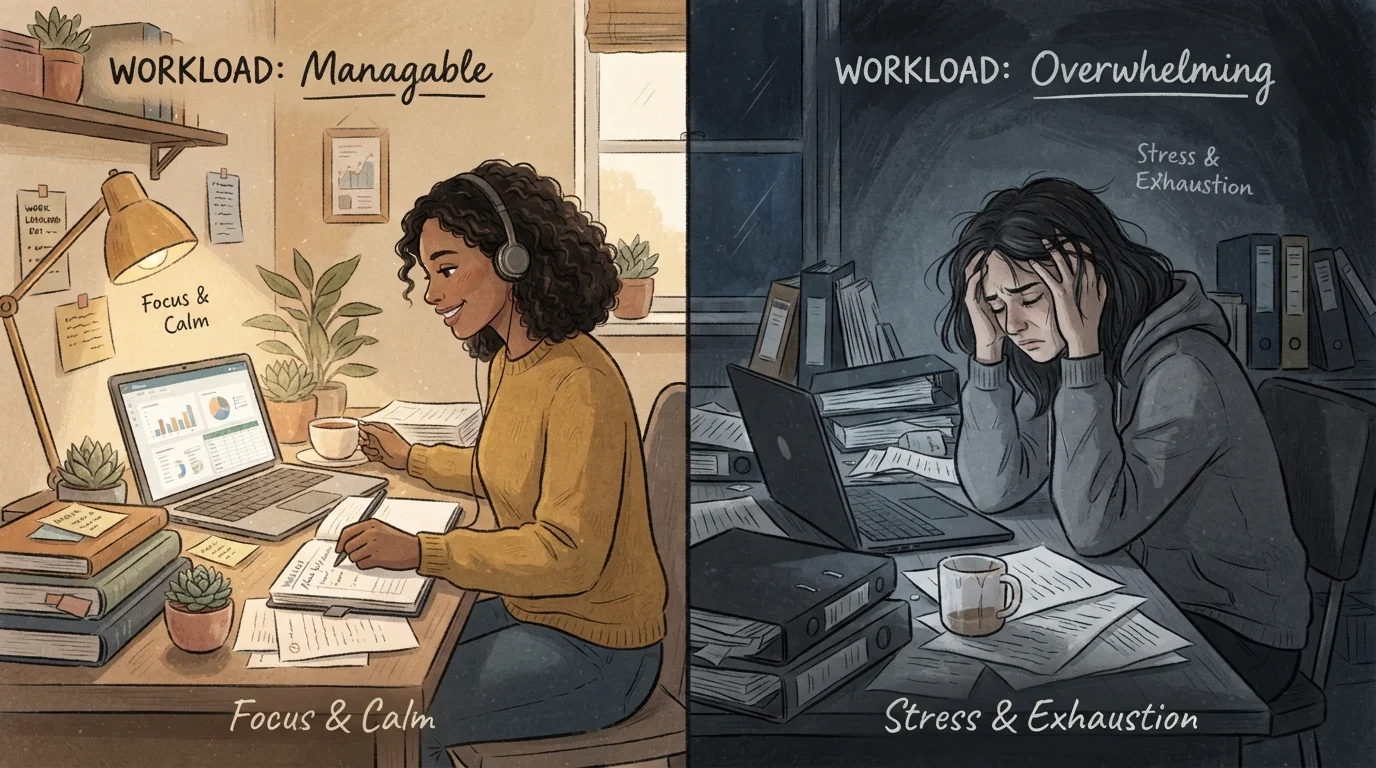
What Each Type of Stress Actually Is
Stress is the body's response to perceived demands or threats. When you face a tight deadline or a difficult conversation, your nervous system activates a cascade of hormones - including adrenaline and cortisol - that sharpen focus, increase heart rate, and prepare you for action. This is acute stress: a short-term, purposeful response that generally subsides once the situation resolves.
Chronic stress occurs when this activation persists. Instead of cycling through tension and recovery, the body remains in a state of prolonged alertness. This can happen when stressors don't go away - financial instability, caregiving demands, relationship conflict, or a high-pressure work environment - or when the nervous system has difficulty returning to a calm baseline even after triggers pass.
The biological mechanisms are similar in both cases, but duration and intensity change their effect significantly. Think of it as the difference between sprinting to catch a bus and running a marathon every day without training for it.
| Criterion | Everyday (Acute) Stress | Chronic Stress |
|---|---|---|
| Duration | Hours to a few days | Weeks, months, or longer |
| Trigger | Specific, identifiable event | Ongoing or multiple overlapping demands |
| Recovery | Returns to calm after trigger resolves | Baseline calm is absent or hard to reach |
| Physical symptoms | Temporary (racing heart, tension) | Persistent (fatigue, headaches, disrupted sleep) |
| Cortisol pattern | Short spike, then normalizes | Elevated over extended periods |
| Typical management | Rest, problem-solving, routine coping | Often requires structured support or professional guidance |
How to Tell Them Apart
The clearest distinction is recovery. After an acutely stressful event, most people notice their tension ease - breathing slows, muscles relax, and sleep returns to normal. With chronic stress, that recovery window shrinks or disappears entirely.
Common indicators that stress has moved into chronic territory include:
- Persistent fatigue that sleep doesn't seem to fix
- Difficulty concentrating or making routine decisions
- Increased irritability or emotional reactivity over an extended period
- Recurring physical symptoms such as headaches, digestive discomfort, or muscle tension
- A sense of being "always on" or unable to fully relax
None of these symptoms on their own confirm chronic stress - many have other explanations. But a pattern of several symptoms lasting weeks or longer, particularly in the context of ongoing life pressures, is worth discussing with a healthcare professional.
77%
Adults reporting physical symptoms of stress
According to the American Psychological Association's Stress in America surveys, a large majority of US adults regularly experience physical symptoms they attribute to stress.
3 in 10
Adults saying stress is completely overwhelming most days
APA Stress in America research has consistently found that a significant proportion of adults describe their stress as beyond their ability to manage on a given day.
It's also worth noting that the two types can overlap. A person managing a long-term stressor may still experience acute spikes during particularly demanding moments. The key is whether there's a meaningful baseline of calm to return to.
Why the Distinction Shapes Your Response
Treating acute and chronic stress identically can lead to strategies that don't address what's actually happening. Taking a walk or practicing deep breathing after a stressful meeting is appropriate and effective. Relying on the same tools exclusively while chronic stress accumulates may delay recognizing that more support is needed.
Research in stress biology suggests that prolonged cortisol elevation is associated with effects on immune function, cardiovascular health, sleep architecture, and mood regulation. This doesn't mean chronic stress inevitably causes specific health conditions - individual variation is significant - but it does underscore why duration matters beyond how an experience feels in the moment.
For readers who suspect their stress has become chronic, the most grounded starting point is honest self-assessment followed by professional input. A general practitioner or mental health professional can help identify whether stress is driving symptoms and what evidence-supported approaches - whether behavioral, therapeutic, or otherwise - might be appropriate for that individual. Some coping habits that feel helpful in the short term may also be worth examining: explore how common coping responses can sometimes reinforce stress over time.
This article is for general informational purposes only and is not a substitute for professional medical or mental health advice. If you are experiencing persistent symptoms or are concerned about your stress levels, please consult a qualified healthcare professional.