Why Hidden Travel Costs Are So Easy to Miss
The sticker price of a trip - the advertised flight fare and hotel nightly rate - rarely reflects what you'll actually spend. Booking platforms are designed to surface competitive headline numbers, while mandatory fees, taxes, and surcharges appear later in the checkout process or not at all until you check in. This structural gap between advertised price and real cost is the root cause of most travel budget overruns.
The problem compounds because travelers tend to plan in broad categories (flights, hotels, food) while overlooking a long tail of smaller costs that accumulate quickly: airport transfers, checked bags, resort fees, entry taxes, tipping, and the exchange rate friction on every foreign-currency purchase. Individually, each item feels minor. Together, they can add 25%-40% to a trip's true cost.
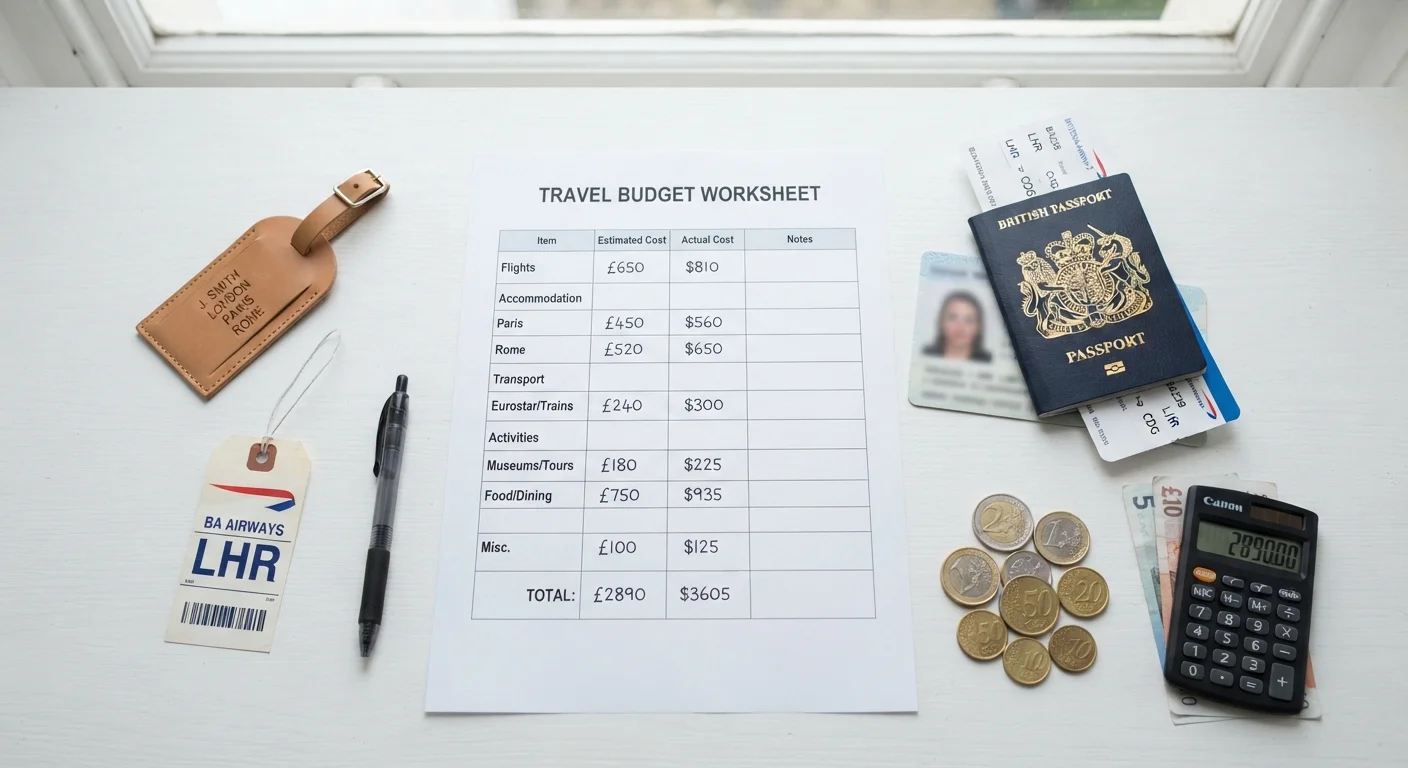
The good news is that nearly all of these costs are foreseeable with a little advance research. The standard travel budget categories provide a useful starting checklist. The mistakes below are where most travelers leave money on the table.
Advertised Prices Rarely Reflect Total Cost
Hotel booking platforms, airline fare displays, and vacation package listings are legally allowed to show pre-tax, pre-fee pricing in many contexts. The final checkout total - including resort fees, taxes, and surcharges - can run 20% to 40% higher than the headline figure. Always click through to the full payment summary before comparing options or committing to a booking.
The Most Common Budgeting Mistakes - and How to Correct Them
Each of the following errors is predictable, which means each is preventable. Understanding why these omissions happen is the first step toward building a budget that holds up when you actually travel.
Budgeting only for the advertised hotel rate without accounting for resort fees, city taxes, and destination charges.
Why it happens: Booking platforms often display base room rates prominently and disclose mandatory fees only at checkout or in fine print, making the base price feel like the full price.
Forgetting to budget for airline baggage fees, seat-selection charges, and in-flight purchases.
Why it happens: Travelers focus on the base fare during comparison shopping and treat ancillary fees as optional, even when they're practically unavoidable for a comfortable trip.
Underestimating the cost of getting between the airport and your accommodations.
Why it happens: Ground transportation feels like a small detail next to flights and hotels, so it often gets a rough mental estimate rather than real research.
Ignoring tipping norms at the destination and either over-tipping or getting caught short of cash.
Why it happens: US travelers accustomed to domestic tipping conventions may not realize that expectations vary sharply by country - from legally included service charges in some European countries to non-existent tipping culture in parts of Asia.
Overlooking entry fees, visa costs, and mandatory traveler taxes for international destinations.
Why it happens: These costs are not part of any flight or hotel booking flow, so they don't surface naturally during the planning process and are easy to miss entirely until arrival.
Failing to set aside a buffer for unexpected expenses like illness, delays, or itinerary changes.
Why it happens: Travelers who plan to a tight budget treat the total as fixed, leaving no room for the unpredictable costs that almost every trip encounters.
$35-$65
Typical nightly resort fee range at US hotels
Resort fees are charged separately from the room rate and are not always disclosed prominently during the booking process.
$30-$70
Round-trip checked baggage cost per person on major US carriers
Fees vary by airline, fare class, and loyalty status; budget carriers often charge more and may also fee for carry-ons.
Currency-related costs deserve special attention for international trips. Foreign transaction fees on card purchases, ATM withdrawal fees, and unfavorable exchange rates at airport kiosks are among the most consistent budget leaks that travelers report. For a deeper look at how international travel budgeting differs structurally from domestic planning, see domestic vs. international travel budgeting.
Foreign Transaction Fees Add Up Fast
Many standard US debit and credit cards charge 1% to 3% on every purchase made in a foreign currency. On a two-week international trip with moderate daily spending, that can amount to $50-$150 or more in fees alone. Check your card's terms before departing and consider whether a no-foreign-transaction-fee card is appropriate for your situation - consult your financial institution for guidance.
If you find that your budget still feels tighter than expected even after accounting for these items, it's worth revisiting how you're defining value in the first place. Our piece on common myths about cheap travel explains why some popular money-saving strategies don't hold up in practice - and what more realistic cost-management looks like.
Once your trip begins, the work isn't finished. Tracking spending in real time helps you catch overruns before they become a problem, rather than discovering the damage after you return home.